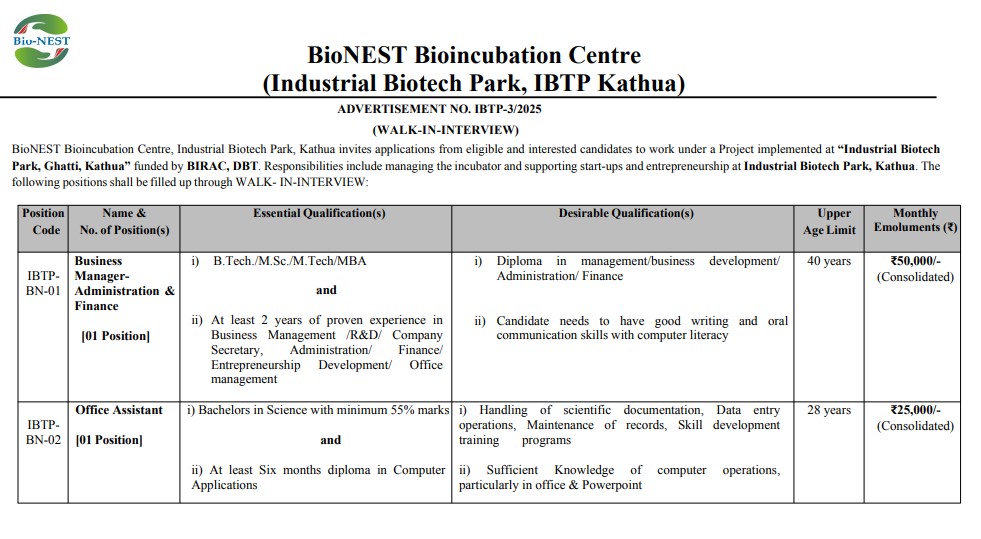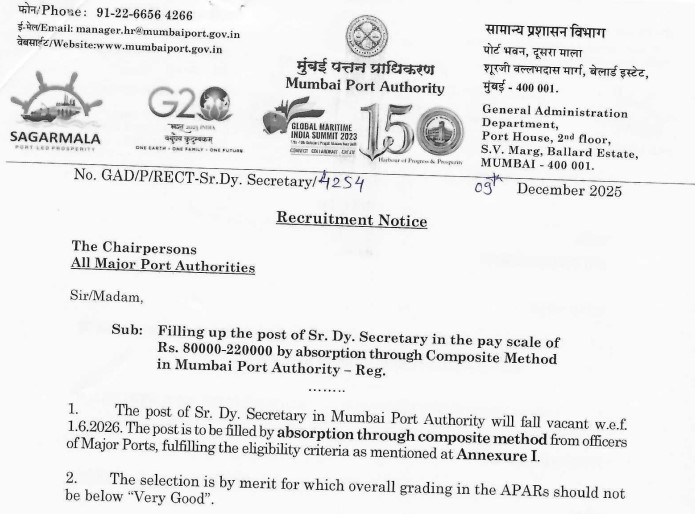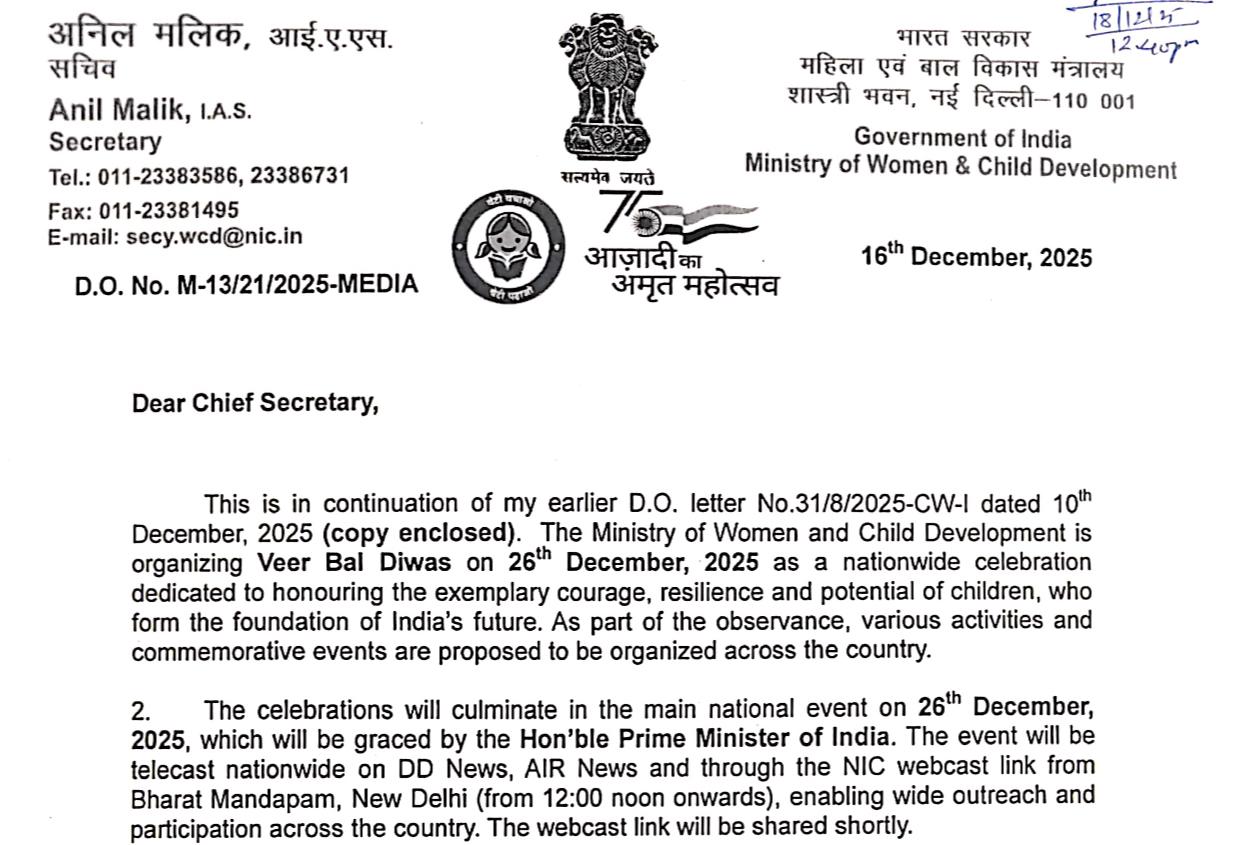
School teachers across Maharashtra are raising serious concerns over what they describe as an unmanageable digital workload imposed through mandatory mobile applications. Teachers’ organisations have warned the state government that they may collectively opt for a temporary “digital disconnect” if the pressure of constant data entry through official apps is not reduced. The warning comes at a time when new applications are being rolled out, adding to the already heavy administrative burden on educators.
I am writing about this issue because it highlights a growing gap between policy intent and classroom reality. While digital tools were meant to simplify administration and improve monitoring, many teachers say the opposite has happened. Instead of focusing on teaching and student engagement, they are spending long hours filling forms, uploading data, and meeting app-based deadlines. This situation affects not just teachers, but also the quality of education students receive.
Why Teachers Are Threatening a ‘Digital Disconnect’
Teachers’ unions argue that the number of mandatory apps has increased steadily over the past few years. Each app requires separate logins, frequent updates, and repeated data entry, often for similar information. Many teachers say they are expected to complete this work after school hours, using personal mobile phones and internet connections.
The proposed “digital disconnect” is being seen as a form of protest to draw attention to the issue without disrupting classroom teaching directly. Teachers have clarified that the move would be temporary and focused only on non-essential digital reporting.
Growing Digital Workload in Maharashtra Schools
Educators point out that apart from teaching duties, they are now required to manage:
- Daily attendance and student records on apps
- Mid-day meal and nutrition-related data
- Infrastructure and survey-related entries
- Academic progress and assessment uploads
- Various time-bound reports demanded at short notice
Teachers say that every new app is introduced with good intentions, but without removing older systems, leading to duplication of work.
What Teachers’ Organisations Are Demanding
Teachers’ associations have placed a few clear demands before the Maharashtra State Government. These include:
- Reducing the number of mandatory apps
- Integrating data into a single, unified platform
- Limiting data entry to school hours only
- Consulting teachers before launching new digital tools
They argue that teachers are educators, not data operators, and their primary responsibility should remain classroom teaching.
Impact on Teaching and Learning
Many teachers say the excessive focus on digital compliance is affecting lesson planning, student interaction, and remedial teaching. When teachers are mentally exhausted by administrative tasks, classroom effectiveness naturally suffers. Parents, too, have begun expressing concern that teachers are being pulled away from their core role.
In rural and semi-urban areas, poor internet connectivity further complicates the issue, leading to stress and repeated follow-ups from authorities.
Government’s Stand and Possible Way Forward
While the government maintains that digital platforms help improve transparency and monitoring, teachers insist that implementation needs urgent review. Education experts suggest that technology should support teachers, not overwhelm them. Streamlining apps, reducing repetitive data entry, and providing proper technical support could ease the situation significantly.
Dialogue between the government and teachers’ organisations is now being seen as crucial to prevent escalation.