JOIN WHATSAPP
STORIES

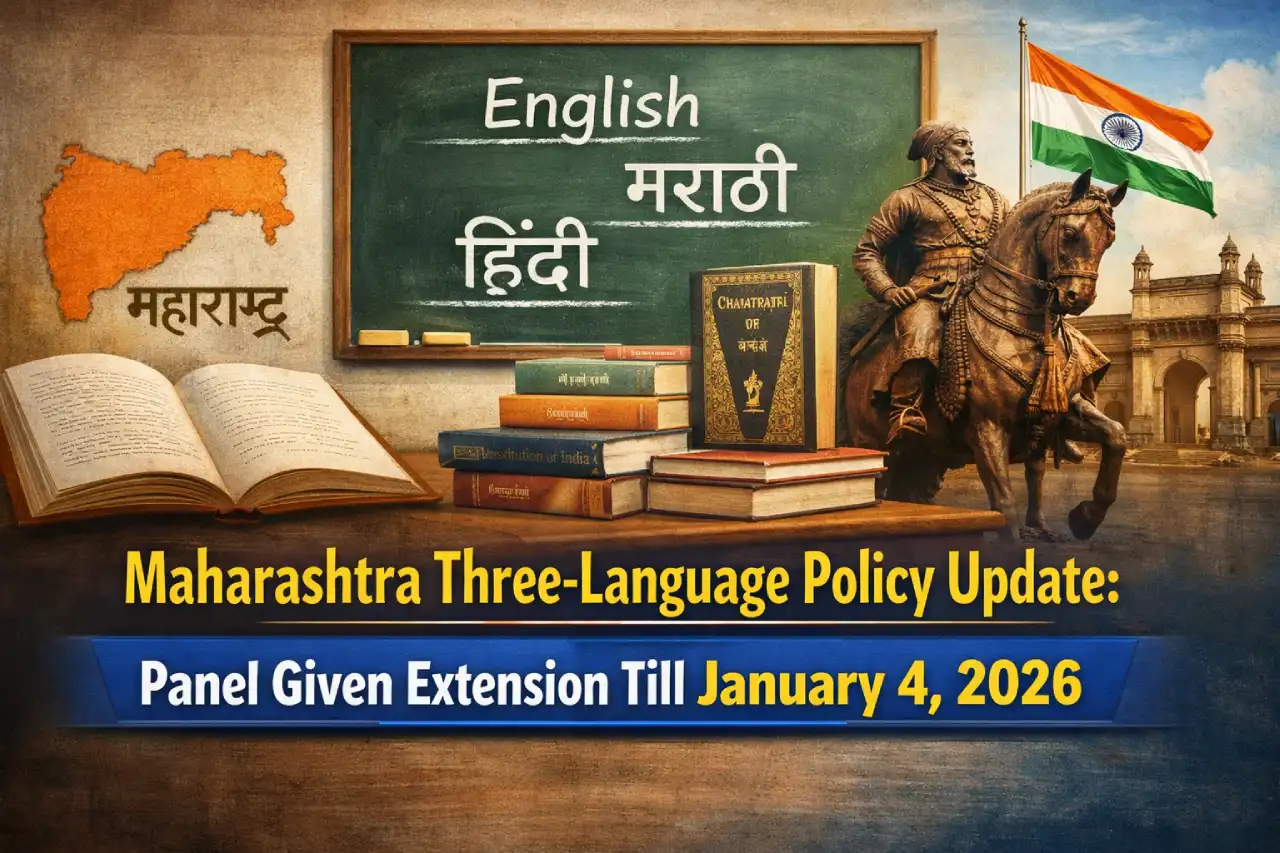
Maharashtra Three-Language Policy Update: Panel Given Extension Till January 4, 2026

Maharashtra Three-Language Policy Update: Panel Given Extension Till January 4, 2026

The Maharashtra government has decided to finalise the state’s three-language policy in the new year, after granting a one-month extension to the expert committee reviewing the framework. The panel, headed by renowned economist and educationist Dr Narendra Jadhav, has now been asked to submit its final recommendations by 4 January 2026.

I am writing about this development because the three-language policy is not just an academic issue; it directly affects students, parents, teachers, and schools across Maharashtra. Language has always been a sensitive and emotional subject in the state, closely linked with identity, culture, and access to education. Over the past few months, the policy has triggered debates and concerns, especially around implementation and the role of regional languages. The extension indicates that the government wants the committee to take more time, consider diverse opinions, and avoid rushing a decision that could have long-term consequences for the school education system.

Why the Committee Was Given an Extension

According to officials, the committee required additional time to study representations received from educationists, parents’ groups, language experts, and other stakeholders. The state government noted that the report should be comprehensive and balanced, keeping in mind Maharashtra’s linguistic diversity and educational priorities.

Granting an extension suggests that the government is open to deeper consultation rather than pushing through a quick policy decision.

Who Is Heading the Three-language Policy Committee

The committee is chaired by Dr Narendra Jadhav, a former Rajya Sabha member and a respected voice on education and public policy. His leadership has been seen as an attempt to lend credibility and academic depth to the process.

The panel includes experts from education, administration, and language studies to ensure that multiple perspectives are represented.

What the Three-language Policy Is About

The three-language policy broadly refers to the framework under which students are expected to learn three languages during their school education. While the idea is not new, its implementation often raises questions around:

  • Choice of languages
  • Burden on students
  • Role of the mother tongue and regional language
  • Availability of trained teachers

In Maharashtra, the policy has sparked debate due to concerns about preserving Marathi while also offering flexibility.

Reactions from the Education Community

Teachers’ associations and parent groups have welcomed the extension, saying it allows more time for meaningful dialogue. Some educationists have argued that language learning should focus on comprehension and communication rather than compulsion.

Others have stressed that any policy must be practical for schools with limited resources.

What Happens Next

The committee is now expected to submit its final recommendations by January 4, 2026. Once the report is submitted, the state government will review it and decide on the final shape of the three-language policy.

Any changes or implementation plans are likely to be announced after the new year.

Why This Decision Matters

Language policy decisions influence curriculum design, teacher recruitment, textbook preparation, and student learning outcomes. A rushed or poorly planned policy can create confusion at the school level.

Taking extra time increases the chances of a smoother rollout and wider acceptance.
Leave a Comment

End of Article

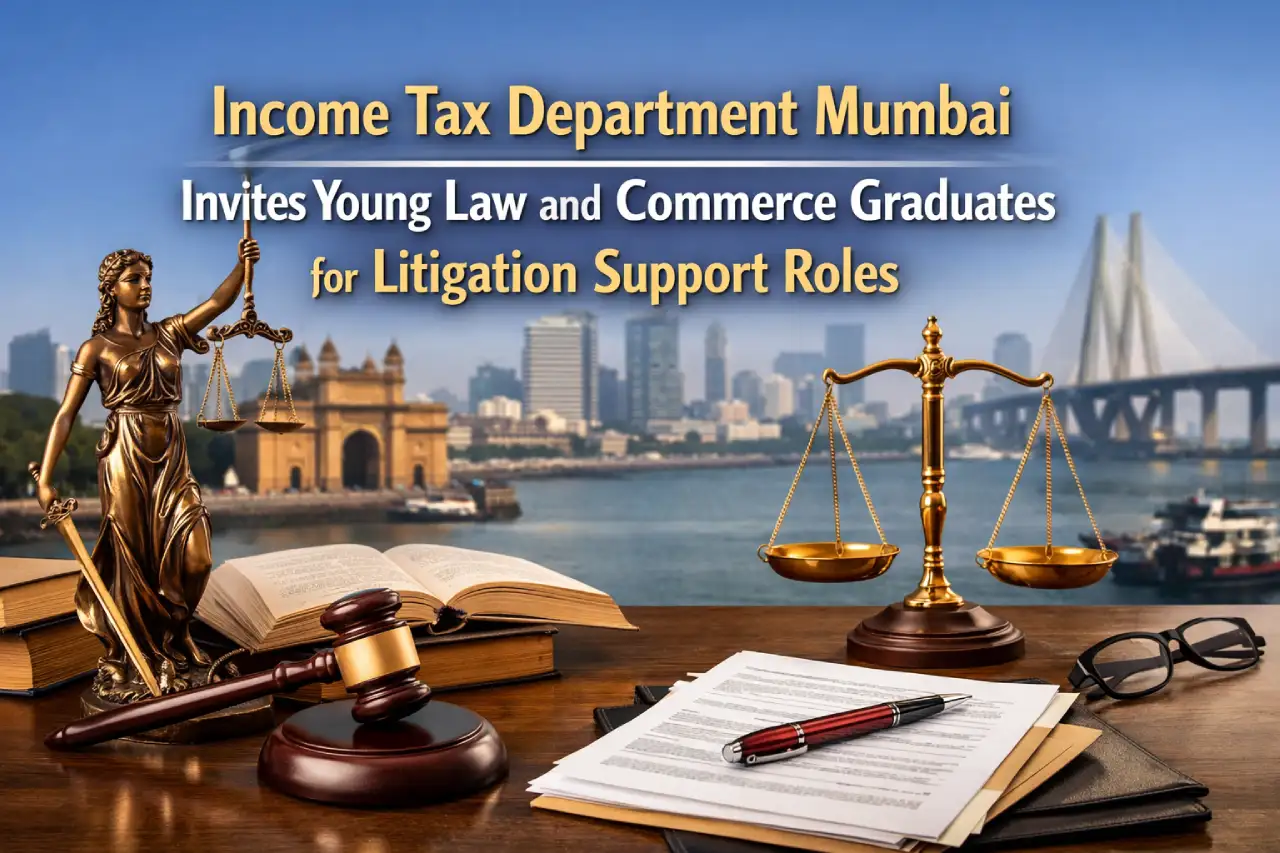
Income Tax Department Mumbai Invites Young Law and Commerce Graduates for Litigation Support Roles

Income Tax Department Mumbai Invites Young Law and Commerce Graduates for Litigation Support Roles

The Income Tax Department, Mumbai, has opened applications for young professionals to join its Young Professional Scheme and assist with litigation-related work. The engagement will be managed through the Office of the Principal Chief Commissioner of Income Tax at Aayakar Bhawan, Maharshi Karve Road, Mumbai.

The initiative is aimed at building a skilled pool of Law and Accountancy graduates who can support departmental officers in handling cases admitted before various Tribunals. Selected candidates will also be involved in legal analysis, financial research, and case preparation, offering them valuable exposure to real-world taxation and litigation processes.

I am writing about this opportunity because it opens a valuable door for young graduates who want real-world exposure in tax litigation and government legal processes. Many law and commerce graduates look for meaningful roles where they can apply their academic knowledge while gaining hands-on experience. This engagement not only strengthens professional skills but also offers insight into how major tax cases are researched, structured, and argued within the government system.

About the Young Professional Scheme

The Young Professional Scheme is designed to engage bright and motivated graduates who have strong domain knowledge in Law or Accountancy. These young professionals will work closely with officers of the Income Tax Department and contribute to litigation preparation and research.

The scheme focuses on knowledge-based support rather than routine clerical work, making it a learning-rich opportunity.

Nature of Work and Responsibilities

Selected Young Professionals will assist departmental officers in multiple areas related to litigation and research. Their responsibilities are expected to include:

  • Assisting in preparation of cases admitted for hearing in Tribunals
  • Conducting legal and financial research
  • Studying case laws, judgments, and statutory provisions
  • Supporting officers in drafting and documentation work

This role offers direct exposure to high-level tax litigation matters.

Who Can Apply

The opportunity is primarily meant for:

  • Young graduates in Law
  • Young graduates in Accountancy or related commerce fields

Applicants are expected to have sound subject knowledge, good analytical skills, and the ability to understand complex legal and financial matters. Prior exposure to taxation or legal research may be an added advantage.

Why This Opportunity Matters

For young professionals, working with the Income Tax Department offers a unique chance to understand government litigation from the inside. It helps build strong fundamentals in tax law, case analysis, and legal research, which are valuable for long-term careers in law, accounting, policy, or corporate taxation.

The experience can significantly strengthen a candidate’s professional profile.

Location and Work Environment

The engagement will be based at the Office of the Principal Chief Commissioner of Income Tax in Mumbai. Young Professionals will work in a structured government setup and interact with experienced officers handling important litigation matters.

This environment provides both discipline and learning exposure.

Leave a Comment

End of Article

Loading more posts...