JOIN WHATSAPP
STORIES

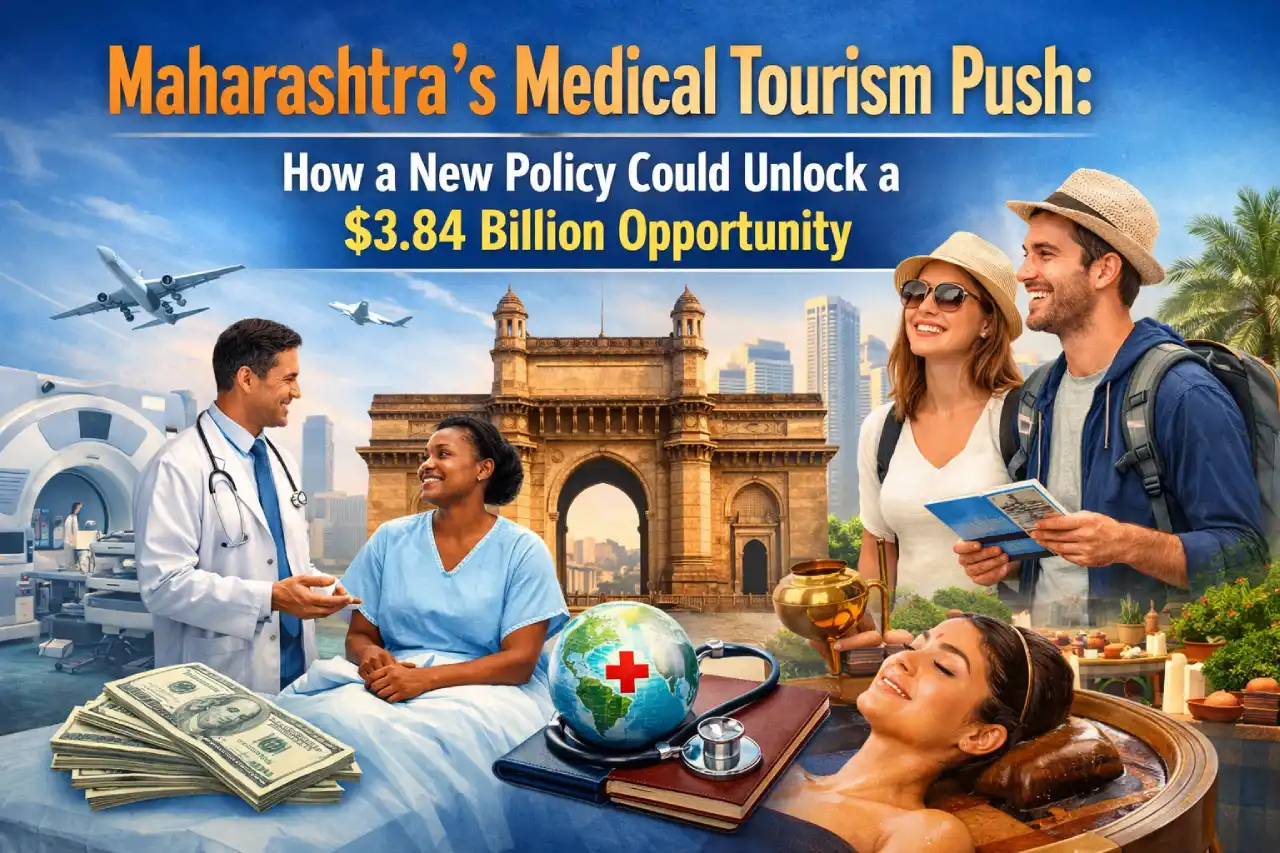
Maharashtra’s Medical Tourism Push: How a New Policy Could Unlock a $3.84 Billion Opportunity

Maharashtra’s Medical Tourism Push: How a New Policy Could Unlock a $3.84 Billion Opportunity

Maharashtra is positioning itself as a major hub for medical value travel, with the state government estimating a potential opportunity worth $3.84 billion through a dedicated policy push. The proposed medical value travel policy aims to attract international patients seeking quality yet affordable healthcare, while also strengthening allied sectors such as hospitality, transport, and wellness services. With its strong network of private hospitals, skilled doctors, and improving infrastructure, the state believes it is well placed to compete globally in this fast-growing segment.

I am writing about this development because medical value travel is no longer a niche concept. For many states and countries, it has become a serious economic driver. Maharashtra’s move signals a shift towards seeing healthcare not only as a public service but also as a growth engine that can generate jobs, foreign exchange, and global visibility. Understanding this policy helps readers see how healthcare, tourism, and economic planning are now closely linked.

What Is Medical Value Travel and Why It Matters

Medical value travel refers to patients travelling across borders for treatment that is cost-effective, timely, and delivered by qualified professionals. Maharashtra already attracts patients for complex procedures such as cardiac surgery, oncology care, orthopaedics, and organ transplants.

Key reasons the sector matters:

  • Treatment costs in India are significantly lower than in many Western countries
  • Hospitals offer internationally recognised standards of care
  • English-speaking medical staff make communication easier
  • Shorter waiting periods compared to several developed nations

By formalising this sector through a policy, the state hopes to streamline processes and improve patient experience.

What the Proposed Policy Focuses On

The medical value travel policy is expected to create a structured ecosystem rather than leaving hospitals to operate independently. The idea is to position Maharashtra as a single, trusted destination for global patients.

The policy is likely to focus on:

  • Single-window facilitation for international patients
  • Coordination between hospitals, hotels, and travel providers
  • Branding Maharashtra as a medical and wellness destination
  • Encouraging investment in world-class healthcare infrastructure
  • Improving last-mile services such as visas, accommodation, and transport

This integrated approach is crucial if the state wants to compete with established global medical tourism hubs.

Economic Impact and Job Creation Potential

The estimated $3.84 billion opportunity is not limited to hospitals alone. A successful medical value travel ecosystem supports multiple sectors.

Expected benefits include:

  • Direct employment in hospitals and diagnostic centres
  • Indirect jobs in hospitality, travel, logistics, and translation services
  • Increased foreign exchange earnings
  • Boost to tier-2 cities where healthcare facilities are expanding

This makes the policy relevant not just for healthcare professionals but also for the wider economy.

Challenges That Need Attention

While the opportunity is large, execution will be key. Issues such as infrastructure gaps, coordination between departments, and patient safety standards must be addressed carefully. Ensuring ethical practices and protecting the interests of domestic patients will also be important to maintain balance.
Leave a Comment

End of Article

Delhi Schools Likely to Reopen Offline After Christmas as Pollution Curbs Ease

Delhi Schools Likely to Reopen Offline After Christmas as Pollution Curbs Ease

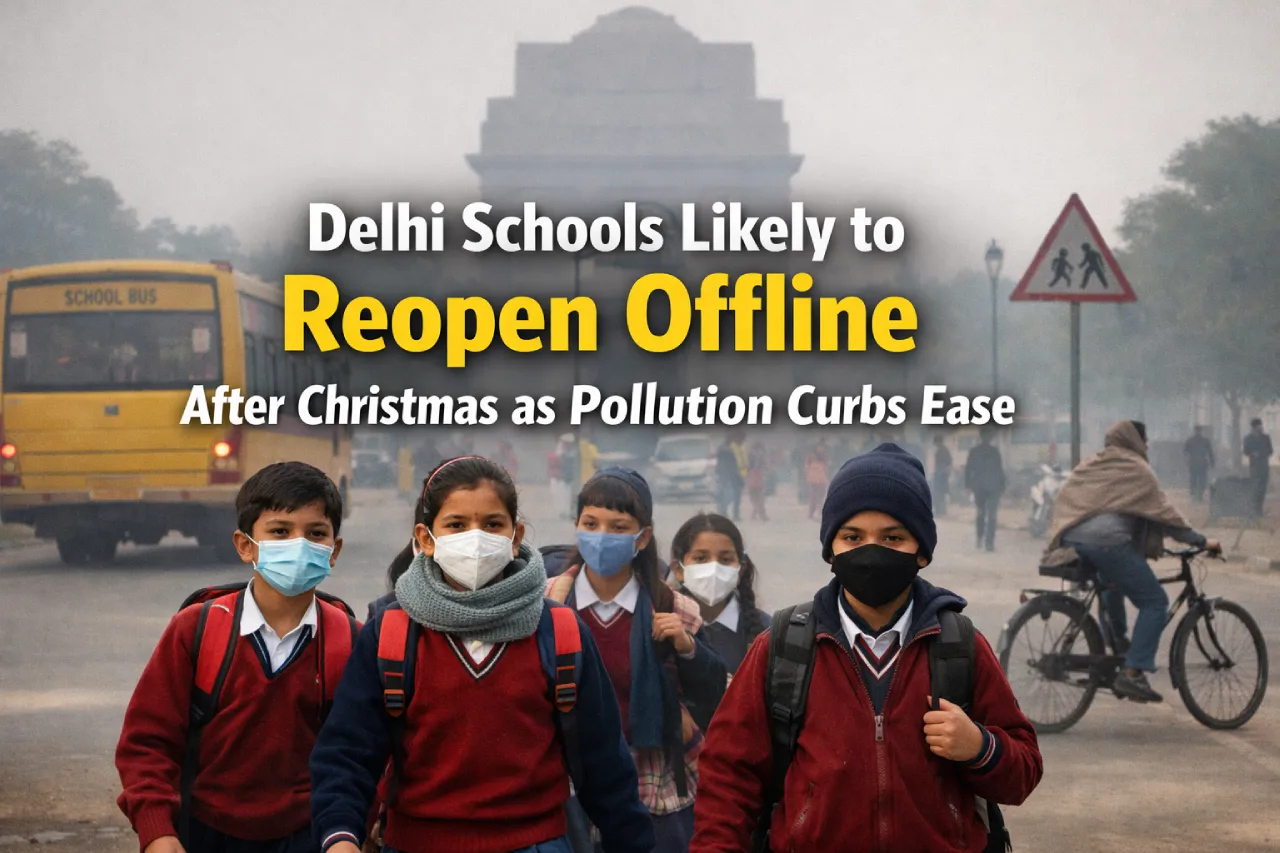
Delhi schools may soon return to physical classes after the Christmas break, following a major decision on air pollution restrictions in the national capital. The possibility of reopening comes after the Commission for Air Quality Management revoked the strict GRAP 4 curbs, which had earlier forced schools to shift to online mode. With pollution levels showing improvement, the Directorate of Education has now issued fresh guidelines for schools to plan the next steps.

I am writing about this development because frequent switches between online and offline classes have created confusion for students, parents, and teachers alike. Clear updates from authorities help families prepare for routines, transport, and academic schedules. For students especially, returning to classrooms means better interaction, structured learning, and a sense of normalcy after weeks of uncertainty.

Why Delhi Schools Were Closed Earlier

Schools in Delhi were asked to suspend physical classes after the implementation of GRAP 4 restrictions due to severe air pollution levels. These curbs were imposed to reduce emissions and protect public health, especially children, who are among the most vulnerable to poor air quality.

Under GRAP 4, several activities were restricted, and schools were advised to shift to online classes as a precautionary measure.

GRAP 4 Curbs Revoked: What Changed

The decision to revoke GRAP 4 was taken by the Commission for Air Quality Management after reviewing recent air quality data. Authorities noted that pollution levels had improved enough to relax the strictest measures, though monitoring will continue.

This rollback has opened the door for schools to consider resuming offline classes, subject to further instructions.

DoE’s New Guidelines for Schools

Following the easing of pollution curbs, the Directorate of Education Delhi has issued updated guidelines to schools. While a final confirmation on reopening dates is awaited, schools have been asked to stay prepared for a return to physical classes after the Christmas holidays.

Schools have also been advised to remain flexible and ensure that students’ health and safety remain a priority.

What Parents and Students Should Expect

As of now, schools are likely to resume physical classes after Christmas, provided air quality remains within acceptable limits. Parents should keep an eye on official notices from schools and the DoE, as decisions may vary slightly depending on local conditions.

Students may be asked to follow basic precautions, especially during morning hours, when pollution levels can fluctuate.

Health and Safety Remain Key

Even with the lifting of GRAP 4, authorities have stressed that schools must remain alert. Measures such as avoiding outdoor activities during high pollution hours and ensuring proper ventilation in classrooms may continue.

Parents are also encouraged to take precautions for children with respiratory issues.

Leave a Comment

End of Article

Loading more posts...