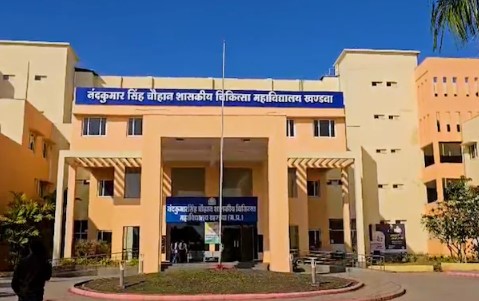
Madhya Pradesh’s medical education system is once again facing serious questions, this time over the state of paramedical courses. After years of controversy around medical admissions and the nursing education scam, a fresh crisis has surfaced at Khandwa Government Medical College. Students enrolled in the Bachelor of Medical Laboratory Technology (BMLT) programme allege that examinations for the 2021 batch have still not been conducted, leaving their academic future stuck in limbo.
I am writing about this issue because it shows how repeated failures in regulation and governance are directly affecting students’ lives. For many of these students, a paramedical degree is not just a qualification but a pathway to stable employment in hospitals and diagnostic centres. When exams are delayed for years, careers are put on hold, families face financial stress, and trust in the public education system erodes further. This is no longer an isolated complaint but part of a worrying pattern that deserves closer attention.
A familiar pattern of crises in medical education
Madhya Pradesh has struggled to put its medical education house in order for more than a decade. The Vyapam scam exposed large-scale manipulation in entrance exams, shaking confidence in the admission process itself. More recently, the nursing education scam revealed how private and even government-linked institutions were operating without proper infrastructure, faculty, or oversight.
Now, paramedical education appears to be the latest casualty. Unlike doctors or nurses, paramedical professionals often receive less public attention, even though they are essential to healthcare delivery. Delays and mismanagement in their education quietly disrupt an already stretched health system.
What BMLT students at Khandwa are alleging
Students of the 2021 BMLT batch at Khandwa Government Medical College claim that despite completing their coursework, their examinations have not been held. As a result, they have been unable to progress academically or apply for jobs that require a completed degree or even provisional certification.
Several students say they have made repeated representations to college authorities and the state medical education department, but with little clarity on when exams will be conducted. Some have already crossed the usual duration of the course, making them anxious about age limits, job eligibility, and future studies.
Why delayed exams hurt more than just students
When exams are postponed indefinitely, the damage goes beyond individual batches. Hospitals and labs face shortages of trained technicians, while students lose precious working years. For a state that frequently talks about strengthening public healthcare, such lapses weaken the system from within.
There is also a credibility issue. Repeated scandals create the impression that reforms are reactive, not preventive, and that accountability only follows public outrage or media attention.
What needs to change
At the very least, authorities need to publish clear timelines for pending examinations and ensure that paramedical courses receive the same regulatory seriousness as MBBS and nursing programmes. Transparent communication, strict monitoring, and time-bound academic calendars are no longer optional.