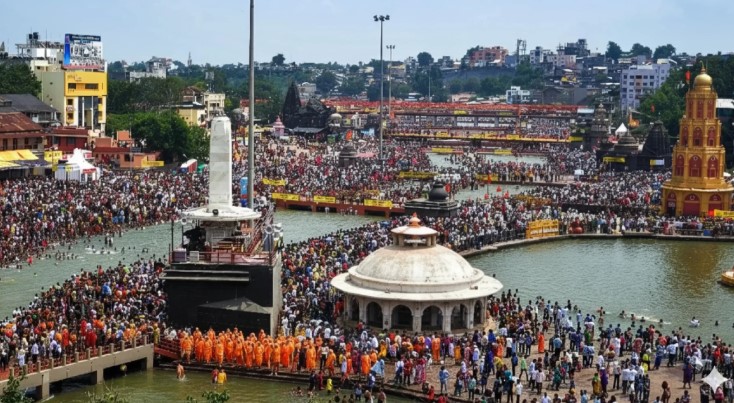
The Maharashtra government has announced a short-term ‘Purohit’ training course as part of its preparations for the 2027 Nashik Kumbh Mela, one of the largest religious gatherings in the country. The initiative aims to train and certify priests who can conduct traditional Hindu rituals correctly and confidently for devotees visiting Nashik during the mega event. The course is designed to ensure that religious practices are carried out with proper knowledge of scriptures, rituals, and customs.
I am writing about this development because the Kumbh Mela is not just a religious event but also a massive organisational exercise involving faith, culture, and livelihoods. With lakhs of devotees expected to arrive from across India, the demand for trained priests rises sharply. This programme reflects an effort by the state to prepare early, professionalise ritual services, and create structured opportunities for those who want to serve as purohits during the Kumbh. It also opens up a dignified, skill-based pathway for young people interested in religious studies and traditional practices.
What the Purohit Training Course Is About
The short-term course focuses on imparting practical and scriptural knowledge required to perform common Hindu rituals associated with the Kumbh Mela. This includes pujas, snans, samskaras, and other religious ceremonies that pilgrims seek during the event.
The training is expected to cover:
- Basic understanding of Vedic rituals and mantras
- Correct methods of conducting religious ceremonies
- Ethical conduct and interaction with devotees
- Cultural sensitivity and traditional practices specific to the Kumbh
The idea is to ensure uniformity, authenticity, and respect in religious services offered during the mela.
Why This Course Matters for Kumbh 2027
The Nashik Kumbh Mela attracts pilgrims from different regions, each with their own expectations and customs. A structured training programme helps address long-standing concerns about inconsistent ritual practices and untrained service providers.
From a broader perspective, this initiative also:
- Helps preserve traditional knowledge in an organised way
- Creates temporary and long-term livelihood opportunities
- Improves the overall experience for devotees
- Reduces last-minute chaos during large-scale religious events
It shows that planning for Kumbh 2027 has already moved beyond infrastructure and logistics to include cultural preparedness.
Who Can Benefit From This Programme
The course is likely to benefit:
- Aspiring priests and purohits
- Students of religious studies and Sanskrit
- Individuals from traditional priest families
- Youth interested in ritual services as a profession
By offering formal training, the state is recognising religious service as a skill that requires discipline and learning, not just inheritance.
Cultural and Social Significance
Religious events like the Kumbh Mela play a major role in shaping India’s cultural identity. By introducing a training and certification system, Maharashtra is taking a step towards balancing tradition with structure. It also sends a message that faith-based roles deserve respect, preparation, and accountability.