JOIN WHATSAPP
STORIES

PM Modi Praises Nagaland’s Morung Education Model: Blending Tradition with Modern Learning

PM Modi Praises Nagaland’s Morung Education Model: Blending Tradition with Modern Learning

Prime Minister Narendra Modi recently highlighted the unique education practices of the Naga community during the 132nd episode of Mann Ki Baat. He spoke about how traditional systems like the Morung are being adapted to include modern subjects while still preserving cultural values. This example from Nagaland shows how education can evolve without losing its roots.

I am writing this because it is important to recognise how local communities are shaping education in their own way. In a time when most discussions focus only on modern or digital learning, this example reminds us that traditional knowledge systems also have great value. Understanding such models can help us think differently about education and how it can be more meaningful for students.

What Is the Morung Education System?

The Morung system is a traditional form of community-based learning in Nagaland.

  • It is a place where elders teach younger generations
  • Learning happens through storytelling, discussions, and shared experiences
  • Focuses on culture, history, and life skills

This system has been an important part of Naga society for generations.

How Morung Has Evolved Over Time

According to the Prime Minister, the Morung system is not limited to tradition anymore.

  • Now includes subjects like mathematics and science
  • Combines modern education with cultural learning
  • Helps students understand both academic and real-life skills

This balance makes the system unique and relevant today.

Learning Beyond Textbooks

One of the most interesting aspects of the Morung system is its teaching style.

  • Uses folk songs and traditional games
  • Encourages storytelling as a learning tool
  • Focuses on practical knowledge and life skills

This approach helps students learn in a more engaging way.

Why This Model Matters Today

The Morung system offers valuable lessons for modern education.

  • Promotes holistic development of students
  • Preserves cultural identity while embracing change
  • Makes learning more relatable and practical
  • Encourages community involvement in education

From my perspective, this kind of learning feels more natural and effective.

PM Modi’s Message to the Nation

During his address, PM Modi appreciated the Naga community’s efforts.

  • Highlighted the importance of preserving cultural heritage
  • Encouraged other regions to share similar initiatives
  • Emphasised the role of grassroots efforts in education

This shows the government’s interest in diverse education models.

Blending Tradition with Modern Education

The key takeaway from this initiative is balance.

  • Traditional values are not ignored
  • Modern subjects are introduced gradually
  • Students benefit from both worlds

This approach can inspire other parts of the country.

What We Can Learn from This

There are some important lessons for students and educators:

  • Education is not limited to classrooms
  • Cultural knowledge is equally important
  • Learning should be practical and engaging
  • Community plays a big role in education

These ideas can help improve the overall learning experience.
Leave a Comment

End of Article

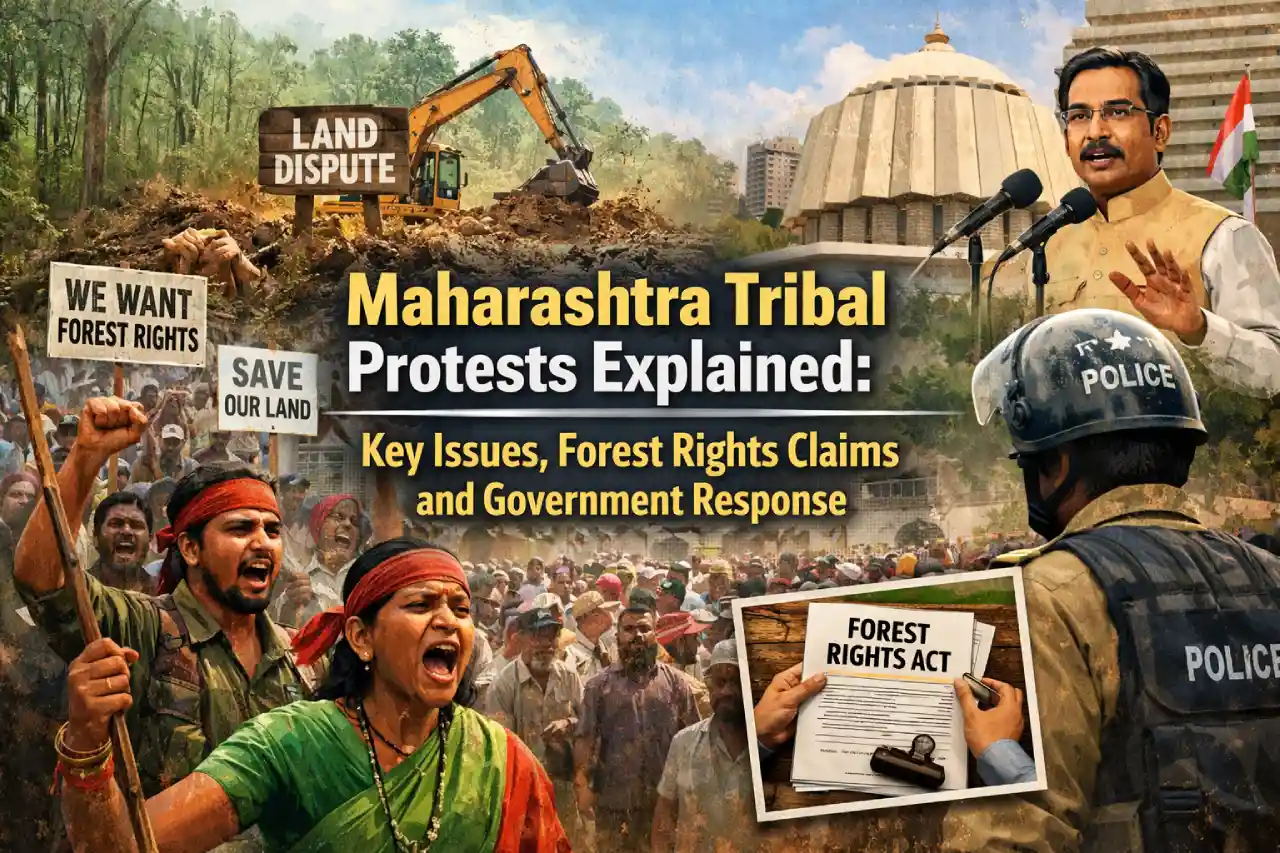
Maharashtra Tribal Protests Explained: Key Issues, Forest Rights Claims and Government Response

Maharashtra Tribal Protests Explained: Key Issues, Forest Rights Claims and Government Response

Tribal protests in Maharashtra, particularly in Nashik, have brought attention to long-pending issues related to forest rights and land claims. Responding in the Rajya Sabha, Union Minister of State Durgadas Uikey shared details about the reasons behind these protests. The concerns mainly revolve around delays and disputes in recognising forest land rights under the Forest Rights Act 2006.

I am writing this because such protests are not just about land—they reflect deeper issues of rights, identity, and access to resources for tribal communities. Many people may not fully understand why these protests happen, so it becomes important to break down the facts in a simple way. This issue also highlights how policy implementation on the ground can directly affect people’s lives.

What Are the Main Reasons Behind the Protests

According to the government, there are two key reasons:

  • Issues in verification and approval of forest rights claims
  • Disputes over the extent of land granted to claimants

These problems are linked to different sections of the Forest Rights Act.

Understanding Forest Rights Claims

The Forest Rights Act allows tribal communities to claim land and forest rights.

  • Individual Forest Rights (IFR) claims are filed by individuals
  • Community Forest Rights (CFR) relate to shared land use
  • Claims go through multiple verification stages

However, delays and rejections have led to dissatisfaction.

Pending Claims and Rejection Data

Here is the current situation:

ParticularsData
Total Pending IFR Cases14,726
Claims Pending6,158
Appeals Pending8,568
Rejection Rate (District Level)Around 30%

These numbers show the scale of the issue.

Why Processing Takes Time

Ideally, claims should be processed within 60 days.

  • Recommended claims may follow this timeline
  • Rejected claims go through appeal processes
  • Appeals can extend beyond six months

This delay has contributed to growing frustration.

Government’s Stand on Displacement

The Maharashtra government has clarified:

  • No forced displacement of tribal communities
  • Due process followed in all districts
  • Land matters fall under state jurisdiction

This statement aims to address concerns raised during protests.

Role of Gram Sabhas in Land Decisions

The government has emphasised community participation.

  • Gram Sabha consent is mandatory before land acquisition
  • Compensation rules updated in November 2025
  • Local bodies play a key role in decision-making

This ensures transparency in land-related matters.

Legal Safeguards Under the Forest Rights Act

The law includes provisions to protect rights.

  • Section 7: Action against violations of the Act
  • Section 8: Complaint process through Gram Sabha

These sections aim to ensure accountability.

Steps Taken by the Government

Efforts are being made to resolve pending issues.

  • State-level monitoring meetings conducted
  • District Collectors instructed to clear pending cases
  • Ongoing monitoring at TRTI Commissionerate level

The focus is on speeding up the process.

Why This Issue Matters

This situation highlights important concerns.

  • Rights of tribal communities over land and forests
  • Delays in implementation of welfare laws
  • Need for faster and fair decision-making
  • Importance of community participation

From my perspective, resolving such issues requires both administrative efficiency and sensitivity towards people’s needs.

Leave a Comment

End of Article

Loading more posts...

Important Video