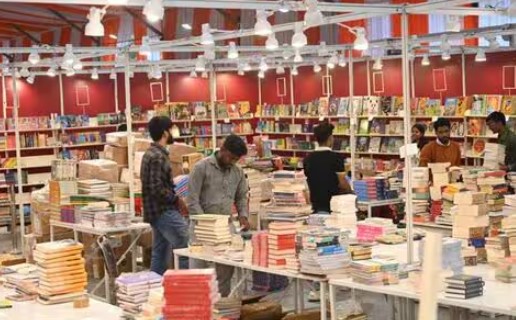
The Pune Book Festival has given the city’s reading culture a much-needed boost, drawing large crowds and reigniting interest in physical books across age groups. From fiction and non-fiction to children’s literature, regional writing and academic titles, the festival turned into a lively space where readers browsed, bought and discussed books without hesitation. Publishers and booksellers reported strong sales, many of them better than expected, signalling a clear comeback for print reading.
I am writing about this because for years there has been concern that digital screens and short-form content were slowly pushing books to the margins. Pune, known for its academic and cultural roots, seemed like the right place to test whether readers would still turn up for books if given the right platform. The response at the festival shows that people have not stopped loving books; they simply needed a reason to return to them. Events like this matter because they reconnect readers with authors, encourage younger audiences to explore reading beyond textbooks, and remind us that bookshops and festivals still have a strong role in city life.
A Festival That Felt Like a Community Event
What stood out at the Pune Book Festival was its inclusive and welcoming atmosphere. Families, students, senior citizens and first-time readers were all seen moving between stalls, spending time flipping through books and engaging with sellers.
Unlike quick online purchases, the festival allowed readers to:
- Discover new authors by chance
- Compare editions and prices
- Get personal recommendations
- Spend time reading before buying
This slow, relaxed experience played a big role in reviving interest.
Strong Response Across Genres
One of the biggest takeaways was the diversity of genres that attracted buyers. Fiction remained popular, but there was also steady demand for non-fiction, history, self-help, biographies and regional literature.
Children’s books, in particular, saw heavy footfall. Parents were keen to introduce physical books to their children, while colourful displays and interactive titles drew young readers in.
Academic and competitive exam books also sold well, reflecting Pune’s large student population.
Boost For Publishers And Small Sellers
Publishers and independent booksellers described the festival as a rare opportunity to connect directly with readers. Many smaller sellers said they saw better sales here than in regular retail settings.
For them, the festival helped in:
- Clearing inventory
- Testing reader interest in new titles
- Building direct relationships with customers
Several publishers noted that readers were open to experimenting with unfamiliar genres, which is often missing in online buying.
Authors And Conversations Added Value
Author interactions and panel discussions added depth to the event. Readers enjoyed listening to writers talk about their work, creative process and reading habits.
Such sessions helped:
- Humanise the reading experience
- Encourage book purchases after talks
- Inspire aspiring writers
For many attendees, these conversations were as important as the books themselves.
Why Physical Books Still Matter
Despite easy access to digital content, the festival highlighted why physical books still hold value. Readers spoke about the joy of holding a book, marking pages and building personal collections.
The tactile experience, combined with browsing freedom, reminded many why they fell in love with reading in the first place.
A Model For Other Cities
The success of the Pune Book Festival shows that book culture can thrive when supported by well-planned public events. With the right mix of affordability, variety and engagement, readers are more than willing to step away from screens.
Such festivals can also:
- Support local publishing ecosystems
- Encourage reading among young people
- Revive interest in regional languages