JOIN WHATSAPP
STORIES

Qatar Museums and NMACC Join Hands to Shape Global Cultural Learning for Children

Qatar Museums and NMACC Join Hands to Shape Global Cultural Learning for Children

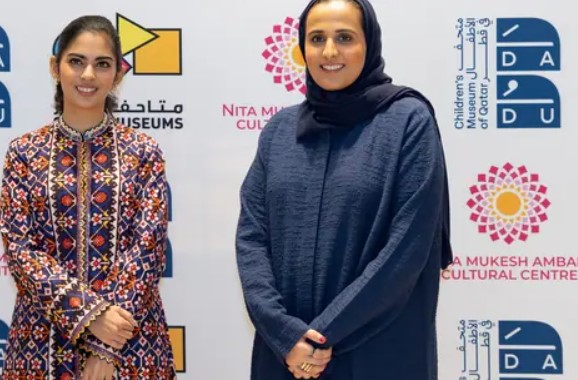
Qatar Museums and the Nita Mukesh Ambani Cultural Centre have signed a five-year agreement aimed at strengthening cultural education initiatives for children. The partnership focuses on creating learning programmes that introduce young minds to art, heritage, creativity, and cross-cultural understanding. Through this collaboration, both institutions plan to design workshops, exhibitions, and educational activities that encourage curiosity and cultural awareness among children in India and Qatar.

I am writing about this agreement because it highlights how global cultural institutions are increasingly investing in children’s education beyond formal schooling. At a time when screen-based learning dominates childhood, initiatives like this bring art, history, and creativity back into focus. Such collaborations also reflect India’s growing presence in global cultural dialogues and show how education through culture can build empathy, imagination, and global citizenship from an early age.

About the Cultural Education Agreement

The agreement was signed between Qatar Museums and Nita Mukesh Ambani Cultural Centre. It lays the foundation for joint programmes that will focus specifically on children and young learners.

The collaboration will explore:

  • Interactive learning modules linked to art and heritage
  • Child-focused exhibitions and storytelling formats
  • Exchange of educational expertise and resources
  • Programmes encouraging creativity, curiosity, and cultural dialogue

These initiatives aim to make museums and cultural spaces more accessible and engaging for children.

Why This Partnership Matters

Cultural education plays a key role in shaping how children understand the world around them. By exposing young learners to diverse histories, traditions, and artistic expressions, such programmes help develop open-minded and socially aware individuals.

This partnership also strengthens cultural ties between India and Qatar. It reflects a shared belief that museums and cultural centres are not just spaces for display, but active learning environments where children can explore ideas, ask questions, and build creative confidence.
Leave a Comment

End of Article

Delhi Schools Likely to Reopen Offline After Christmas as Pollution Curbs Ease

Delhi Schools Likely to Reopen Offline After Christmas as Pollution Curbs Ease

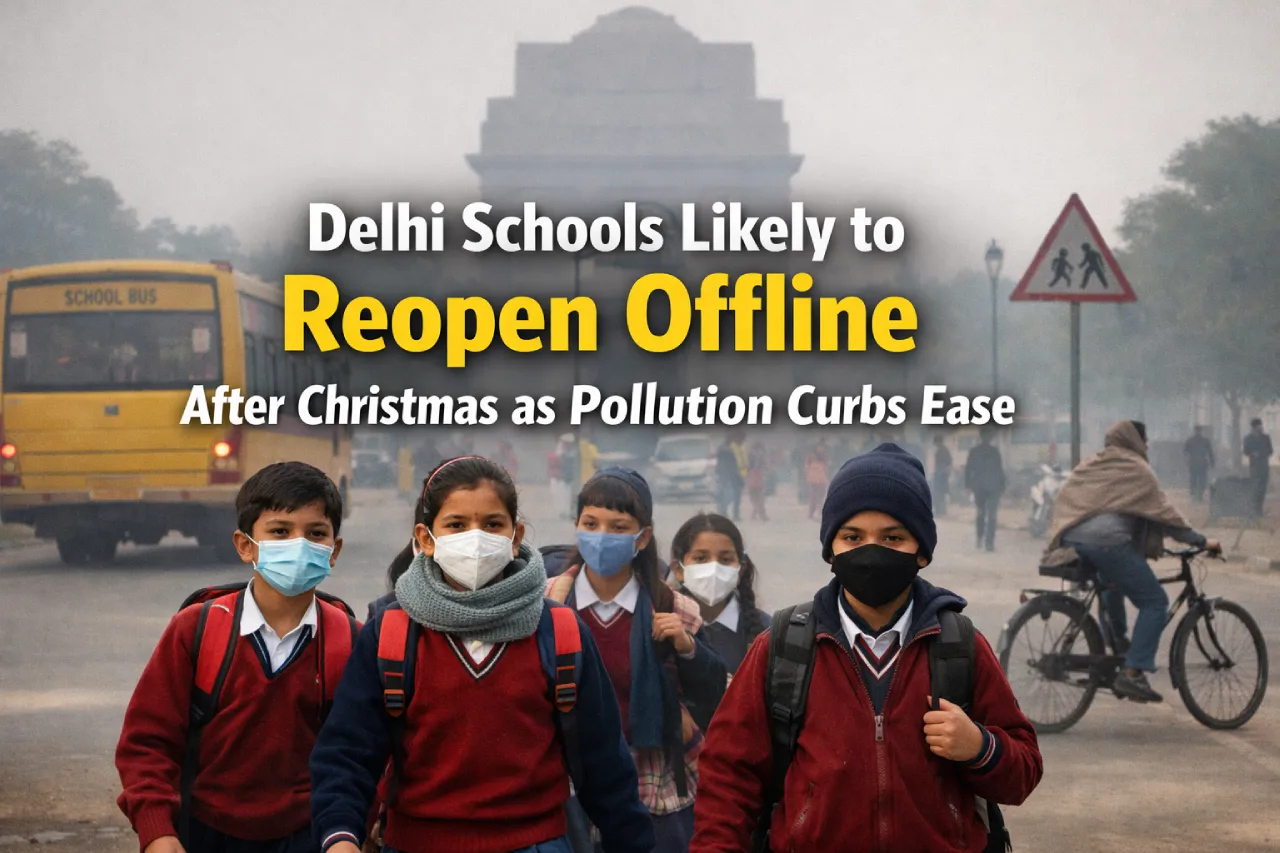
Delhi schools may soon return to physical classes after the Christmas break, following a major decision on air pollution restrictions in the national capital. The possibility of reopening comes after the Commission for Air Quality Management revoked the strict GRAP 4 curbs, which had earlier forced schools to shift to online mode. With pollution levels showing improvement, the Directorate of Education has now issued fresh guidelines for schools to plan the next steps.

I am writing about this development because frequent switches between online and offline classes have created confusion for students, parents, and teachers alike. Clear updates from authorities help families prepare for routines, transport, and academic schedules. For students especially, returning to classrooms means better interaction, structured learning, and a sense of normalcy after weeks of uncertainty.

Why Delhi Schools Were Closed Earlier

Schools in Delhi were asked to suspend physical classes after the implementation of GRAP 4 restrictions due to severe air pollution levels. These curbs were imposed to reduce emissions and protect public health, especially children, who are among the most vulnerable to poor air quality.

Under GRAP 4, several activities were restricted, and schools were advised to shift to online classes as a precautionary measure.

GRAP 4 Curbs Revoked: What Changed

The decision to revoke GRAP 4 was taken by the Commission for Air Quality Management after reviewing recent air quality data. Authorities noted that pollution levels had improved enough to relax the strictest measures, though monitoring will continue.

This rollback has opened the door for schools to consider resuming offline classes, subject to further instructions.

DoE’s New Guidelines for Schools

Following the easing of pollution curbs, the Directorate of Education Delhi has issued updated guidelines to schools. While a final confirmation on reopening dates is awaited, schools have been asked to stay prepared for a return to physical classes after the Christmas holidays.

Schools have also been advised to remain flexible and ensure that students’ health and safety remain a priority.

What Parents and Students Should Expect

As of now, schools are likely to resume physical classes after Christmas, provided air quality remains within acceptable limits. Parents should keep an eye on official notices from schools and the DoE, as decisions may vary slightly depending on local conditions.

Students may be asked to follow basic precautions, especially during morning hours, when pollution levels can fluctuate.

Health and Safety Remain Key

Even with the lifting of GRAP 4, authorities have stressed that schools must remain alert. Measures such as avoiding outdoor activities during high pollution hours and ensuring proper ventilation in classrooms may continue.

Parents are also encouraged to take precautions for children with respiratory issues.

Leave a Comment

End of Article

Loading more posts...