JOIN WHATSAPP
STORIES

University of Mysore & CII-IGBC Partner to Boost Green Education

University of Mysore & CII-IGBC Partner to Boost Green Education

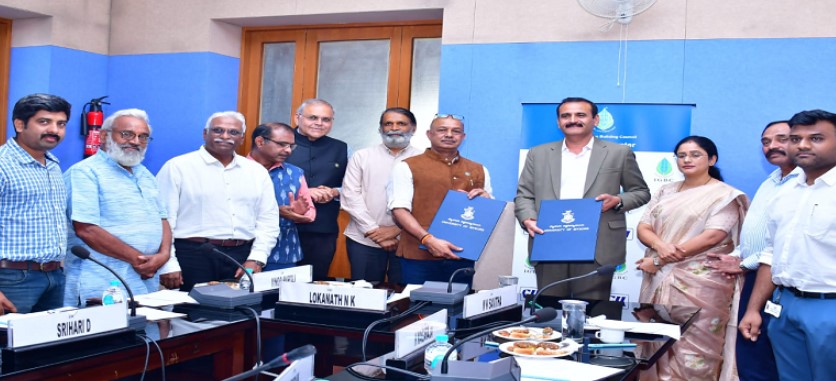
The Confederation of Indian Industry’s Indian Green Building Council (CII-IGBC) has signed a Memorandum of Understanding (MoU) with the University of Mysore to advance green education and develop industry-ready talent in the field of sustainable building practices. This partnership aims to introduce specialised training, certification programmes and real-time industry exposure for students pursuing architecture, engineering, design and environmental studies. The goal is to prepare young professionals who can contribute to India’s growing green building and sustainability sector.

Students often learn traditional building concepts, but green technology, renewable materials, carbon-neutral design and energy efficiency demand specialised knowledge. An industry-academia partnership like this can bridge that gap, ensuring students graduate with market-ready skills rather than struggling to learn them after entering the workforce. It also reflects how sustainability is becoming not just an environmental responsibility but a thriving career field that needs trained professionals.

MoU Signed to Build a New Generation of Green Professionals

The MoU was signed by:

  • Prof. Lokanath N. K., Vice Chancellor, University of Mysore
  • Mr. Vinod Maroli, Chairman, IGBC Mysuru Chapter
  • Mr. Srihari D, Co-Chairman, IGBC Mysuru Chapter

The ceremony was attended by notable dignitaries including Smt. M. K. Savitha (Registrar), Prof. N. Nagaraja (Director & Registrar Evaluation), Mr. K. Sriram (IGBC Executive Board Member & Fellow), Mr. Somashekhar (Past IGBC Chairman), along with Prof. Shamsundar, Mr. Ramesh Kikkeri and Mr. Adithya Sajjan from IGBC Secretariat. Their presence highlighted the significance of this collaboration for the future of green education in India.

What This Partnership Will Offer Students

Through this initiative, students can expect:

  • Curriculum integration of green building concepts
  • Access to IGBC certification programmes
  • Internships and training with industry experts
  • Workshops, seminars and design challenges focused on sustainability
  • Placement support in green building companies and allied sectors

This model will combine classroom teaching with hands-on industry learning.

Why Green Education Matters Today

Sustainable building is one of the fastest-growing sectors in India. The country has:

  • Over 10 billion sq. ft of IGBC registered green building space
  • Increasing demand for certified green building professionals
  • Government policies promoting eco-friendly infrastructure

Students who are trained early in green technologies can contribute to low-carbon cities, energy-efficient infrastructure and climate-responsive design.

How This MoU Strengthens Industry-Academia Collaboration

The agreement ensures:

  • Industry experts participate directly in teaching
  • Universities stay updated with latest sustainability standards
  • Research projects align with real-world green building challenges
  • Students gain globally recognised certifications in emerging technologies

Such collaboration helps colleges move beyond theoretical education and produce professionals who can immediately contribute to the industry.

Leave a Comment

End of Article

Maharashtra College Teachers Seek Higher Retirement Age, Urge UGC to Act

Maharashtra College Teachers Seek Higher Retirement Age, Urge UGC to Act

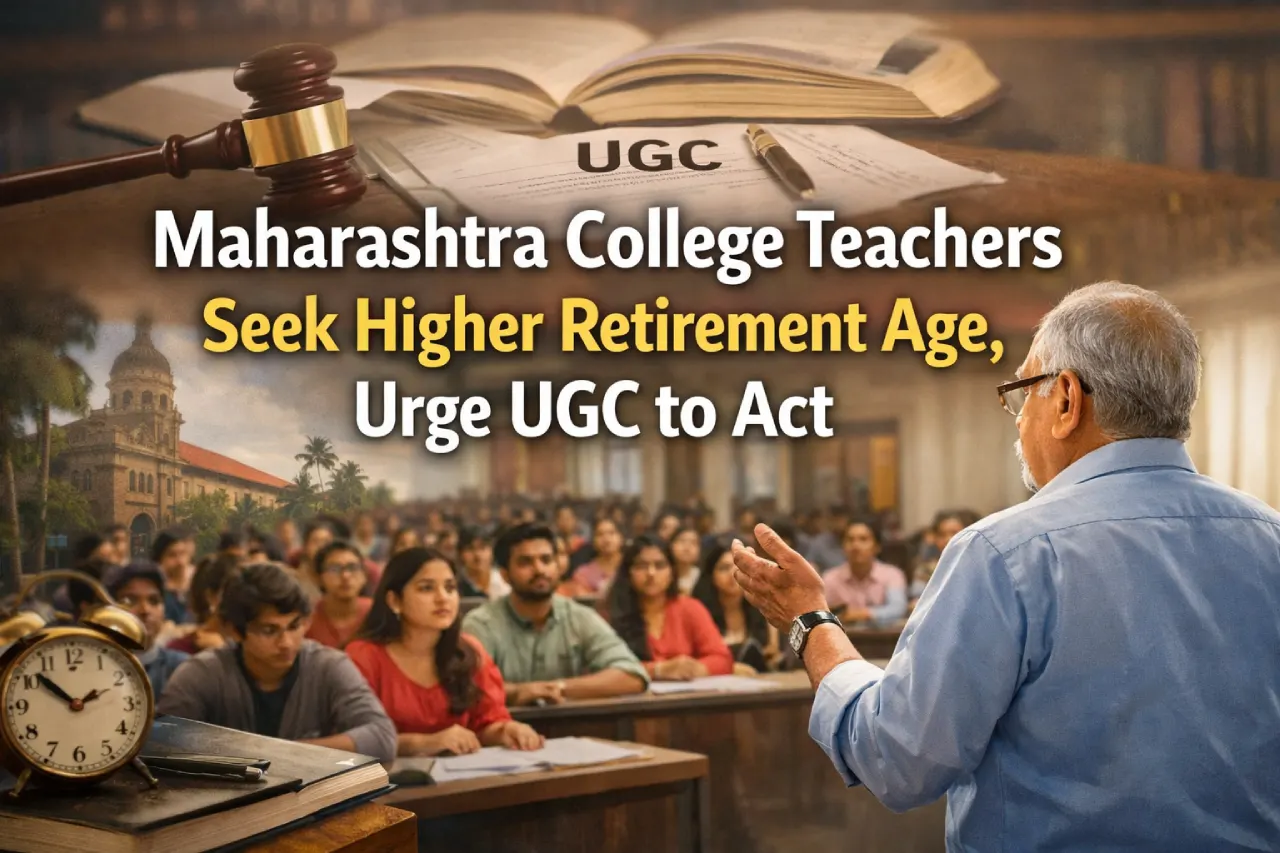
Teachers from colleges across Maharashtra have urged the University Grants Commission to raise the retirement age for teaching faculty from the current 60 years to 65 years. The demand has been made by teachers’ associations who argue that experienced educators are being forced to retire too early, even as colleges continue to face staff shortages. They believe extending the retirement age will help retain academic expertise and improve teaching quality in higher education institutions.

I am writing about this issue because it affects not just teachers, but also students and the overall higher education system. At a time when universities are struggling with vacant posts and delayed recruitments, losing senior faculty creates gaps in teaching, research, and mentorship. The demand also raises a larger question about how India values experience in academia and whether policy needs to evolve with changing life expectancy and professional capability.

What Maharashtra Teachers Are Demanding

Teachers’ bodies have formally requested UGC to revise the retirement age for college and university teachers to 65 years, bringing it in line with several central institutions. They argue that many educators remain academically active and physically fit well beyond 60.

According to them, forcing retirement at 60 leads to a loss of institutional memory and teaching continuity.

Why Teachers Want the Age Limit Raised

Teachers say the demand is based on practical realities. Many colleges face:

  • Acute shortage of qualified faculty
  • Delays in permanent recruitment
  • Heavy teaching loads on existing staff

Extending the retirement age would offer immediate relief without additional recruitment costs.

Comparison with Central Institutions

In several central universities and institutions, teachers are allowed to work up to 65 years, and in some cases even longer through re-employment. Maharashtra teachers feel this creates inequality between state and central institutions.

They believe a uniform retirement policy across the country would be fairer and more effective.

Impact on Students and Academic Quality

Senior teachers often play a key role in mentoring young faculty, guiding research scholars, and maintaining academic standards. Their early retirement disrupts this balance and places extra pressure on junior staff.

Students, especially at postgraduate and research levels, are among the biggest losers.

Concerns About Youth Employment

Some critics argue that extending retirement age could limit opportunities for younger aspirants. Teachers’ associations counter this by saying vacant posts already exist and recruitment processes are slow, so extending service will not block new jobs.

They stress that experience and new talent should coexist.

What UGC’s Role Will Be

UGC has the authority to frame regulations related to service conditions in higher education. Any change in retirement age would require policy review and coordination with state governments.

Teachers are hopeful that the commission will consider the request seriously.

Leave a Comment

End of Article

Loading more posts...