JOIN WHATSAPP
STORIES

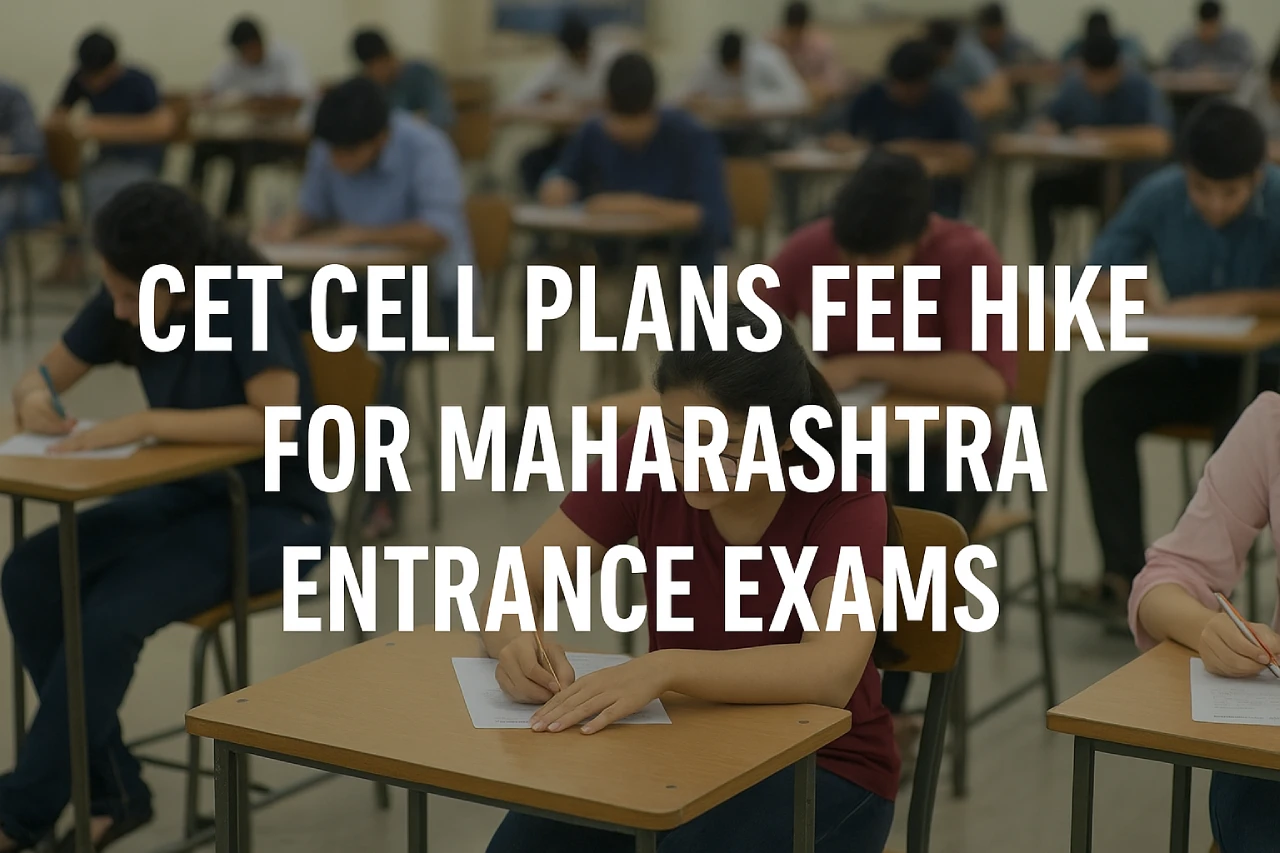
CET Cell Plans Fee Hike for Maharashtra Entrance Exams

CET Cell Plans Fee Hike for Maharashtra Entrance Exams

The State Common Entrance Test (CET) Cell in Maharashtra has proposed a revision to the registration fees charged for higher education entrance exams in the state. As per the proposal, students appearing for CET examinations may soon have to pay an additional ₹150 to ₹250. Currently, the application fees vary between ₹500 and ₹1,000, depending on the category and the course. If the proposal is accepted, the revised fee structure will apply to upcoming admission cycles across undergraduate and postgraduate programmes.

Discussing such changes is important because exam fees directly affect lakhs of students who apply for professional courses every year. Many families already spend heavily on coaching, travel, and study materials before even entering college. When an institution proposes a fee hike, it becomes necessary to evaluate whether the additional charges will improve exam administration, technology use, grievance redressal, or simply increase the financial burden.

Students from rural areas and financially weaker backgrounds may find even a small increase challenging. On the other hand, education authorities argue that operational costs have risen significantly due to digital infrastructure, manpower, and exam security measures. As a result, it is essential to understand the reasons behind this proposal and its potential impact on access to higher education.

What Will the New CET Fee Structure Look Like?

  • Current fee range: ₹500–₹1,000
  • Proposed increase: ₹150–₹250
  • New expected fee range: ₹650–₹1,250

The revised fees may be applicable to exams such as:

  • MHT-CET (Engineering and Pharmacy)
  • MBA/MMS CET
  • LAW CET
  • B.Ed., M.Ed., and B.P.Ed admissions
  • MCA, M.Arch, and other professional courses offered in Maharashtra

Why is the CET Cell Proposing the Fee Hike?

According to officials, several factors have led to rising examination expenditure:

  • Increasing use of digital platforms for secure registration and results
  • Higher costs for exam centres, invigilation, technical staff and logistics
  • Implementation of stricter anti-malpractice measures
  • Maintenance of online help desks and grievance systems

The CET Cell claims that the existing fee structure does not adequately cover examination expenses.

Concerns Raised by Students

Many students feel that a fee increase, even if small, could affect affordability:

  • Students from low-income families may struggle to pay higher fees
  • Multiple exam applications make the cost even higher
  • Rural students already spend on travel and internet facilities

Several education activists believe that instead of increasing fees, the state should offer subsidies or concessions to economically weaker students.

Will There Be Concessions for Reserved Categories?

Although the proposal does not mention separate concessions yet, it is likely that:

  • Reserved category students may receive reduced fees
  • Economically weaker sections might get partial exemption
  • Special relief may continue for differently abled students

The final decision will depend on government approval.
Leave a Comment

End of Article

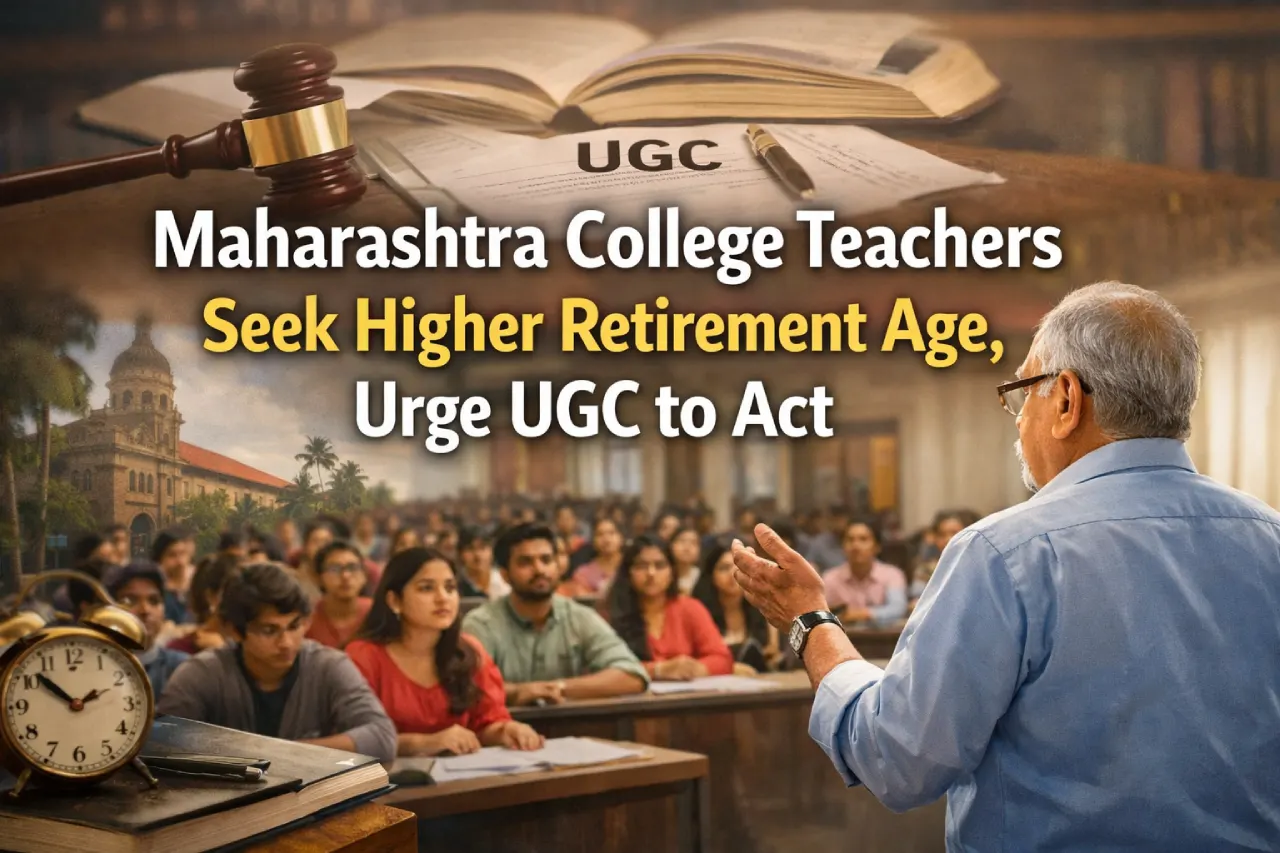
Maharashtra College Teachers Seek Higher Retirement Age, Urge UGC to Act

Maharashtra College Teachers Seek Higher Retirement Age, Urge UGC to Act

Teachers from colleges across Maharashtra have urged the University Grants Commission to raise the retirement age for teaching faculty from the current 60 years to 65 years. The demand has been made by teachers’ associations who argue that experienced educators are being forced to retire too early, even as colleges continue to face staff shortages. They believe extending the retirement age will help retain academic expertise and improve teaching quality in higher education institutions.

I am writing about this issue because it affects not just teachers, but also students and the overall higher education system. At a time when universities are struggling with vacant posts and delayed recruitments, losing senior faculty creates gaps in teaching, research, and mentorship. The demand also raises a larger question about how India values experience in academia and whether policy needs to evolve with changing life expectancy and professional capability.

What Maharashtra Teachers Are Demanding

Teachers’ bodies have formally requested UGC to revise the retirement age for college and university teachers to 65 years, bringing it in line with several central institutions. They argue that many educators remain academically active and physically fit well beyond 60.

According to them, forcing retirement at 60 leads to a loss of institutional memory and teaching continuity.

Why Teachers Want the Age Limit Raised

Teachers say the demand is based on practical realities. Many colleges face:

  • Acute shortage of qualified faculty
  • Delays in permanent recruitment
  • Heavy teaching loads on existing staff

Extending the retirement age would offer immediate relief without additional recruitment costs.

Comparison with Central Institutions

In several central universities and institutions, teachers are allowed to work up to 65 years, and in some cases even longer through re-employment. Maharashtra teachers feel this creates inequality between state and central institutions.

They believe a uniform retirement policy across the country would be fairer and more effective.

Impact on Students and Academic Quality

Senior teachers often play a key role in mentoring young faculty, guiding research scholars, and maintaining academic standards. Their early retirement disrupts this balance and places extra pressure on junior staff.

Students, especially at postgraduate and research levels, are among the biggest losers.

Concerns About Youth Employment

Some critics argue that extending retirement age could limit opportunities for younger aspirants. Teachers’ associations counter this by saying vacant posts already exist and recruitment processes are slow, so extending service will not block new jobs.

They stress that experience and new talent should coexist.

What UGC’s Role Will Be

UGC has the authority to frame regulations related to service conditions in higher education. Any change in retirement age would require policy review and coordination with state governments.

Teachers are hopeful that the commission will consider the request seriously.

Leave a Comment

End of Article

Loading more posts...