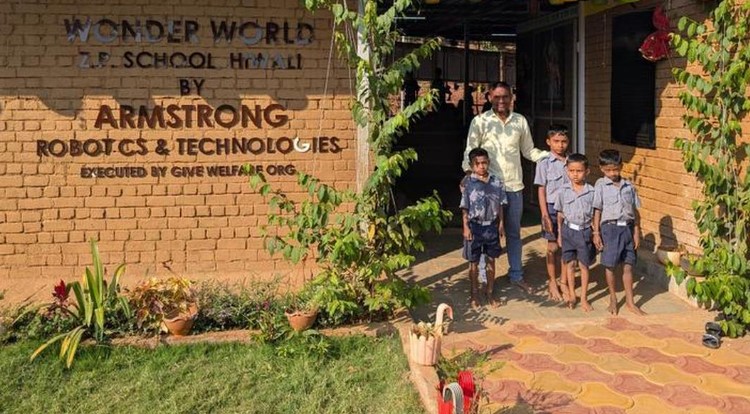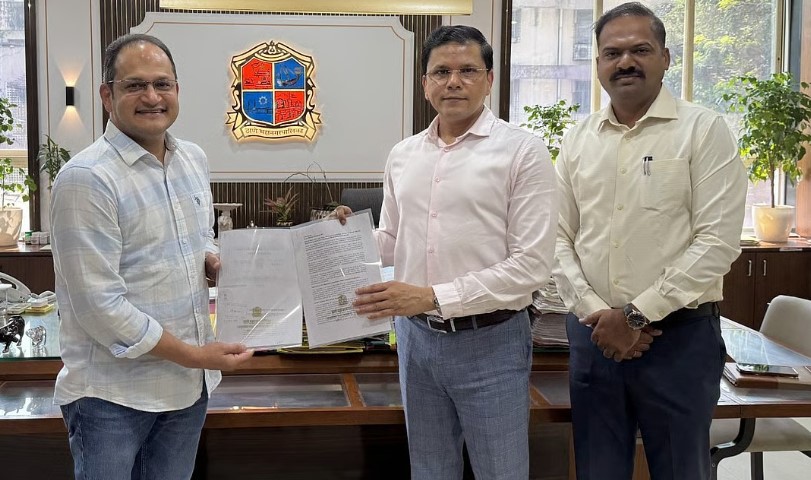
Christel House India has entered into an MoU with the Thane Municipal Corporation (TMC) to set up a new free, international-quality school for underserved children in Kharegaon, Thane. The upcoming institution aims to offer comprehensive support beyond classroom learning, providing students with nutritious meals, school uniforms, healthcare facilities, and counselling services. Through this initiative, the project seeks to ensure that every child receives holistic development and long-term guidance throughout their schooling journey.
When governments collaborate with NGOs that have expertise in child development and schooling, the results often go beyond academics. These schools become safe spaces where children receive meals, emotional support and access to opportunities they might never have imagined. Highlighting such efforts is important because they show how communities can come together to build lasting change and create pathways for underprivileged children to rise above their circumstances.
What the MoU Means for Thane
The agreement between TMC and Christel House India marks the beginning of a school model that combines government support with NGO-driven educational excellence. The school in Kharegaon will be designed to meet international learning standards while remaining accessible to children from disadvantaged backgrounds.
Key features include:
- Completely free education from early grades
- Provision of nutritious meals
- Free uniforms and essential learning materials
- Access to healthcare and regular medical check-ups
- Counselling and emotional support systems
- Focus on academic quality and overall development
This model aims to remove all barriers that typically keep children from attending or continuing school.
Who Will Benefit
The primary beneficiaries of this initiative are children from vulnerable families in and around Kharegaon. These include:
- Students from low-income households
- Children who are first-generation learners
- Kids who lack access to safe and supportive school environments
- Families unable to afford private schooling or additional support services
By providing education and essential resources at no cost, the school hopes to reach children who currently remain outside the formal education system or are at risk of dropping out.
Why the Partnership Matters
Christel House India has experience in running high-impact schools in other cities, and its approach to education focuses on long-term success rather than short-term outcomes. The MoU allows Thane to bring this proven model to its residents.
The partnership matters because:
- It introduces a sustainable school model supported by both the government and a trusted NGO
- It ensures that children’s basic needs are addressed alongside academic learning
- It can inspire other municipalities to explore similar collaborations
- It expands quality education to communities that are often overlooked
When schools offer healthcare, meals and counselling, families feel less burdened, and children can focus on learning without daily struggles.
Facilities and Learning Environment
The planned school will follow modern educational practices and create a nurturing atmosphere. Expected facilities include:
- Well-equipped classrooms
- Activity spaces for arts and sports
- Digital learning tools
- Clean dining areas for meal programmes
- Health rooms for routine check-ups
- Safe transportation arrangements in specific cases
These elements are designed to promote balanced growth and ensure that students receive the same opportunities as their peers in better-resourced schools.
Long-Term Goals of the Initiative
The long-term vision behind this collaboration is to:
- Reduce dropout rates in disadvantaged communities
- Improve learning outcomes and skill development
- Prepare students for higher education or vocational pathways
- Break generational poverty by empowering young learners
- Create a model that can be replicated in other parts of Maharashtra
Such schools often play a crucial role in shaping students who eventually contribute back to their communities.
Reactions from Local Leaders
Local officials have welcomed the move, noting that the Kharegaon area and surrounding pockets will benefit significantly from a modern educational institution. Community members have also expressed optimism, especially those who have been seeking quality schooling options for their children but could not afford private alternatives.