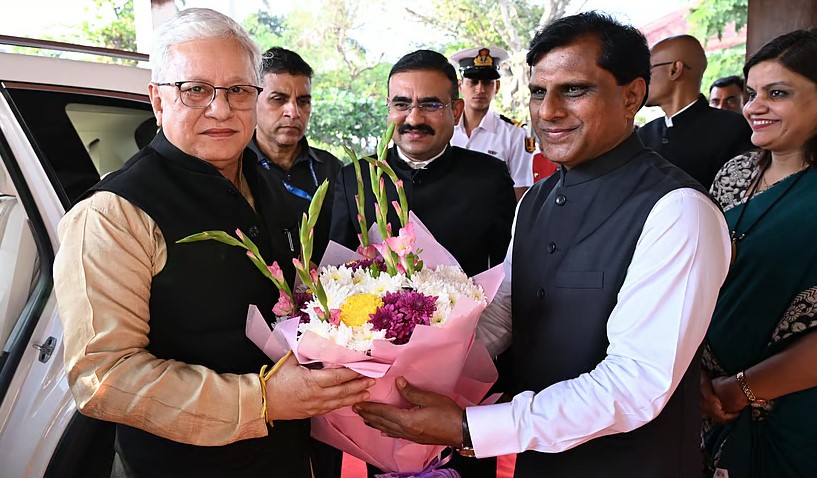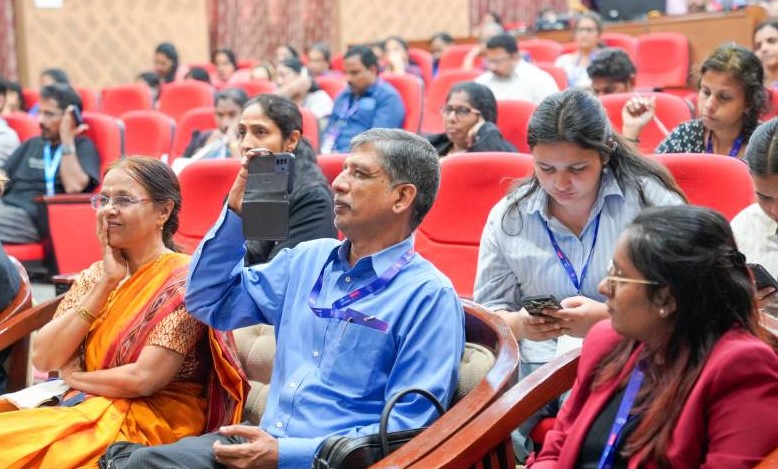
The UNESCO Chair on Assistive Technologies in Education at Amrita Vishwa Vidyapeetham recently hosted an international symposium focused on the role of Artificial Intelligence in inclusive education. Titled AI-Enabled Assistive Technologies for Inclusive Education, the two-day programme served as a key pre-Summit event ahead of the India AI Impact Summit 2026. The event brought together policymakers, educators, researchers, and technology experts to discuss how AI can support learners with diverse abilities.
I am writing about this symposium because conversations around AI in education often focus on efficiency and automation, while inclusion gets less attention. This event shifted that focus in an important way. It highlighted how technology, when designed thoughtfully, can remove barriers rather than create new ones. At a time when AI is entering classrooms rapidly, such discussions are essential to ensure no learner is left behind.
About the UNESCO Chair on Assistive Technologies in Education
The symposium was organised by the UNESCO Chair on Assistive Technologies in Education, an initiative that works at the intersection of education, accessibility, and emerging technologies. Hosted at Amrita Vishwa Vidyapeetham, the Chair focuses on research, policy engagement, and capacity building to support inclusive learning environments.
By hosting this event, the Chair reinforced its commitment to promoting education systems that recognise and respond to diverse learning needs.
Key Theme of the Symposium
The central idea of the symposium was clear and focused: using AI to transform technology from a potential barrier into a universal bridge. Speakers and participants discussed how assistive technologies powered by AI can support students with visual, hearing, cognitive, and learning disabilities.
Rather than treating inclusion as an afterthought, the discussions placed accessibility at the core of technology design. This shift in thinking was a recurring theme across sessions.
Who Participated in the Event
The symposium saw participation from a wide range of stakeholders, creating a strong mix of perspectives.
Participants included:
- Policymakers working on education and digital inclusion
- Teachers and education leaders
- Researchers in AI and assistive technologies
- Technologists and innovators
- Advocates for inclusive education
This diversity helped ground technical discussions in real classroom and policy realities.
How AI Can Support Inclusive Education
Several sessions focused on practical applications of AI in assistive technologies. Speakers highlighted tools that can personalise learning, support communication, and adapt content to individual needs.
Examples discussed included:
- AI-based text-to-speech and speech-to-text tools
- Intelligent learning platforms that adjust pace and format
- Assistive systems for students with cognitive disabilities
- Data-driven insights to support teachers in inclusive classrooms
The emphasis was on using AI to empower both learners and educators.
Link to the India AI Impact Summit 2026
As a pre-Summit event to the India AI Impact Summit 2026, the symposium helped set the tone for broader national conversations around responsible AI. It reinforced the idea that inclusion must be a core pillar of India’s AI strategy, especially in education.
The discussions are expected to inform larger debates at the Summit, particularly around policy frameworks and ethical AI deployment.
Why This Conversation Matters Now
With AI tools being adopted rapidly in education, there is a real risk that learners with special needs could be excluded if accessibility is not prioritised. The symposium addressed this concern directly by bringing inclusion into the mainstream AI conversation.
It also highlighted the need for collaboration between academia, government, and industry to ensure assistive technologies reach classrooms where they are needed most.
What This Means for the Future of Education
The symposium made it clear that inclusive education in the AI era is achievable, but only with intentional design and policy support. AI has the potential to personalise learning at scale, but its true value lies in expanding access and dignity for all learners.
By framing AI as a tool for inclusion rather than exclusion, the event offered a hopeful vision for the future of education.