India’s National Education Policy (NEP) 2020 places strong emphasis on skills, competency-based learning, and holistic development. However, a growing concern remains about whether students are actually acquiring these skills in a meaningful way. While school enrolment has improved significantly over the years, learning outcomes continue to lag behind expectations, especially beyond the primary level.
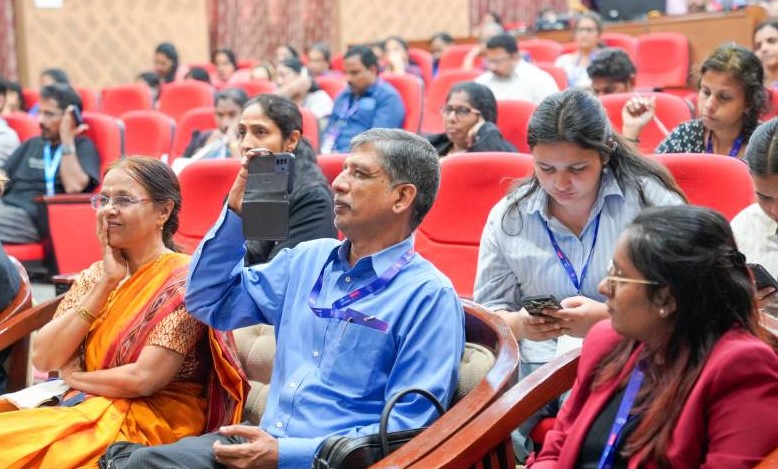
I am writing about this issue because it directly affects millions of students and families across the country. Education is not only about getting children into classrooms, but also about ensuring they truly understand what they are being taught. The discussion around this topic at a recent education conclave highlighted some uncomfortable truths, along with practical suggestions for fixing India’s persistent learning gap.
Learning Crisis Despite High Enrolment
The central message emerging from the session “From Enrollment to Outcomes: How to Fix India’s Learning Gap” at the India Today Education Conclave was clear. India has made strong progress in school access, but learning levels have not kept pace.
Many students remain in school but struggle with basic reading, writing, and arithmetic skills. Experts warned that focusing only on enrolment numbers can create a false sense of success while masking deeper problems inside classrooms.
What Experts Are Saying
Two education leaders shared ground-level insights during the discussion:
- Wilima Wadhwa, Director of the ASER Centre
- Alka Singh, Head of Partnerships at Educate Girls
Both emphasised that learning gaps begin early and widen over time if not addressed properly.
They pointed out that many children move from one grade to the next without mastering foundational skills, which makes it harder for them to cope with higher-level concepts later.
Why Students Fall Behind Even When They Are in School
According to the experts, several factors contribute to poor learning outcomes:
- Weak foundational literacy and numeracy
- Overloaded curriculum and fast-paced teaching
- Limited teacher training in child-centred methods
- Lack of regular assessment and feedback
In many cases, teachers are under pressure to complete the syllabus rather than ensure real understanding.
NEP 2020’s Vision Versus Classroom Reality
NEP 2020 talks about:
- Competency-based learning
- Reduced rote memorisation
- Focus on skills and critical thinking
- Mother-tongue or local language instruction in early grades
However, experts believe that translating this vision into classroom practice remains a challenge.
Policies alone cannot improve learning unless they are supported by strong implementation, teacher support, and monitoring.
Importance of Foundational Learning
Both speakers stressed that the early years are critical. If children do not learn to read fluently and understand basic maths by primary school, they are likely to struggle throughout their education.
Investing in foundational learning can:
- Improve retention and confidence
- Reduce dropout rates
- Make higher-level learning easier
Strong foundations create a solid base for skill development later.
Role of Teachers and Training
Teachers play the most important role in improving learning outcomes. Experts highlighted the need for:
- Continuous professional development
- Practical training in new teaching methods
- Supportive school leadership
Teachers must be empowered to focus on student understanding, not just exam performance.
Measuring What Children Actually Know
Another key concern raised was the lack of regular, meaningful assessment. Instead of relying only on end-of-year exams, schools need simple tools to check what students are actually learning.
This can help identify gaps early and provide targeted support.