JOIN WHATSAPP
STORIES

New Age Careers in Banking: Top Roles You Should Know About

New Age Careers in Banking: Top Roles You Should Know About

The banking sector is no longer just about tellers, cash counters and cheque books. Over the past decade, banks have gone digital, adopted artificial intelligence, and introduced a range of services that require completely new skills. This has opened the door for fresh career paths in banking—roles that didn’t even exist a few years ago. From data analysts to cyber security experts, the modern bank needs more than finance graduates to stay ahead.

I’m writing about this topic because most students still see banking as a traditional 9-to-5 job involving loan approvals or customer service desks. But that picture is changing fast. As someone who has closely followed the shift in how banks operate, I believe it’s important for students and young professionals to understand these new-age roles. Especially for those who are good with numbers, tech, or problem-solving, banking today offers exciting and stable career options beyond the usual officer or clerk positions. So, whether you’re planning after Class 12 or already have a degree, it’s worth exploring what modern banking has to offer.

What Are New Age Careers in Banking?

Unlike the past, when most bank jobs were either administrative or sales-focused, today’s roles require specialised knowledge and technical skills. Many banks now function more like tech companies, using advanced tools to serve customers better and stay secure.

Here are some of the emerging roles in the modern banking industry:

  • Data Analyst / Data Scientist: Banks collect huge amounts of data every day. Data professionals help make sense of this information to understand customer behaviour, reduce risk and improve services.
  • Cyber Security Analyst: With everything becoming digital, banks need experts to prevent fraud, hacking and data leaks.
  • Product Manager (Banking Apps): These professionals design and improve mobile apps and digital platforms, ensuring they are easy to use and meet customer needs.
  • UX/UI Designer: Banks need user experience (UX) and interface (UI) designers to make their apps and websites user-friendly.
  • Blockchain Specialist: Though still a growing area, many banks are exploring blockchain for secure transactions and smart contracts.
  • AI and Machine Learning Engineer: Used in chatbots, fraud detection, and personalised banking, AI engineers are now part of many bank tech teams.
  • Risk and Compliance Manager (Digital Focused): With more rules around digital banking, there’s a need for people who understand regulations in fintech.

Why These Roles Are Gaining Popularity

These roles are becoming popular because banking has gone digital. More than 70% of banking services are now available online or on mobile, especially in urban areas. This shift was accelerated during the COVID-19 pandemic, and it’s now the norm. As a result, traditional banking staff alone cannot manage the new systems, customer expectations or security concerns.

Some reasons why banks are hiring for these roles:

  • Rise in digital payments and UPI transactions
  • Increasing cyber threats and data privacy concerns
  • Need for real-time customer service (e.g. chatbots)
  • Pressure to compete with fintech startups
  • Regulatory changes in online finance

What You Need to Get Started

You don’t always need a banking or finance degree to enter these new-age roles. Many of these jobs value skills over traditional qualifications.

Here’s a basic breakdown of what can help:

RoleRecommended Courses/Skills
Data AnalystB.Sc/B.Tech in Math, Statistics, or any degree + Python, SQL, Excel
Cyber SecurityBCA, B.Tech in CS, or certifications like CEH, CISSP
UX/UI DesignerDesign courses, B.Des, or certification in UI tools like Figma
Blockchain ExpertCourses in Blockchain, Computer Science or online certifications
Product ManagerMBA or certification in product management, plus tech understanding
AI/ML EngineerB.Tech/B.Sc in CS, AI-focused certifications, coding experience

Some banks also run their own training programs for freshers in areas like fintech, digital marketing, or analytics. You can also look for internships in private banks to get hands-on experience.

Public Sector vs Private Sector: Who’s Hiring for These Roles?

Public sector banks are slowly moving toward digital, but private sector banks and fintech-backed banks are way ahead in offering these roles. Institutions like ICICI Bank, HDFC Bank, Axis Bank and even RBI are hiring talent with tech backgrounds.

For example:

  • ICICI Bank has programs like iLead for fresh graduates with tech skills
  • HDFC Bank recruits for digital banking and product teams
  • RBI has started looking at blockchain and AI through research roles

Private players also collaborate with tech firms or edtech platforms to train and absorb candidates in new-age roles.

Future Scope and Salary Expectations

These roles are expected to grow with the banking industry expanding digitally. According to a report by NASSCOM, India’s banking tech sector is expected to grow at 22% CAGR in the coming years. That means more demand for tech-savvy professionals.

On the salary front:

  • Entry-level UX designers and data analysts earn ₹4-7 LPA
  • Cyber security roles start from ₹6 LPA and can go up to ₹20 LPA with experience
  • AI/ML engineers earn between ₹6-12 LPA at top banks
  • Product managers in banking earn ₹12-25 LPA depending on experience and company

Compared to traditional bank jobs, these roles offer better pay and faster growth for skilled individuals.

Final Thoughts: Is It Time to Rethink Banking Careers?

Banking is no longer just a “safe job” with fixed hours. It’s now a fast-moving industry with space for innovation, creativity and problem-solving. For students and professionals who are tech-friendly or interested in digital platforms, the new age careers in banking offer a great mix of job security and growth.

If I were to give advice to someone choosing a path in banking today, I’d say: don’t limit yourself to traditional posts. Explore the digital side of finance, build your skills and stay curious. You might just find yourself shaping the future of how India banks.

Leave a Comment

End of Article

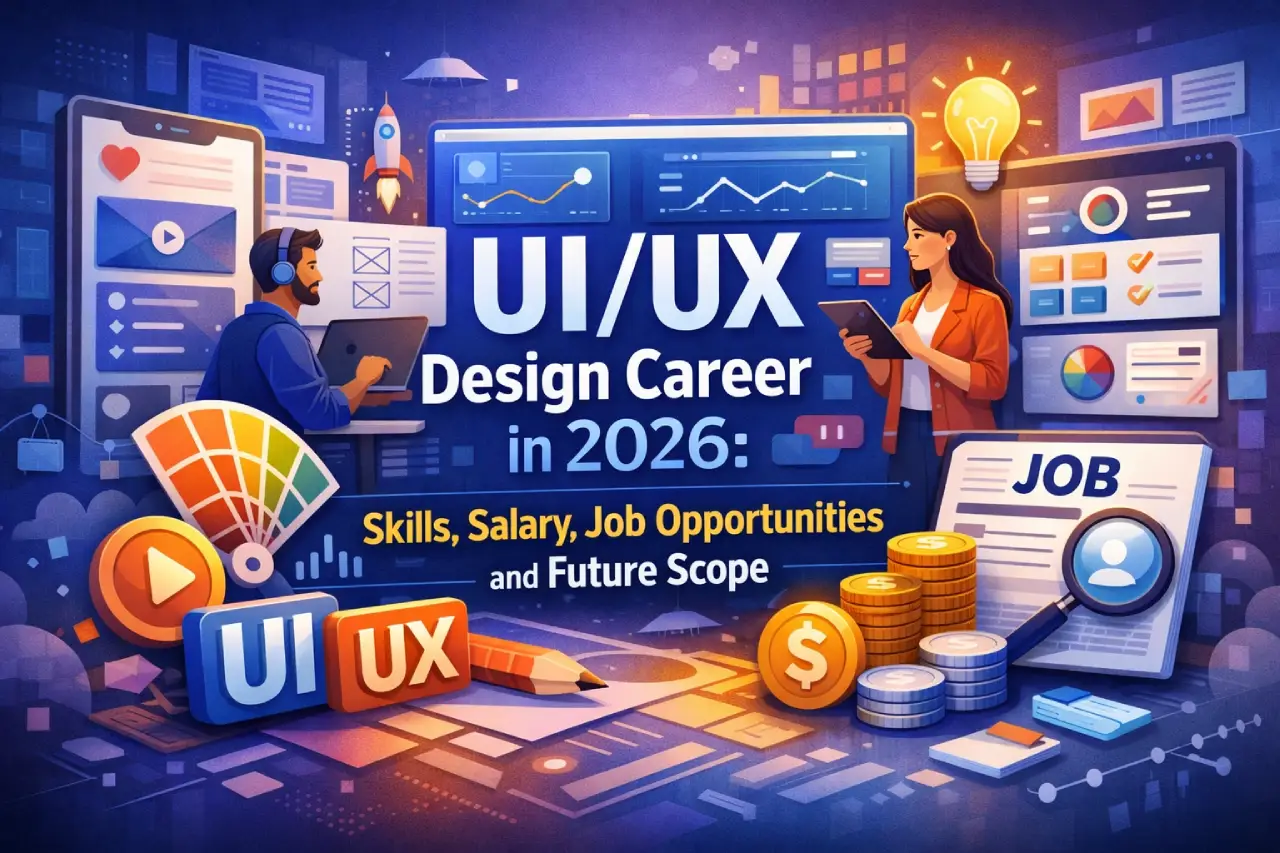
UI/UX Design Career in 2026: Skills, Salary, Job Opportunities and Future Scope

UI/UX Design Career in 2026: Skills, Salary, Job Opportunities and Future Scope

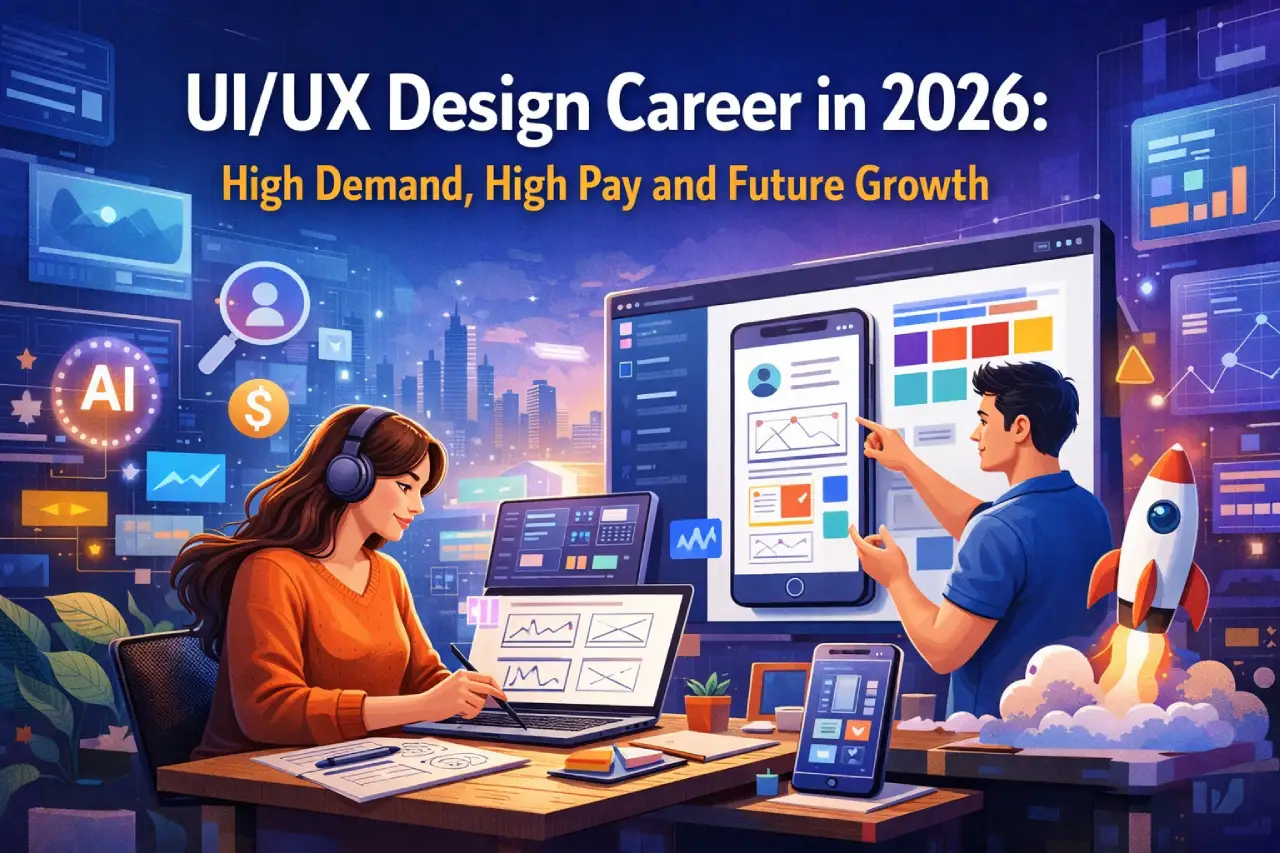
UI/UX design has become one of the fastest-growing career paths in the digital industry. As companies continue to build websites, mobile applications, and digital platforms, the need for professionals who can design smooth and user-friendly experiences has increased significantly. For students planning their careers in 2026, UI/UX design is often seen as a promising field that combines creativity, technology, and problem-solving skills.

I decided to write about this topic because many students today are confused about choosing the right career path in a rapidly changing digital world. Traditional careers are still important, but newer roles like UI/UX design are gaining attention due to strong demand and flexible career opportunities. Understanding what UI/UX design involves, what skills are required, and what career prospects look like can help students decide whether this field is the right fit for them.

What Is UI/UX Design

UI/UX design focuses on creating digital products that are easy to use, visually appealing, and efficient for users.

Although the terms are often used together, they represent two different aspects of design.

UI stands for User Interface, which refers to the visual elements of a digital product, such as buttons, layouts, icons, and colours.

UX stands for User Experience, which focuses on how users interact with a product and how easy or satisfying that interaction feels.

Together, UI and UX designers work to ensure that apps, websites, and software products provide a smooth and enjoyable experience for users.

Why UI/UX Design Is Growing as a Career

The demand for UI/UX designers has increased because digital products have become an essential part of everyday life.

Companies today rely heavily on websites, mobile applications, and digital platforms to reach customers. If these platforms are difficult to use, users quickly move to competitors.

Because of this, businesses now invest heavily in improving user experience.

Some industries that actively hire UI/UX designers include:

  • Technology companies
  • Startups and digital platforms
  • E-commerce businesses
  • Banking and financial services
  • Healthcare technology companies

As digital transformation continues, the need for skilled designers is expected to grow even further.

Skills Required to Become a UI/UX Designer

Students interested in this field need a combination of creative thinking and technical knowledge.

Some important skills include:

  • Understanding user behaviour and psychology
  • Wireframing and prototyping
  • Visual design and layout principles
  • Basic knowledge of design tools such as Figma or Adobe XD
  • Communication and collaboration skills
  • Problem-solving and analytical thinking

Designers often work closely with developers, product managers, and marketing teams, so teamwork is also an important part of the job.

Educational Paths for UI/UX Design

There is no single educational route to becoming a UI/UX designer. Students from various academic backgrounds can enter this field.

Some common pathways include:

  • Degree programmes in design, computer science, or multimedia
  • Certification courses in UI/UX design
  • Online design bootcamps and training programmes
  • Self-learning through online resources and projects

Many employers focus more on portfolio quality and practical skills rather than only academic qualifications.

Job Roles in the UI/UX Field

The UI/UX field offers several specialised roles depending on a designer’s skills and interests.

Some common job titles include:

  • UI Designer
  • UX Designer
  • Product Designer
  • Interaction Designer
  • UX Researcher
  • Design Strategist

As professionals gain experience, they may move into senior design positions or leadership roles such as Design Manager or Product Design Lead.

Salary and Career Growth

UI/UX design offers competitive salaries, especially for candidates with strong portfolios and experience.

Here is a general overview of salary levels in the field.

Experience LevelTypical Salary Range in India
Entry-Level Designer₹4 lakh – ₹8 lakh per year
Mid-Level Designer₹8 lakh – ₹15 lakh per year
Senior Designer₹15 lakh – ₹25 lakh per year or more

In global technology companies and startups, experienced designers may earn even higher salaries.

Advantages of Choosing UI/UX Design

Many students are attracted to UI/UX design because it offers several advantages.

Some of the benefits include:

  • Opportunities to work in the fast-growing technology sector
  • Creative and problem-solving oriented work
  • Flexibility to work in different industries
  • Opportunities for freelance or remote work
  • Strong demand for skilled designers worldwide

Because digital products are constantly evolving, UI/UX designers often find new opportunities to learn and innovate.

Challenges Students Should Know

While the career has many advantages, students should also understand some of the challenges.

The field requires continuous learning because design tools, technologies, and user expectations change frequently.

Designers must also:

  • Handle feedback and revisions from teams or clients
  • Balance creativity with business goals
  • Keep up with changing design trends and technologies

Those who enjoy learning and adapting to change usually succeed in this field.

How Students Can Start Preparing

Students interested in UI/UX design can begin building their skills early.

Some useful steps include:

  • Learning basic design principles and tools
  • Practising by designing sample websites or apps
  • Building a strong portfolio of projects
  • Participating in internships or freelance projects
  • Studying successful digital products and user experiences

A strong portfolio often plays a major role in getting the first job in this field.

Leave a Comment

End of Article

Loading more posts...