JOIN WHATSAPP
STORIES

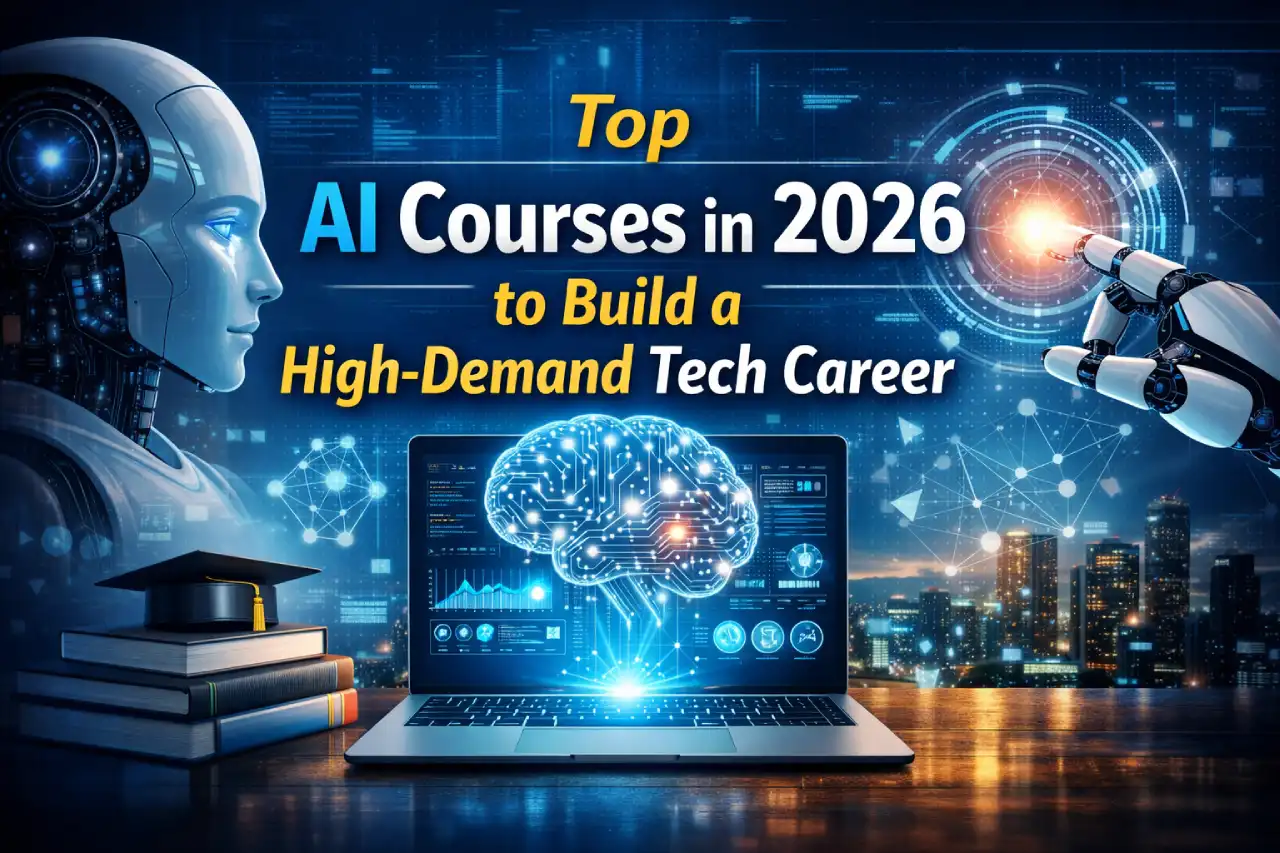
Top AI Courses in 2026 to Build a High-Demand Tech Career

Top AI Courses in 2026 to Build a High-Demand Tech Career

Artificial Intelligence is no longer just a buzzword. It has become a core skill across industries such as IT, healthcare, finance, education, manufacturing, and even government services. In 2026, professionals who understand AI concepts like machine learning, data science, and neural networks will have a clear advantage in the job market. Choosing the right online course can help learners build strong foundations and practical skills without leaving their homes.

I am writing about this topic because many students and working professionals ask where to start with AI and which platforms offer reliable learning paths. With so many options available, it is easy to feel confused. This article aims to simplify that choice by highlighting some of the best online courses and platforms that are trusted, practical, and future-focused.

Why Learning Artificial Intelligence in 2026 Makes Sense

AI is being used to automate tasks, improve decision-making, and create smarter systems.

Companies are actively hiring AI engineers, data scientists, and machine learning specialists.

Even non-technical roles now benefit from basic AI understanding.

Learning AI opens doors to high-paying and future-proof careers.

What to Look for in an AI Course

Before enrolling, check if the course offers:

  • Beginner to advanced level structure
  • Hands-on projects
  • Industry-recognised certification
  • Updated curriculum
  • Mentor or instructor support

These factors make a big difference in learning outcomes.

Google AI Professional Certificate

This programme focuses on practical AI and machine learning skills.

It covers Python, data analysis, and model building.

Suitable for beginners and career switchers.

IBM Applied AI Professional Certificate

Offers a strong foundation in AI concepts.

Includes chatbots, computer vision, and machine learning.

Good balance of theory and practice.

Microsoft AI and Machine Learning Courses

Designed for learners who want to use AI tools on cloud platforms.

Covers Azure AI services, data modelling, and deployment.

Useful for those targeting enterprise-level jobs.

Coursera Machine Learning Specialisation

Created by experienced AI educators.

Focuses on supervised and unsupervised learning.

Highly respected in the tech community.

Udacity AI Nanodegree Program

Project-based learning approach.

Covers deep learning, neural networks, and real-world applications.

Best for learners who want intensive training.

edX Artificial Intelligence MicroMasters

University-level curriculum.

Includes algorithms, robotics, and data science.

Good choice for serious learners.

Simplilearn AI Engineer Program

Industry-aligned training.

Includes live classes and capstone projects.

Popular among Indian learners.

How to Choose the Right Course for You

If you are a beginner, start with foundation-level courses.

If you have programming knowledge, choose advanced tracks.

Consider your career goal before enrolling.

Check reviews and course outcomes.

Tips to Succeed While Learning AI

  • Practise coding regularly
  • Work on small projects
  • Join online communities
  • Stay updated with trends

Consistency is key.

Career Options After Learning AI

  • AI Engineer
  • Machine Learning Engineer
  • Data Scientist
  • AI Research Assistant
  • Business Intelligence Analyst

These roles offer strong growth.

Leave a Comment

End of Article

Career vs Job Explained Clearly: Key Differences, Examples and How to Choose the Right Path

Career vs Job Explained Clearly: Key Differences, Examples and How to Choose the Right Path

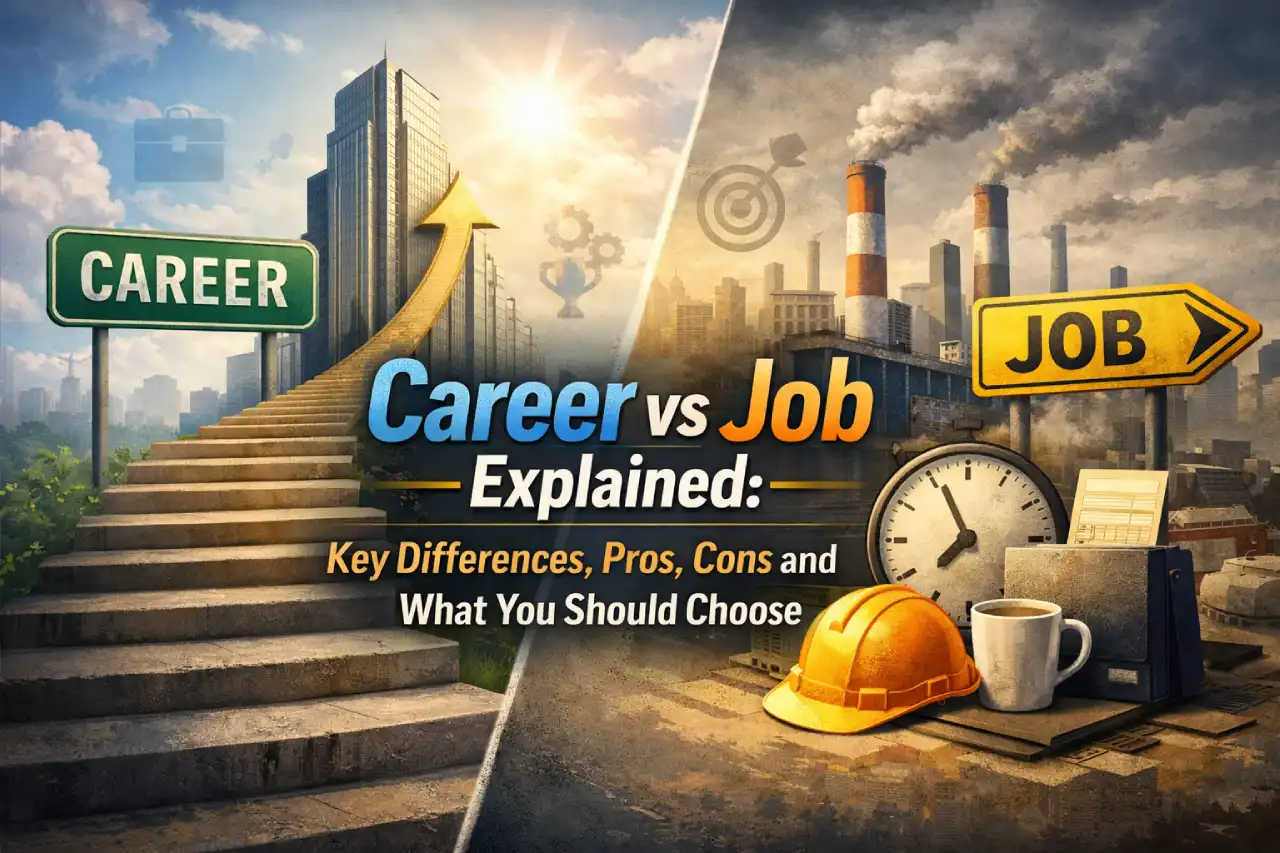
If you are confused between a job and a career, you are not alone. Many people use these two words interchangeably, but they actually mean different things. A job is something you do to earn money, usually for a short-term purpose, while a career is a long-term journey built around your skills, interests, and goals. Understanding this difference is important, especially if you are planning your future or thinking about what you really want to achieve in life.

I am writing about this because I have seen many students and even working professionals struggle with this confusion. Some people jump from one job to another without direction, while others feel stuck because they are not sure what they are working towards. Knowing the difference between a job and a career can help you make better decisions, stay focused, and build a path that gives both financial stability and personal satisfaction.

What is a Job

A job is a role where you work for a company or organisation in exchange for money.

Key features of a job:

  • Short-term focus
  • Mainly done to earn income
  • Limited connection with long-term goals
  • Fixed responsibilities
  • Less emphasis on growth or passion

For example, working as a cashier, delivery executive, or temporary office assistant can be considered a job.

What is a Career

A career is a long-term professional journey where you grow, learn, and build your identity over time.

Key features of a career:

  • Long-term vision
  • Focus on growth and development
  • Connected with your interests and skills
  • Offers progression and opportunities
  • Builds expertise over time

For example, becoming a teacher, engineer, doctor, or writer is part of a career path.

Career vs Job: Key Differences

Here is a simple comparison to understand the difference clearly:

AspectJobCareer
DurationShort-termLong-term
PurposeEarn moneyBuild future
GrowthLimitedContinuous
MotivationSalaryPassion + growth
StabilityTemporaryMore stable over time

From my perspective, a job can be a part of your career, but not every job leads to a meaningful career.

Can a Job Become a Career

Yes, a job can turn into a career if you approach it with the right mindset.

  • If you learn new skills in your job
  • If you grow within the same field
  • If you set long-term goals

For example, starting as a junior employee and growing into a manager or expert can turn a job into a career.

Why Understanding the Difference Matters

Knowing the difference can help you:

  • Make better career decisions
  • Avoid feeling lost or stuck
  • Choose jobs that align with your goals
  • Plan your future more effectively

In my opinion, this clarity can save you years of confusion and frustration.

How to Choose Between a Job and a Career

If you are just starting out, it is okay to take a job. But over time, you should think about building a career.

Ask yourself:

  • What are my interests and strengths
  • Where do I see myself in 5 or 10 years
  • Am I learning something valuable in my current role
  • Does this job help me grow

Your answers will guide your decisions.

Common Mistakes People Make

Many people unknowingly make these mistakes:

  • Choosing jobs only based on salary
  • Not planning long-term goals
  • Ignoring skill development
  • Staying in comfort zones for too long

From what I have seen, avoiding these mistakes can make a big difference in your journey.

Tips to Build a Strong Career

If you want to move from a job mindset to a career mindset, here are some simple tips:

  • Keep learning and upgrading your skills
  • Set clear long-term goals
  • Network with people in your field
  • Take calculated risks
  • Stay consistent and patient

Building a career takes time, but it is worth the effort.

Leave a Comment

End of Article

Loading more posts...