JOIN WHATSAPP
STORIES

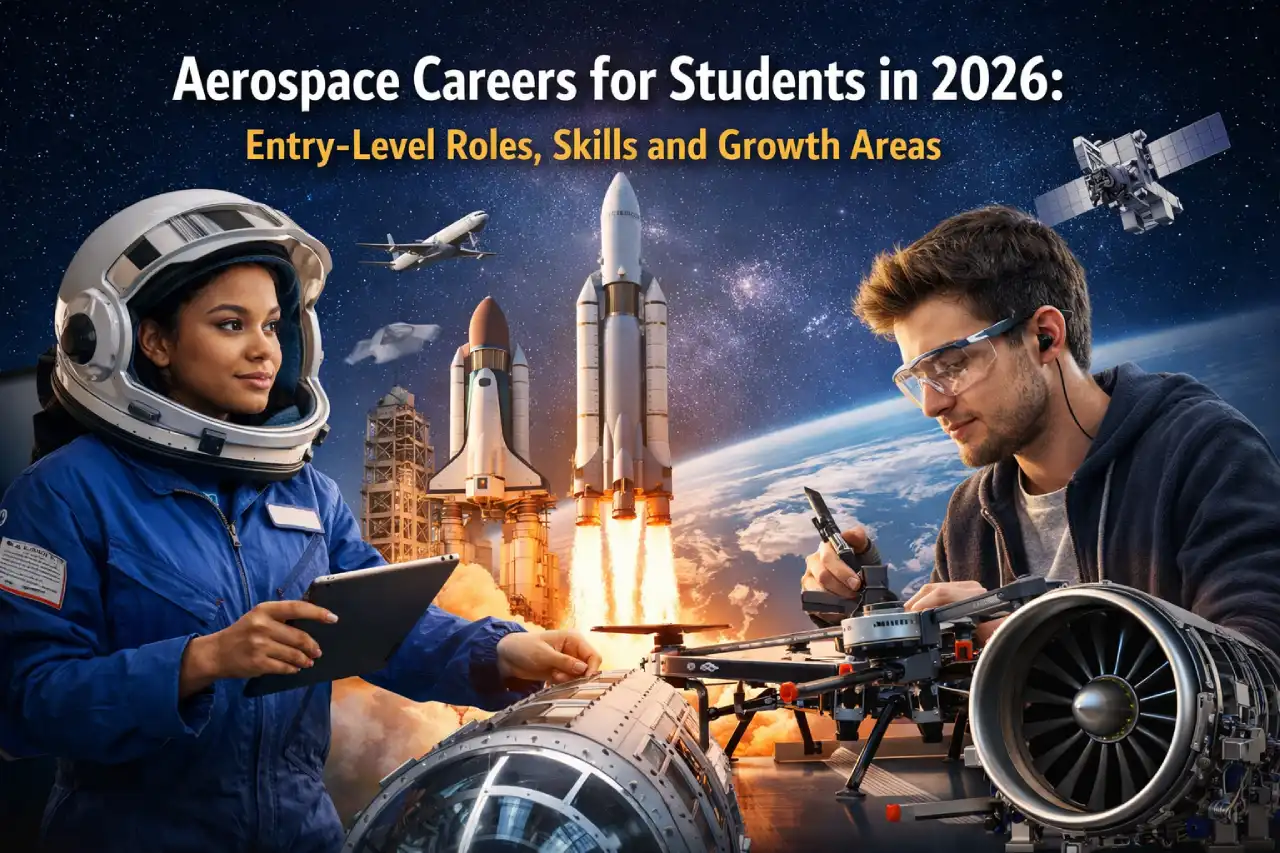
Aerospace Careers for Students in 2026: Entry-Level Roles, Skills and Growth Areas

Aerospace Careers for Students in 2026: Entry-Level Roles, Skills and Growth Areas

The aerospace sector is entering a strong growth phase, and 2026 is shaping up to be an exciting year for students who want to build careers in this field. With increased focus on space missions, defence manufacturing, commercial aviation, drones, and satellite technology, aerospace is no longer a niche industry. What makes this moment interesting is that the sector is opening up to students and fresh graduates through internships, entry-level engineering roles, data-driven positions, and operations-focused jobs.

I am writing about aerospace jobs because many students still think this sector is out of reach unless you study at elite institutions or have years of experience. That perception is changing fast. Companies now need a wide range of skills, not just rocket science. Understanding where opportunities exist in 2026 can help students choose the right courses, projects, and internships early, instead of discovering these options too late.

Why Aerospace Is Growing in 2026

The demand for aerospace professionals is being driven by multiple factors. Governments are increasing investment in defence and space programmes, private companies are entering satellite and launch services, and aviation is recovering strongly after years of slowdown. India’s push for domestic manufacturing and self-reliance has also created new roles across design, production, testing, and support functions.

For students, this means more openings at junior levels than ever before.

Entry-Level Engineering Roles for Students

Engineering graduates continue to form the backbone of the aerospace workforce. In 2026, students can expect opportunities in areas such as:

  • Aerospace and mechanical design support
  • Manufacturing and quality engineering
  • Testing and validation assistance
  • Systems integration and maintenance

Many of these roles focus on practical application rather than advanced research, making them suitable for freshers with strong fundamentals.

Space and Satellite Technology Jobs

The space sector is no longer limited to government agencies. Private players working on satellites, launch vehicles, and space data services are hiring young talent. Students can find roles in:

  • Satellite operations and monitoring
  • Mission planning support
  • Payload testing and integration
  • Ground systems and communication

Even students from electronics, computer science, and data backgrounds are finding entry points here.

Drone and Unmanned Systems Careers

One of the fastest-growing aerospace sub-sectors is drones and unmanned aerial systems. This area is especially student-friendly because of its startup-driven ecosystem.

Common roles include:

  • Drone design and assembly support
  • Flight testing and data analysis
  • Software and control systems development
  • Operations and compliance roles

Hands-on project experience can make a big difference in this segment.

Data, Software and Simulation Roles

Aerospace is increasingly software-driven. Simulation, digital twins, data analytics, and automation are now core to aircraft and space systems.

Students with skills in:

  • Programming and modelling
  • Data analysis and visualisation
  • AI and simulation tools

can enter aerospace through non-traditional but equally important roles.

Skills Students Should Focus On

To prepare for aerospace jobs in 2026, students should work on:

  • Strong fundamentals in maths and physics
  • Practical project work and internships
  • Familiarity with design, simulation, or analysis tools
  • Problem-solving and teamwork skills
  • Awareness of safety and quality standards

I personally feel that hands-on learning and curiosity matter more than perfect grades in this sector.

Challenges Students Should Be Aware Of

Aerospace is still a highly regulated industry, and hiring cycles can be slow. Students should be patient and prepared for rigorous selection processes. Continuous learning and flexibility are key, as technologies evolve rapidly.


Leave a Comment

End of Article

Career vs Job Explained Clearly: Key Differences, Examples and How to Choose the Right Path

Career vs Job Explained Clearly: Key Differences, Examples and How to Choose the Right Path

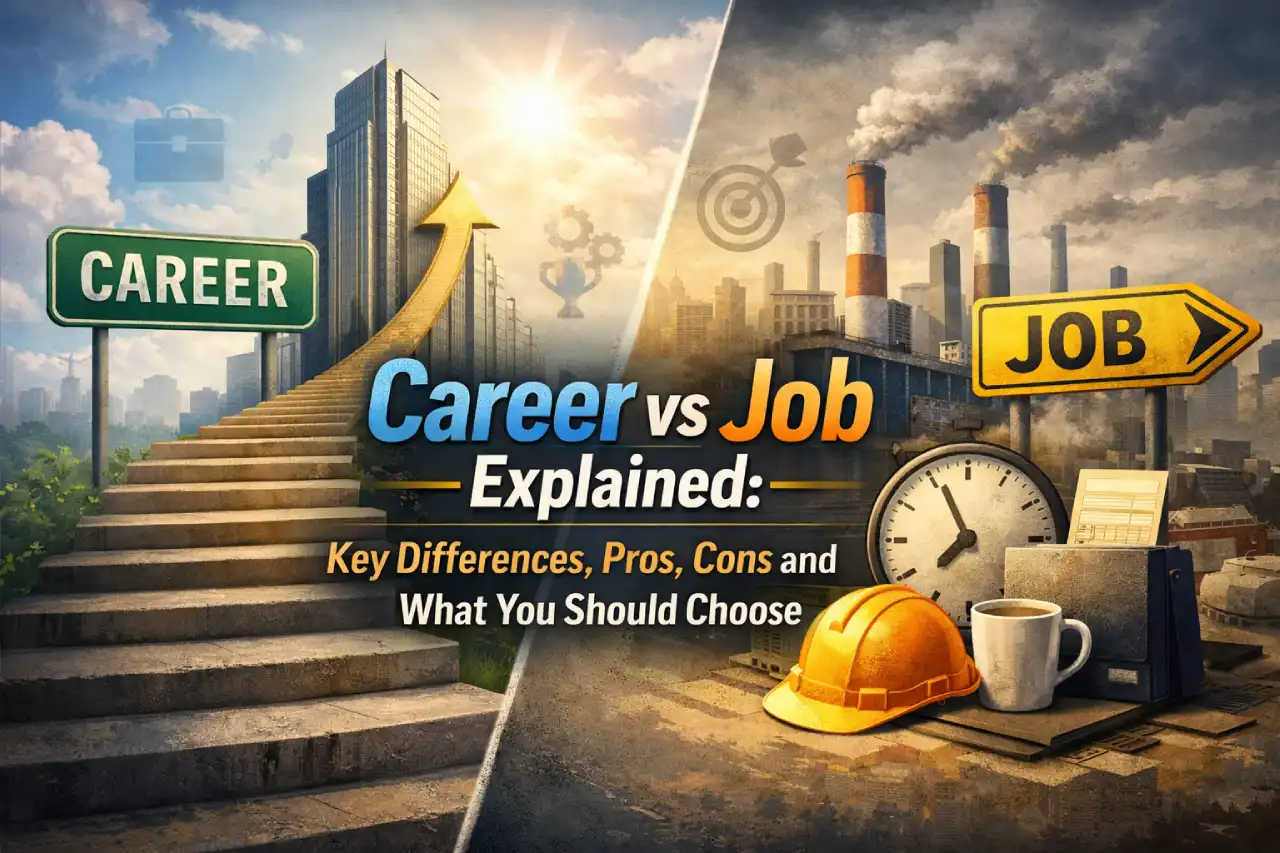
If you are confused between a job and a career, you are not alone. Many people use these two words interchangeably, but they actually mean different things. A job is something you do to earn money, usually for a short-term purpose, while a career is a long-term journey built around your skills, interests, and goals. Understanding this difference is important, especially if you are planning your future or thinking about what you really want to achieve in life.

I am writing about this because I have seen many students and even working professionals struggle with this confusion. Some people jump from one job to another without direction, while others feel stuck because they are not sure what they are working towards. Knowing the difference between a job and a career can help you make better decisions, stay focused, and build a path that gives both financial stability and personal satisfaction.

What is a Job

A job is a role where you work for a company or organisation in exchange for money.

Key features of a job:

  • Short-term focus
  • Mainly done to earn income
  • Limited connection with long-term goals
  • Fixed responsibilities
  • Less emphasis on growth or passion

For example, working as a cashier, delivery executive, or temporary office assistant can be considered a job.

What is a Career

A career is a long-term professional journey where you grow, learn, and build your identity over time.

Key features of a career:

  • Long-term vision
  • Focus on growth and development
  • Connected with your interests and skills
  • Offers progression and opportunities
  • Builds expertise over time

For example, becoming a teacher, engineer, doctor, or writer is part of a career path.

Career vs Job: Key Differences

Here is a simple comparison to understand the difference clearly:

AspectJobCareer
DurationShort-termLong-term
PurposeEarn moneyBuild future
GrowthLimitedContinuous
MotivationSalaryPassion + growth
StabilityTemporaryMore stable over time

From my perspective, a job can be a part of your career, but not every job leads to a meaningful career.

Can a Job Become a Career

Yes, a job can turn into a career if you approach it with the right mindset.

  • If you learn new skills in your job
  • If you grow within the same field
  • If you set long-term goals

For example, starting as a junior employee and growing into a manager or expert can turn a job into a career.

Why Understanding the Difference Matters

Knowing the difference can help you:

  • Make better career decisions
  • Avoid feeling lost or stuck
  • Choose jobs that align with your goals
  • Plan your future more effectively

In my opinion, this clarity can save you years of confusion and frustration.

How to Choose Between a Job and a Career

If you are just starting out, it is okay to take a job. But over time, you should think about building a career.

Ask yourself:

  • What are my interests and strengths
  • Where do I see myself in 5 or 10 years
  • Am I learning something valuable in my current role
  • Does this job help me grow

Your answers will guide your decisions.

Common Mistakes People Make

Many people unknowingly make these mistakes:

  • Choosing jobs only based on salary
  • Not planning long-term goals
  • Ignoring skill development
  • Staying in comfort zones for too long

From what I have seen, avoiding these mistakes can make a big difference in your journey.

Tips to Build a Strong Career

If you want to move from a job mindset to a career mindset, here are some simple tips:

  • Keep learning and upgrading your skills
  • Set clear long-term goals
  • Network with people in your field
  • Take calculated risks
  • Stay consistent and patient

Building a career takes time, but it is worth the effort.

Leave a Comment

End of Article

Loading more posts...