JOIN WHATSAPP
STORIES

Artificial Intelligence as a Career in 2026: Scope, Skills and Job Reality

Artificial Intelligence as a Career in 2026: Scope, Skills and Job Reality

Artificial Intelligence, often called AI, has moved from being a buzzword to a real part of everyday life. From smartphones and online shopping to healthcare and education, AI tools are now everywhere. As we move into 2026, many students are asking a simple but important question: is Artificial Intelligence a good career choice? The short answer is yes, but only if students understand what the field actually demands and where it is headed.

I am writing about this topic because I often see students choosing AI just because it sounds futuristic or high-paying. While AI does offer strong career opportunities, it is not an easy shortcut to success. It requires continuous learning, problem-solving skills, and patience. Knowing the reality behind AI careers is important so students can make informed decisions instead of following trends blindly.

Why Artificial Intelligence Is Growing So Fast

AI is growing rapidly because industries are using data and automation to improve efficiency and decision-making. Companies want systems that can analyse data faster, predict outcomes, and reduce human error.

AI is being used in:

  • Healthcare for diagnosis and treatment planning
  • Finance for fraud detection and risk analysis
  • Education for personalised learning
  • Manufacturing for automation and quality control
  • Customer service through chatbots and virtual assistants

This wide usage is one of the main reasons AI-related roles are increasing.

Career Opportunities in Artificial Intelligence

AI is not a single job role. It is a broad field with multiple career paths depending on skills and interests.

Some common AI-related roles include:

  • Machine learning engineer
  • Data scientist
  • AI research analyst
  • Software developer with AI specialisation
  • AI product or business analyst

Students can enter AI from different backgrounds such as engineering, computer science, mathematics, or even economics with proper training.

Skills Students Need for an AI Career

AI is skill-heavy. Degrees alone are not enough. Students need a strong foundation and practical exposure.

Important skills include:

  • Programming languages like Python
  • Basic understanding of mathematics and statistics
  • Logical thinking and problem-solving
  • Data handling and analysis
  • Willingness to keep learning as technology changes

In 2026, employers are more focused on what you can do rather than where you studied.

Is AI Only for Toppers or Coding Experts?

This is a common fear among students. AI is challenging, but it is not limited to toppers or genius coders. What matters more is interest and consistency.

Students who succeed in AI usually:

  • Enjoy solving problems
  • Are comfortable learning new tools
  • Practise regularly through projects
  • Accept that learning takes time

Even average students can build strong AI careers if they stay disciplined and curious.

Job Demand and Salary Reality in 2026

AI jobs generally offer good pay, but not everyone starts with a high salary. Freshers may begin with moderate packages and grow with experience.

The demand is strong, but competition is also high. Students who rely only on certificates without real skills may struggle. Those with practical projects, internships, and clear understanding stand out.

AI is not a guaranteed shortcut to money, but it does offer long-term growth for skilled professionals.

Challenges Students Should Be Aware Of

AI is not a smooth ride for everyone. There are real challenges.

Some common issues include:

  • Fast-changing technology
  • Pressure to constantly upgrade skills
  • High expectations from employers
  • Confusion due to too many online courses

Students should avoid rushing and focus on building strong fundamentals instead of chasing every new trend.

How Students Can Start Preparing Now

Students interested in AI should start small and stay consistent.

Good starting steps include:

  • Learning basic programming
  • Understanding how data works
  • Doing small projects
  • Following real-world use cases of AI
  • Avoiding shortcuts and unrealistic promises

Early clarity makes the journey easier.

Leave a Comment

End of Article

Career vs Job Explained Clearly: Key Differences, Examples and How to Choose the Right Path

Career vs Job Explained Clearly: Key Differences, Examples and How to Choose the Right Path

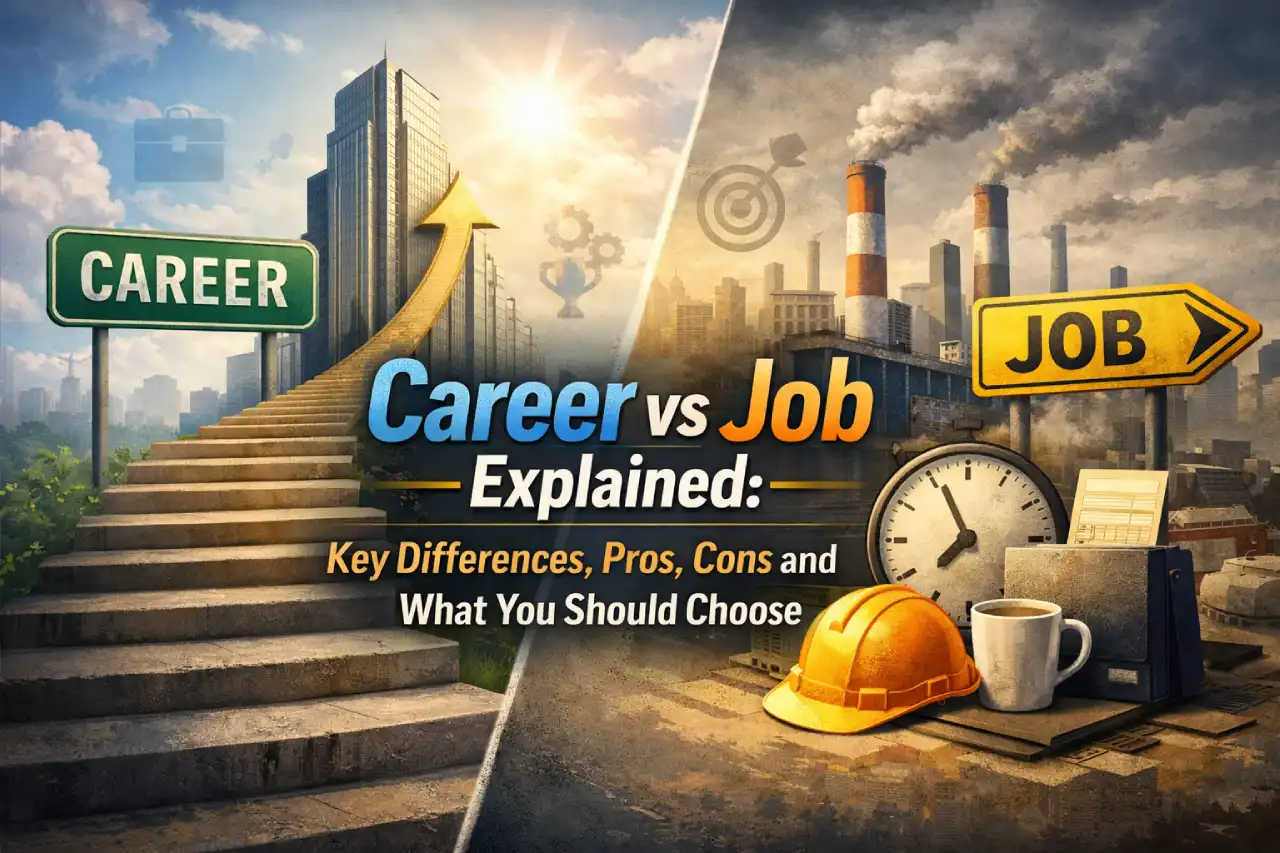
If you are confused between a job and a career, you are not alone. Many people use these two words interchangeably, but they actually mean different things. A job is something you do to earn money, usually for a short-term purpose, while a career is a long-term journey built around your skills, interests, and goals. Understanding this difference is important, especially if you are planning your future or thinking about what you really want to achieve in life.

I am writing about this because I have seen many students and even working professionals struggle with this confusion. Some people jump from one job to another without direction, while others feel stuck because they are not sure what they are working towards. Knowing the difference between a job and a career can help you make better decisions, stay focused, and build a path that gives both financial stability and personal satisfaction.

What is a Job

A job is a role where you work for a company or organisation in exchange for money.

Key features of a job:

  • Short-term focus
  • Mainly done to earn income
  • Limited connection with long-term goals
  • Fixed responsibilities
  • Less emphasis on growth or passion

For example, working as a cashier, delivery executive, or temporary office assistant can be considered a job.

What is a Career

A career is a long-term professional journey where you grow, learn, and build your identity over time.

Key features of a career:

  • Long-term vision
  • Focus on growth and development
  • Connected with your interests and skills
  • Offers progression and opportunities
  • Builds expertise over time

For example, becoming a teacher, engineer, doctor, or writer is part of a career path.

Career vs Job: Key Differences

Here is a simple comparison to understand the difference clearly:

AspectJobCareer
DurationShort-termLong-term
PurposeEarn moneyBuild future
GrowthLimitedContinuous
MotivationSalaryPassion + growth
StabilityTemporaryMore stable over time

From my perspective, a job can be a part of your career, but not every job leads to a meaningful career.

Can a Job Become a Career

Yes, a job can turn into a career if you approach it with the right mindset.

  • If you learn new skills in your job
  • If you grow within the same field
  • If you set long-term goals

For example, starting as a junior employee and growing into a manager or expert can turn a job into a career.

Why Understanding the Difference Matters

Knowing the difference can help you:

  • Make better career decisions
  • Avoid feeling lost or stuck
  • Choose jobs that align with your goals
  • Plan your future more effectively

In my opinion, this clarity can save you years of confusion and frustration.

How to Choose Between a Job and a Career

If you are just starting out, it is okay to take a job. But over time, you should think about building a career.

Ask yourself:

  • What are my interests and strengths
  • Where do I see myself in 5 or 10 years
  • Am I learning something valuable in my current role
  • Does this job help me grow

Your answers will guide your decisions.

Common Mistakes People Make

Many people unknowingly make these mistakes:

  • Choosing jobs only based on salary
  • Not planning long-term goals
  • Ignoring skill development
  • Staying in comfort zones for too long

From what I have seen, avoiding these mistakes can make a big difference in your journey.

Tips to Build a Strong Career

If you want to move from a job mindset to a career mindset, here are some simple tips:

  • Keep learning and upgrading your skills
  • Set clear long-term goals
  • Network with people in your field
  • Take calculated risks
  • Stay consistent and patient

Building a career takes time, but it is worth the effort.

Leave a Comment

End of Article

Loading more posts...