JOIN WHATSAPP
STORIES

ASEAN Senior Officials Unite to Push Forward Regional Education Agenda

ASEAN Senior Officials Unite to Push Forward Regional Education Agenda

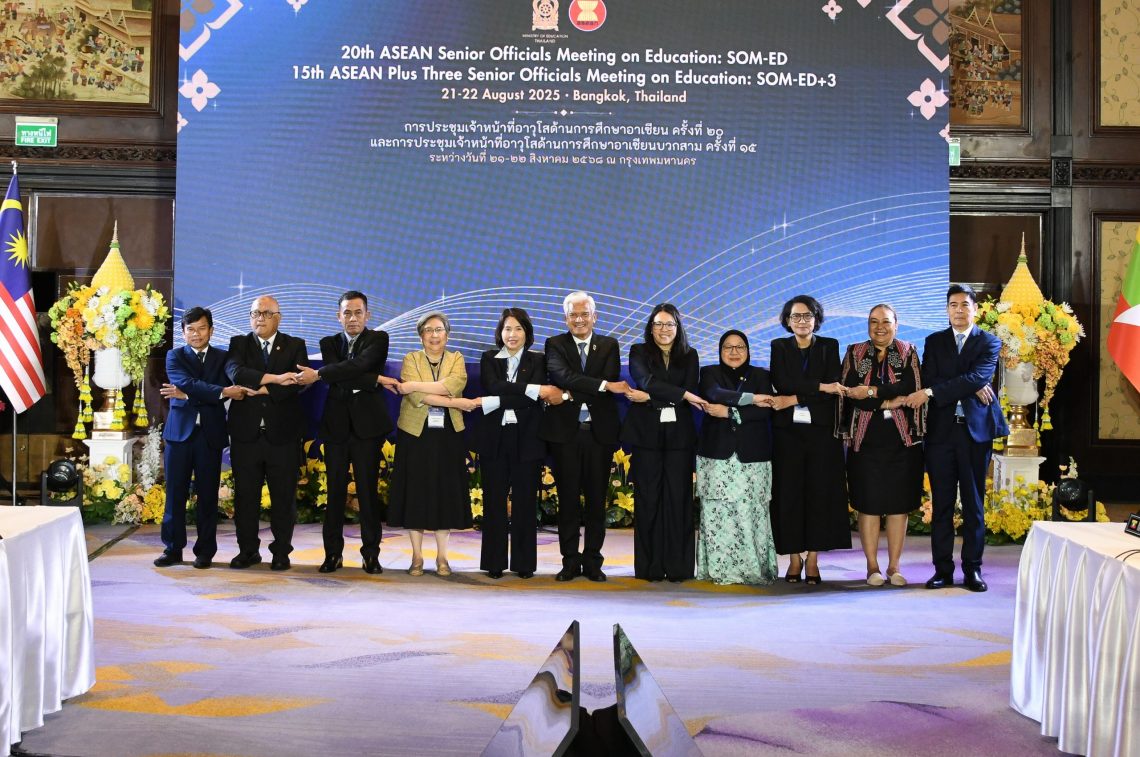
Senior education officials from ASEAN member states recently came together to discuss the future of regional cooperation in education. The meeting focused on strengthening collaboration, promoting digital learning, and supporting skills development for the youth across Southeast Asia. The discussions also highlighted the need to share resources and experiences to ensure education remains inclusive and adaptable to global changes.

I chose to write on this because regional cooperation in education is not something that gets mainstream attention, yet it has a huge impact on how countries prepare their students for the future. When ASEAN nations work together, they share not only policies but also practical solutions that can benefit millions of learners. For example, smaller nations can access best practices from larger ones, while more developed education systems can also learn from community-driven approaches in rural schools. It is important to know about such meetings because they decide the direction of education reforms in the region. By understanding this, we as readers can see how local developments are often part of a much larger plan that connects countries through shared goals in education.

Key goals of the ASEAN education meeting

The officials focused on several pressing issues, including:

  • Strengthening regional cooperation – pooling resources and knowledge among ASEAN countries
  • Promoting digital learning – supporting e-learning platforms for both urban and rural communities
  • Skills development for youth – aligning education with the future job market needs
  • Inclusive education – ensuring access for marginalised groups and rural learners
  • Sharing best practices – creating a framework where member states can learn from each other

Why digital and skills-based learning took centre stage

The meeting emphasised the importance of preparing students for the changing world of work. With digital technologies reshaping every sector, ASEAN nations agreed that schools and universities need to move beyond traditional teaching. This means integrating more practical skills, encouraging innovation, and making sure students can adapt to global opportunities.

The importance of regional cooperation in education

Education challenges like access gaps, lack of digital resources, or outdated curriculum are not unique to one country. By working together, ASEAN members can reduce duplication of efforts and create shared solutions. For instance, a successful e-learning programme in one country can be adapted and used in others. This way, progress is faster and more cost-effective.

Impact on students and teachers

If implemented well, the outcomes of this meeting can directly benefit students by giving them more opportunities to learn through technology and regional exchanges. Teachers too can gain from shared training programmes and cross-country collaborations. In the long term, it can raise the overall standard of education across Southeast Asia, making the region more competitive globally.

Leave a Comment

End of Article

Maharashtra to Recruit 5,500 Assistant Professors by June: Minister Chandrakant Patil Gives Timeline

Maharashtra to Recruit 5,500 Assistant Professors by June: Minister Chandrakant Patil Gives Timeline

Maharashtra’s Higher Education Minister Chandrakant Patil has assured that the long-awaited recruitment of 5,500 assistant professors across state universities will be completed by June 2026. This announcement comes after the initial deadline of March was missed due to administrative and procedural delays. The recruitment drive is aimed at filling vacant teaching positions in government and aided institutions, which have been affecting the quality of education and overall academic functioning in the state.

I am writing about this because faculty shortages have been a major concern in higher education for quite some time. From what I have seen, students often struggle due to a lack of permanent teachers, which directly impacts classroom learning and research opportunities. This update is important not just for job aspirants but also for students and institutions, as it promises to improve the student-teacher ratio and bring stability to the academic environment.

What the Minister Announced

Higher Education Minister Chandrakant Patil has clearly stated that the recruitment process is now on track.

Key points from the announcement:

  • 5,500 assistant professor posts to be filled
  • New deadline set for June 2026
  • Delay caused by administrative and procedural issues
  • Recruitment to cover multiple universities and colleges

The government has assured that efforts are being made to complete the process without further delay.

Why the Recruitment Was Delayed

The recruitment drive was initially expected to be completed by March but faced several challenges.

Some major reasons include:

  • Complexities in finalising eligibility criteria
  • Large number of applications to be reviewed
  • Scheduling of examinations and interviews
  • Inclusion of newly established colleges and institutions

From my understanding, these delays are common in large-scale recruitment, but they often create uncertainty among candidates.

Role of MPSC in the Recruitment Process

The Maharashtra Public Service Commission (MPSC) is handling the recruitment process.

  • Responsible for conducting exams and interviews
  • Ensures selection based on merit and transparency
  • Evaluates academic qualifications and performance

The commission is currently working to finalise the list of eligible candidates.

Selection Process Explained

The recruitment will follow a structured and rigorous selection process.

  • Screening of applications
  • Evaluation of academic credentials
  • Interviews conducted as per guidelines
  • Final selection based on merit

This process is aligned with University Grants Commission (UGC) norms.

Why This Recruitment is Important

Filling these vacancies is crucial for improving higher education in the state.

  • Helps improve student-teacher ratio
  • Ensures better classroom interaction and learning
  • Strengthens research and academic output
  • Provides stability in teaching staff

In my opinion, qualified faculty is the backbone of any strong education system.

Concerns Raised by Students and Academic Bodies

There have been growing concerns regarding the delay.

  • Student unions have highlighted lack of teachers
  • Academic bodies have raised issues about declining quality
  • Vacant posts affecting regular classes and research work

The latest assurance from the government is expected to address these concerns.

Government’s Broader Education Plan

The recruitment is part of a larger plan to improve higher education.

  • Focus on strengthening infrastructure and resources
  • Bringing in skilled and experienced faculty
  • Improving overall education standards
  • Aligning with future academic and industry needs

The government aims to create a more competitive and modern education system.

Key Highlights at a Glance

ParticularsDetails
Total Vacancies5,500 Assistant Professors
Revised DeadlineJune 2026
Conducting AuthorityMPSC
Recruitment TypeGovernment & Aided Institutions
Selection ProcessMerit-based with interviews

What This Means for Aspirants

For candidates waiting for these jobs, this update is quite important.

  • Recruitment process is moving forward
  • Clear timeline now available
  • Opportunity to secure teaching positions
  • Need to stay prepared for upcoming stages

From what I have seen, staying updated and prepared is key during such recruitment cycles.

Leave a Comment

End of Article

Loading more posts...