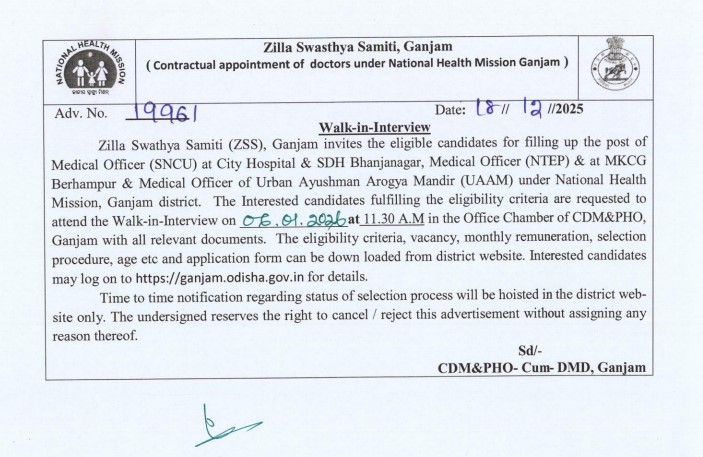
Government jobs after graduation continue to be one of the most searched career options among Indian youth, and 2026 is expected to offer even more opportunities across sectors. From civil services and banking to defence, railways, and PSUs, graduates from almost every stream can apply for well-paying and stable government roles. These jobs are known for job security, fixed working hours, social respect, and long-term benefits.
I am writing about the top government jobs after graduation in 2026 because many students complete their degree without a clear idea of what to aim for next. In my interaction with graduates, a common confusion I see is not lack of ambition, but lack of structured information. Some start preparing too late, while others prepare for the wrong exams. Knowing the major exams, eligibility, and career growth in advance helps graduates plan better. With competition increasing every year, clarity at the right time can save years of effort. This article is meant to give a clear, practical overview so graduates can choose the right path based on interest, background, and long-term goals.
Civil Services Jobs Through UPSC
Civil services remain the most prestigious government jobs in India. Graduates from any recognised discipline can apply for the UPSC Civil Services Examination.
Popular posts include IAS, IPS, IFS, IRS and other Group A services. These roles offer high responsibility, decision-making power, and nationwide exposure. Preparation usually takes one to two years and requires consistent study and answer writing practice.
Banking Jobs for Graduates
Banking jobs are among the most preferred options due to regular recruitment and structured career growth. Graduates can apply for exams conducted by IBPS, SBI, and RBI.
Common posts include Probationary Officer, Clerk, Specialist Officer, and RBI Grade B Officer. These jobs offer good salary packages, promotions, and transfers across India.
SSC Jobs After Graduation
The Staff Selection Commission conducts multiple exams for graduate-level posts in central government departments.
Popular exams include SSC CGL, SSC CHSL, SSC CPO, and SSC GD for certain roles. Jobs through SSC include Income Tax Officer, Assistant Section Officer, Inspector, and Auditor. These roles are ideal for graduates looking for desk-based government work with steady growth.
Defence Jobs After Graduation
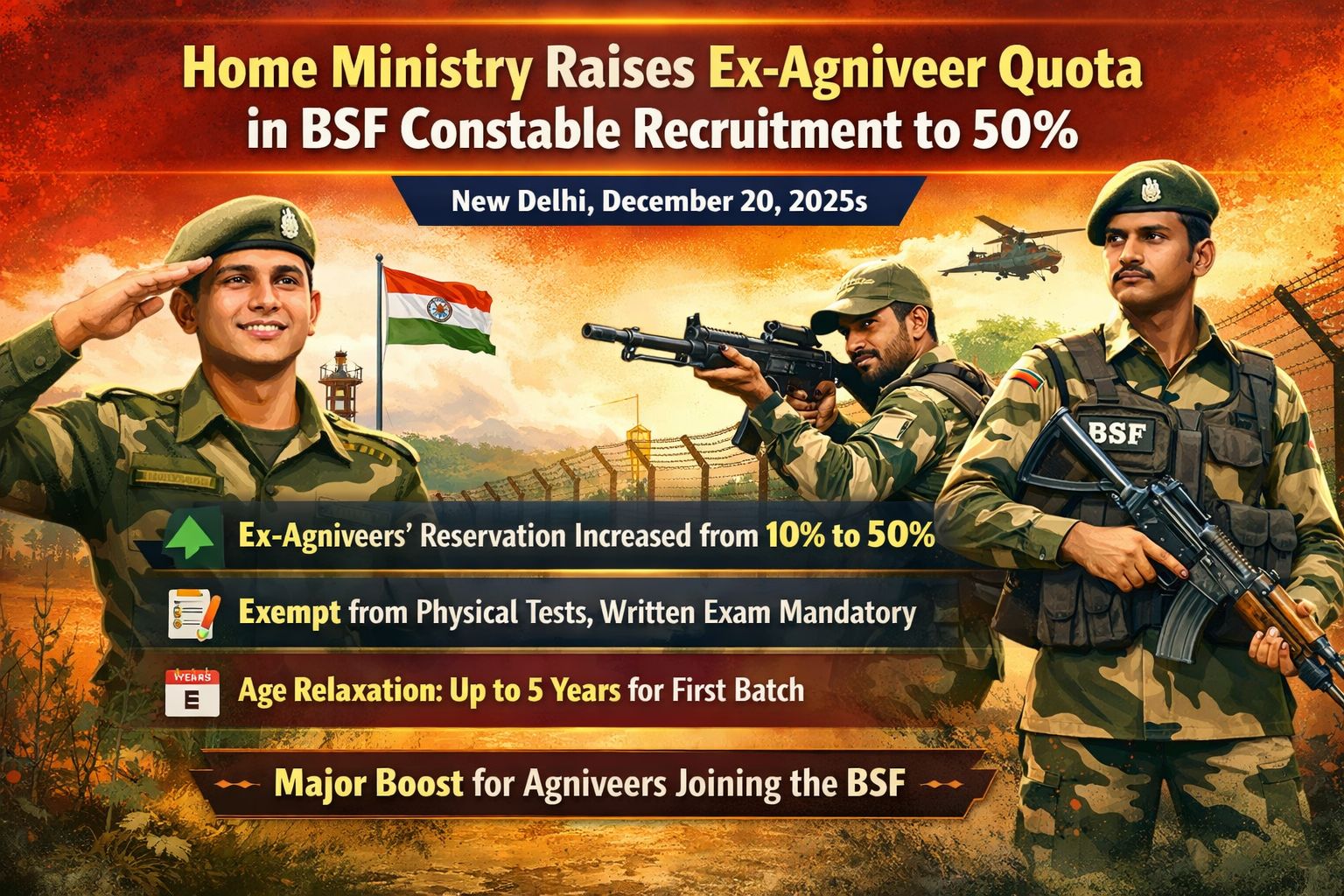
Graduates interested in uniformed services can explore defence jobs through CDS, AFCAT, and technical entries.
Posts are available in the Indian Army, Navy, and Air Force. Defence jobs demand physical fitness, discipline, and leadership skills, but they also offer adventure, respect, and a strong sense of purpose.
Teaching and Academic Jobs
Graduates can also build a stable government career in education by appearing for exams like CTET, State TETs, and later UGC NET after post-graduation.
Teaching jobs in government schools and colleges offer fixed working hours, holidays, and long-term stability. Many graduates choose this path for work-life balance.
Railway Jobs for Graduates
Indian Railways is one of the largest recruiters in the country. Graduate-level posts are filled through RRB NTPC and other specialised exams.
Jobs include Station Master, Goods Guard, Traffic Assistant, and Senior Clerk. Railway jobs are known for strong service benefits and nationwide postings.
PSU Jobs Through Competitive Exams
Public Sector Undertakings recruit graduates through exams like GATE, CLAT, and their own recruitment tests.
Companies like ONGC, NTPC, BHEL, IOCL, and Coal India offer technical and management roles with high pay and excellent facilities. Engineering and management graduates mostly target PSU jobs.
State Government Jobs
Every state conducts its own recruitment for administrative, police, revenue, and departmental posts.
Graduates can apply through State PSC exams, state SSCs, and departmental notifications. These jobs are suitable for candidates who prefer working within their home state.
How to Choose the Right Government Job in 2026
Before starting preparation, graduates should consider:
- Their educational background
- Interest in fieldwork or desk jobs
- Willingness to relocate
- Long-term career growth
- Time available for preparation
Choosing one or two exams and preparing with focus gives better results than preparing for many at once.