JOIN WHATSAPP
STORIES

BSc Nursing vs BSc Paramedical — Which Course is the Right Choice for Your Healthcare Career?

BSc Nursing vs BSc Paramedical — Which Course is the Right Choice for Your Healthcare Career?

When it comes to entering the healthcare field, two popular undergraduate options are BSc Nursing and BSc Paramedical. Both are respected courses with excellent job opportunities, but they prepare you for very different roles. BSc Nursing focuses on patient care, medical assistance, and hospital-based services, while BSc Paramedical trains you in diagnostic, technical, and emergency support areas like laboratory work, radiology, and operation theatre technology.

I’m writing about this because I often see students confused between these two courses, thinking they are similar just because both are in the medical stream. In reality, your career path, work environment, and required skill set will differ significantly depending on your choice. Choosing the right one depends on your personal strengths, interest in direct patient care versus technical diagnostics, and the type of work-life balance you want. A well-informed decision now can save you from career dissatisfaction later.

Understanding the Courses

BSc Nursing

  • Duration: 4 years
  • Focus: Patient care, bedside assistance, medication administration, health education
  • Admission: NEET-UG or state-level entrance exams
  • Career Options: Staff nurse, nurse educator, community health nurse, ICU nurse, nursing supervisor

BSc Paramedical

  • Duration: 3–4 years depending on the specialisation
  • Focus: Diagnostic procedures, lab testing, imaging, emergency medical services
  • Admission: CUET, NEET-UG, or institution-level entrance tests
  • Career Options: Lab technician, radiographer, OT technician, dialysis technologist, emergency care assistant

Key Differences at a Glance

FeatureBSc NursingBSc Paramedical
Work RoleDirect patient careTechnical & diagnostic support
Duration4 years3–4 years
Entrance ExamNEET-UG / State-levelCUET / NEET-UG / Others
Salary Range (Freshers)₹3–5 LPA₹2.5–4.5 LPA
Growth OpportunitiesHigh demand globallyExpanding demand with technology

Which One Should You Choose?

If you are compassionate, patient, and comfortable working closely with people in distress, BSc Nursing might be your calling. It offers steady job demand both in India and abroad. On the other hand, if you prefer working with medical technology, conducting tests, or being part of emergency care teams without being directly responsible for bedside patient care, BSc Paramedical can be a great choice.

Both courses are rewarding and play vital roles in the healthcare system. The right choice depends on your interests, strengths, and long-term career vision. Take time to research the syllabus, career growth, and daily responsibilities before making a decision.

Leave a Comment

End of Article

Top Aerospace Jobs for 2026 Graduates: High-Demand Roles, Skills and Career Scope

Top Aerospace Jobs for 2026 Graduates: High-Demand Roles, Skills and Career Scope

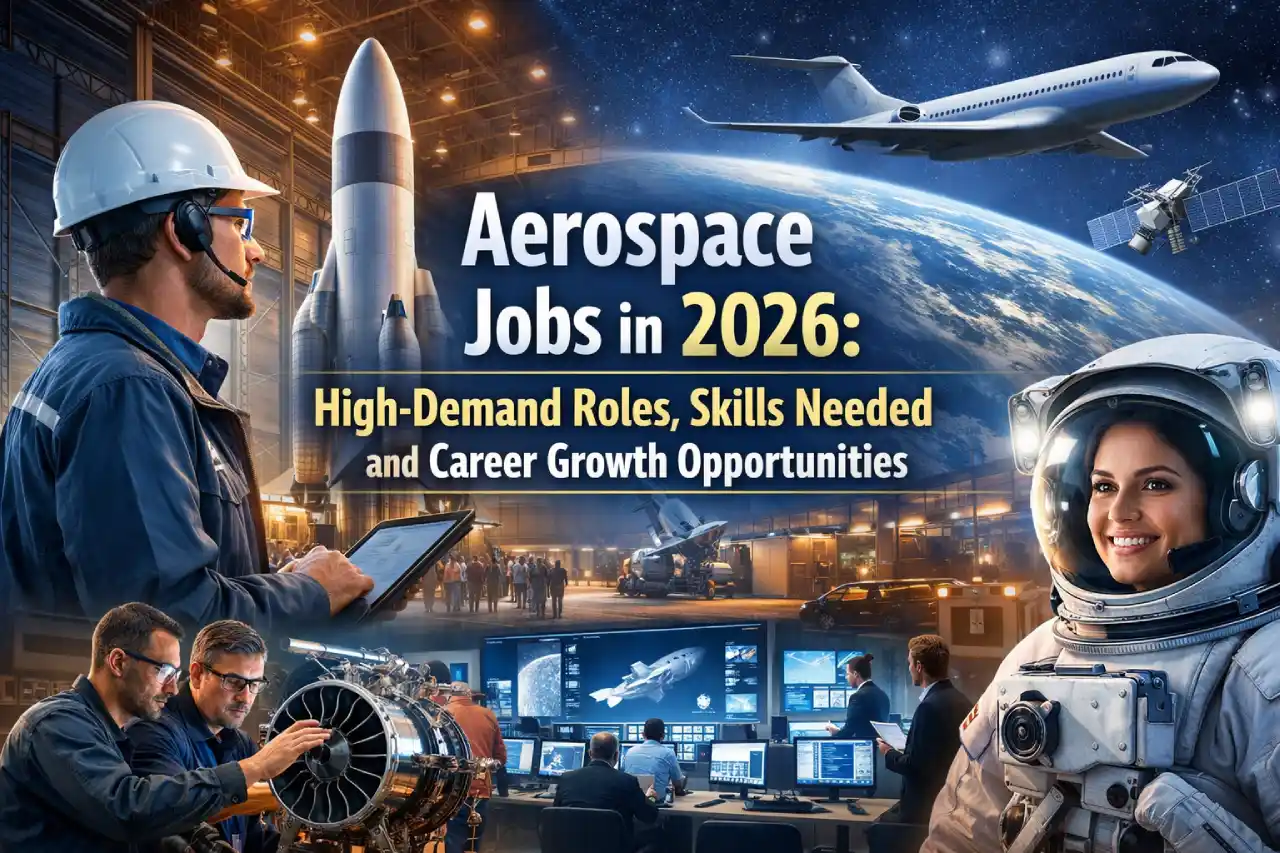
The aerospace sector is entering an exciting growth phase, and 2026 graduates are stepping into a job market filled with specialised and high-value roles. From commercial aviation to space exploration and defence manufacturing, the demand for skilled aerospace professionals is rising steadily. New technologies, increased air travel, satellite programmes, and private space missions are pushing companies to hire fresh talent with strong fundamentals and practical skills. For graduates planning ahead, aerospace can offer both stability and innovation-driven careers.

I am writing about this topic because many students still see aerospace as a limited or niche field, which is no longer true. Today, the sector needs engineers, analysts, software experts, and operations specialists in large numbers. Understanding which roles are in demand helps students choose the right electives, internships, and skill sets before they graduate. This kind of clarity can make a big difference during campus placements and early career decisions.

Why the Aerospace Sector Is Growing Fast

The aerospace industry is expanding due to multiple global and national factors. Increased investment in defence, satellite-based communication, space research, and aircraft manufacturing has created long-term job opportunities. In India and globally, governments and private players are working together to strengthen aerospace ecosystems, leading to more hiring across design, production, testing, and operations.

Aerospace Design Engineer

Aerospace design engineers remain one of the most sought-after roles. These professionals work on designing aircraft structures, engines, spacecraft components, and systems.

Key skills required include:

  • Strong understanding of aerodynamics and materials
  • CAD and simulation software knowledge
  • Problem-solving and analytical thinking

This role suits graduates who enjoy core engineering and technical depth.

Avionics and Systems Engineer

With modern aircraft becoming more software-driven, avionics engineers are in high demand. They work on navigation systems, communication equipment, flight control systems, and onboard electronics.

Why this role matters:

  • Increasing automation in aircraft and drones
  • Heavy reliance on electronic control systems
  • Growing demand in defence and commercial aviation

Graduates with electronics, electrical, or aerospace backgrounds fit well here.

Aerospace Manufacturing and Quality Engineer

Manufacturing engineers ensure that aircraft and space components are built accurately, safely, and efficiently. Quality engineers focus on compliance, testing, and safety standards.

Typical responsibilities include:

  • Overseeing production processes
  • Ensuring safety and regulatory compliance
  • Coordinating with design and testing teams

These roles are ideal for graduates interested in hands-on industrial work.

Space Systems and Satellite Engineer

With satellite launches and space missions increasing, space systems engineers are becoming critical. They work on payloads, launch systems, and satellite operations.

High-demand areas include:

  • Satellite communication systems
  • Launch vehicle support
  • Mission planning and testing

This role appeals to graduates interested in space technology and research-oriented careers.

Aerospace Software and Data Engineer

Software is now central to aerospace systems, from flight simulations to predictive maintenance. Data engineers and software developers are increasingly hired by aerospace firms.

In-demand skills include:

  • Programming and system modelling
  • Embedded systems and control software
  • Data analysis for performance and safety

This role suits graduates who combine engineering knowledge with coding skills.

Maintenance, Repair and Operations Specialist

Aircraft maintenance and operations professionals are essential to keep fleets safe and efficient. Airlines and aerospace service companies regularly recruit graduates for these roles.

Key areas of work:

  • Aircraft inspection and troubleshooting
  • Maintenance planning and documentation
  • Safety audits and compliance checks

These roles offer steady career growth and international exposure.

Skills 2026 Graduates Should Focus On

To stand out in the aerospace job market, graduates should focus on:

  • Strong fundamentals in engineering subjects
  • Practical experience through internships and projects
  • Software tools relevant to aerospace design and analysis
  • Communication and teamwork skills

From my experience, students who combine technical knowledge with real-world exposure are far more confident during interviews.

Leave a Comment

End of Article

Loading more posts...