Many students and young professionals often use the terms career planning and job hunting as if they mean the same thing. In reality, they are very different approaches to work and growth. Job hunting usually focuses on getting a job quickly, while career planning is about deciding where you want to go in life and choosing steps that take you there. Understanding this difference early can save years of confusion and frustration.
I am writing this article because I see many people feeling stuck after getting a job that does not match their interests or long-term goals. This happens when decisions are made in a hurry without proper planning. Knowing the difference between career planning and job hunting helps students make better choices, avoid short-term traps and build a future that is stable, meaningful and rewarding.
What Is Career Planning?
Career planning is a long-term process where you think about your interests, strengths, values and future goals before choosing a profession. It is not about getting a job immediately but about building a path that grows with time.
Career planning usually involves:
- Understanding what you are good at
- Exploring different career options
- Choosing the right education or skills
- Setting short-term and long-term goals
When you plan your career, each job becomes a step forward, not just a way to earn money.
What Is Job Hunting?
Job hunting is the process of searching and applying for jobs, usually with the goal of getting employed as soon as possible. It often starts after completing education or when someone urgently needs income.
Job hunting usually focuses on:
- Available vacancies
- Salary and location
- Quick selection and joining
There is nothing wrong with job hunting, but when done without a plan, it can lead to frequent job changes and dissatisfaction.
Key Difference Between Career Planning and Job Hunting
The biggest difference lies in mindset and time frame.
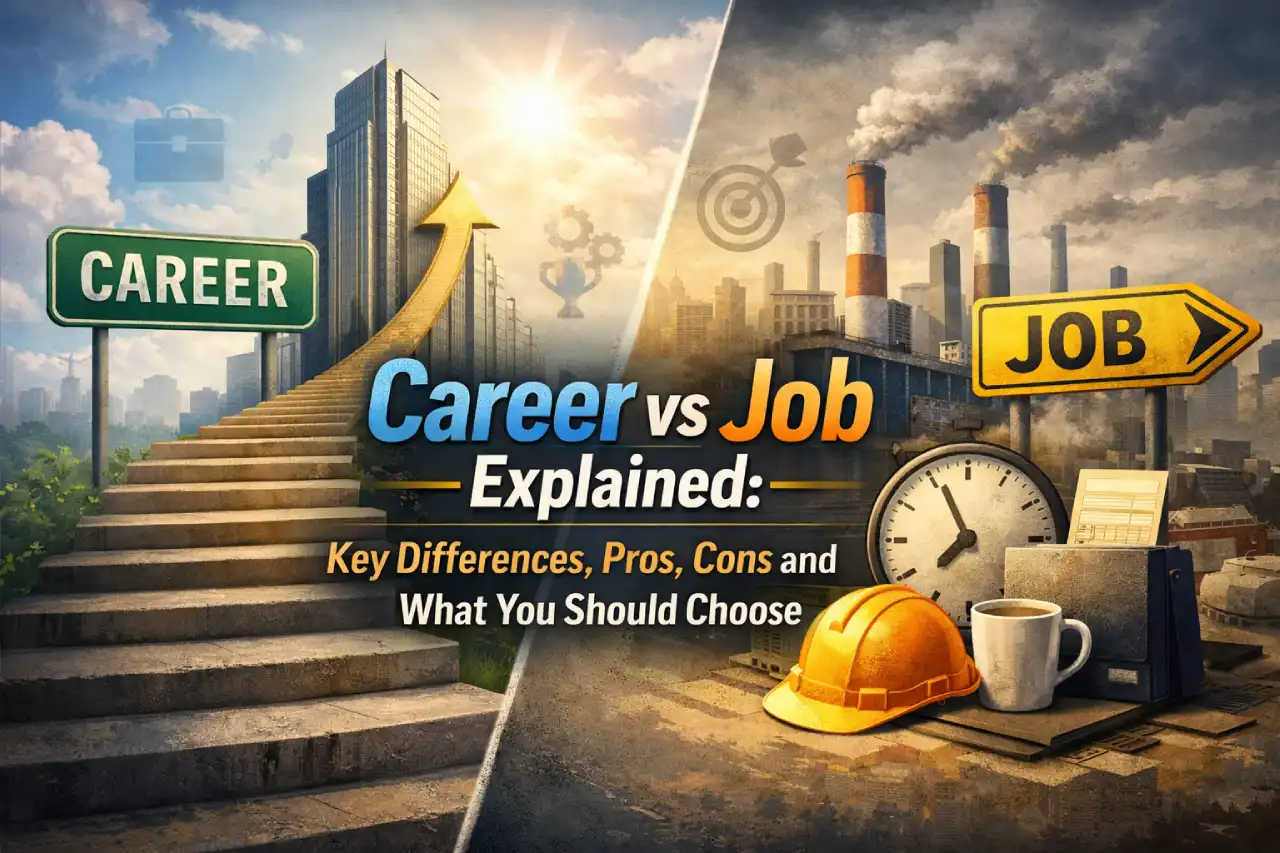
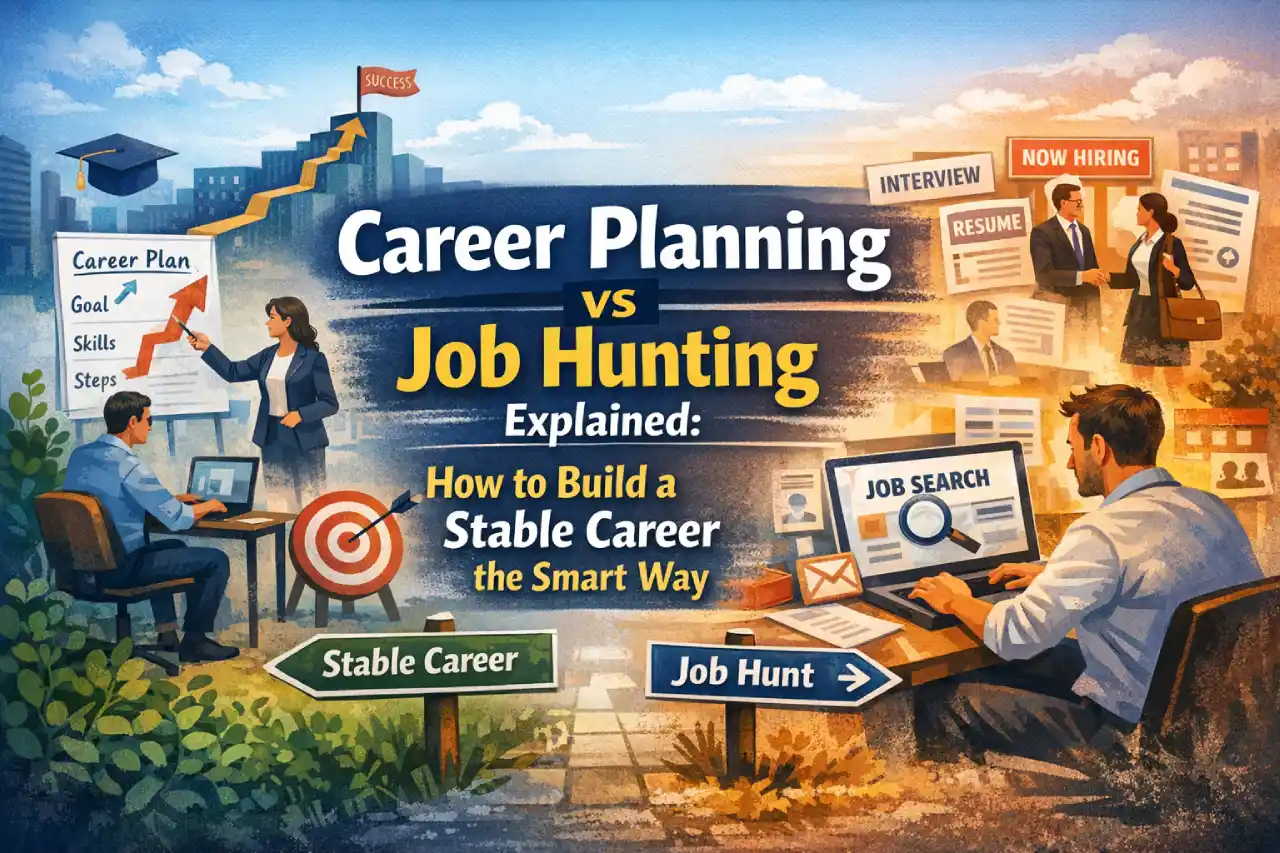
Career planning looks at the bigger picture. It asks questions like where do I see myself in five or ten years. Job hunting looks at the present and asks what job can I get right now.
Career planning is proactive. Job hunting is often reactive.
In simple terms, career planning decides the direction, and job hunting is just one activity within that direction.
Why Career Planning Matters More in the Long Run
Without career planning, people often accept jobs that do not match their skills or interests. Over time, this leads to stress, low motivation and burnout.
Career planning helps you:
- Choose jobs that align with your goals
- Learn skills that stay relevant
- Grow steadily instead of feeling stuck
- Make confident career decisions
From my experience, people who plan their careers may start slower, but they progress faster and feel more satisfied later.
When Job Hunting Becomes Necessary
There are times when job hunting is unavoidable. Financial pressure, family responsibilities or sudden job loss can force immediate job searches.
In such situations, job hunting should still be guided by some level of planning. Even if the job is temporary, it should ideally add some value to your skills or experience.
How Students Can Balance Both
The best approach is to combine career planning with smart job hunting.
Students should:
- Start career planning early, even in school or college
- Identify skills required for their chosen field
- Use internships and entry-level jobs as learning steps
- Avoid jumping jobs only for short-term salary gains
This balance helps turn jobs into building blocks rather than dead ends.
Simple Example to Understand the Difference
If someone wants to become a data analyst, career planning involves learning statistics, tools and gaining relevant experience. Job hunting would be applying for analyst roles that fit this plan.
If the same person randomly takes unrelated jobs just because they are available, that is job hunting without career planning.