JOIN WHATSAPP
STORIES

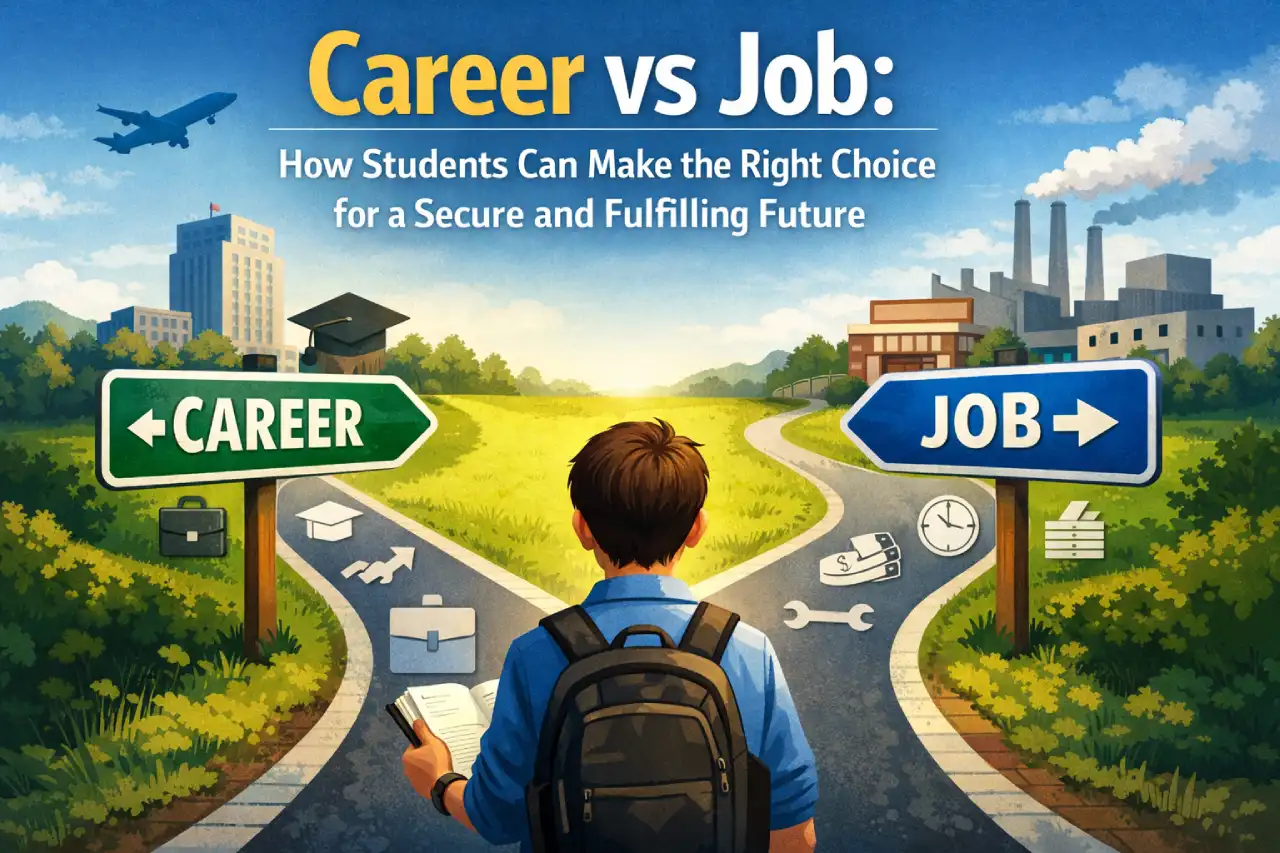
Career vs Job: How Students Can Make the Right Choice for a Secure and Fulfilling Future

Career vs Job: How Students Can Make the Right Choice for a Secure and Fulfilling Future

For many students, the question of choosing a career or taking up a job comes at a confusing and stressful stage of life. After finishing school or college, there is pressure to start earning, prove independence, and meet family expectations. At the same time, there is a strong desire to do something meaningful, something that feels long-term and fulfilling. This is where the confusion begins, because a job and a career may look similar at the start, but they often lead to very different journeys.

I am writing about this topic because I see many students around me struggling with this exact decision. Some rush into jobs just to earn money, while others wait endlessly for the “perfect” career path and end up feeling stuck. Understanding the difference between a job and a career, and knowing when to prioritise one over the other, can help students make more balanced and confident choices at an early stage.

Understanding the Difference Between a Job and a Career

A job is usually a short-term engagement taken mainly to earn money. It may or may not align with your interests or long-term goals. A career, on the other hand, is a long-term journey built around skills, growth, learning, and purpose.

A job often focuses on immediate needs, while a career focuses on where you want to be five or ten years down the line. Knowing this difference helps students stop comparing themselves with others and start thinking clearly about their own path.

Why Many Students Choose a Job First

Many students choose a job immediately after studies due to financial pressure or family responsibility. There is nothing wrong with this choice. A job can provide stability, real-world exposure, and confidence.

Some benefits of taking a job early include:

  • Financial independence
  • Practical experience and discipline
  • Better understanding of workplace culture

For some students, a job also helps them discover what they do not want to do in the long run.

Why Focusing on a Career Matters in the Long Run

A career gives direction and purpose. When students invest time in building skills, learning continuously, and gaining relevant experience, they are more likely to grow professionally and personally.

A career-oriented approach helps students:

  • Build expertise in a specific field
  • Find long-term satisfaction
  • Grow steadily instead of jumping between roles

Even if the initial pay is low, career-focused choices often lead to better opportunities over time.

The Pressure Students Commonly Face

One of the biggest challenges students face is comparison. Seeing friends get jobs, earn salaries, or move ahead quickly creates anxiety. Social media adds to this pressure by showing only success stories, not struggles.

Students must remember that everyone’s journey is different. Choosing a career path may take longer, but it does not mean failure. What matters is clarity, not speed.

Can a Job Lead to a Career?

Yes, absolutely. Many careers begin with a simple job. The key is mindset. If a student treats a job as a learning opportunity and keeps upgrading skills, that job can become the foundation of a strong career.

The important thing is to ask:

  • Am I learning something useful here?
  • Does this role add value to my future plans?

If the answer is yes, the job is not a dead end.

How Students Can Make a Better Decision

Instead of choosing between a job or a career blindly, students should look at their situation honestly. Financial needs, interests, strengths, and long-term goals all matter.

Some practical steps include:

  • Talking to mentors or seniors
  • Exploring internships and short-term roles
  • Investing time in skill development
  • Being patient with growth

There is no single correct choice, only a well-thought-out one.

Leave a Comment

End of Article

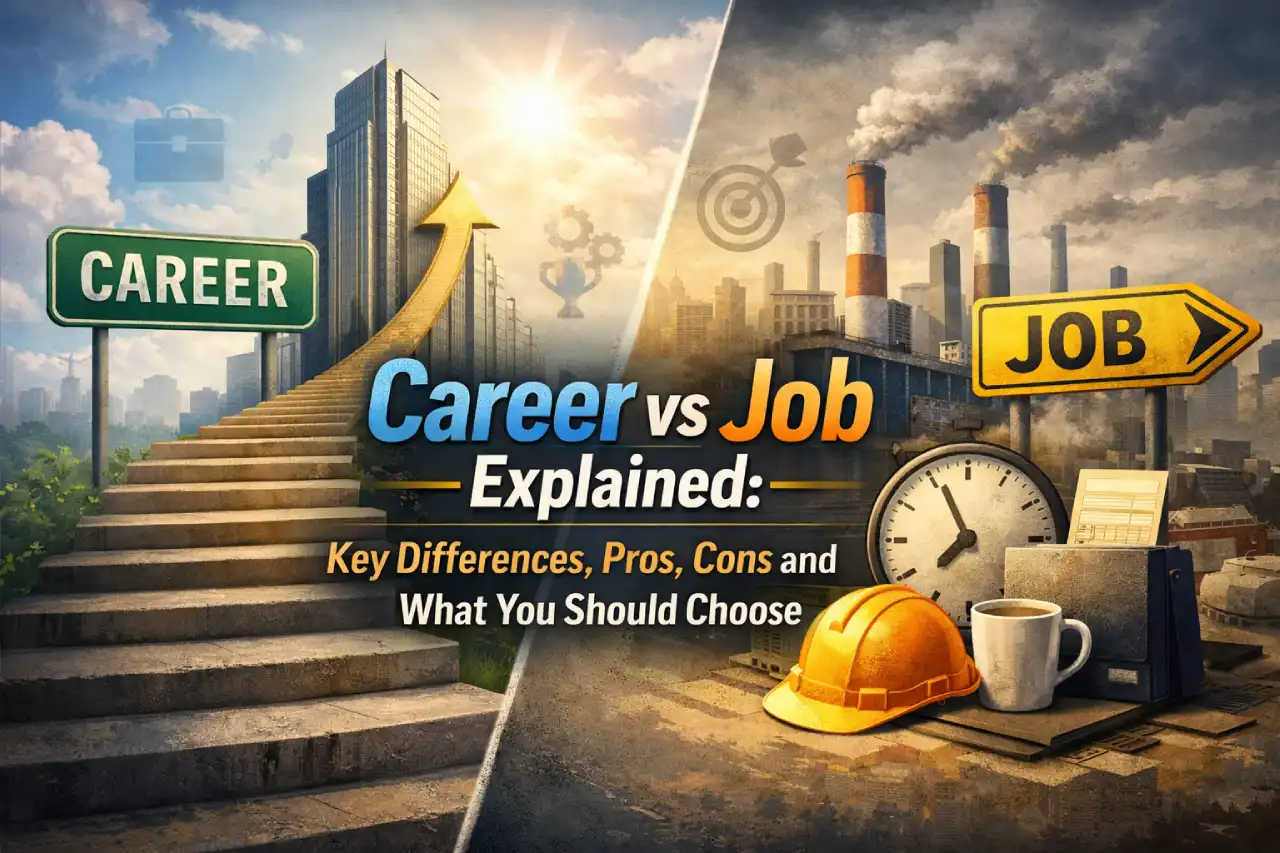
Career vs Job Explained Clearly: Key Differences, Examples and How to Choose the Right Path

Career vs Job Explained Clearly: Key Differences, Examples and How to Choose the Right Path

If you are confused between a job and a career, you are not alone. Many people use these two words interchangeably, but they actually mean different things. A job is something you do to earn money, usually for a short-term purpose, while a career is a long-term journey built around your skills, interests, and goals. Understanding this difference is important, especially if you are planning your future or thinking about what you really want to achieve in life.

I am writing about this because I have seen many students and even working professionals struggle with this confusion. Some people jump from one job to another without direction, while others feel stuck because they are not sure what they are working towards. Knowing the difference between a job and a career can help you make better decisions, stay focused, and build a path that gives both financial stability and personal satisfaction.

What is a Job

A job is a role where you work for a company or organisation in exchange for money.

Key features of a job:

  • Short-term focus
  • Mainly done to earn income
  • Limited connection with long-term goals
  • Fixed responsibilities
  • Less emphasis on growth or passion

For example, working as a cashier, delivery executive, or temporary office assistant can be considered a job.

What is a Career

A career is a long-term professional journey where you grow, learn, and build your identity over time.

Key features of a career:

  • Long-term vision
  • Focus on growth and development
  • Connected with your interests and skills
  • Offers progression and opportunities
  • Builds expertise over time

For example, becoming a teacher, engineer, doctor, or writer is part of a career path.

Career vs Job: Key Differences

Here is a simple comparison to understand the difference clearly:

AspectJobCareer
DurationShort-termLong-term
PurposeEarn moneyBuild future
GrowthLimitedContinuous
MotivationSalaryPassion + growth
StabilityTemporaryMore stable over time

From my perspective, a job can be a part of your career, but not every job leads to a meaningful career.

Can a Job Become a Career

Yes, a job can turn into a career if you approach it with the right mindset.

  • If you learn new skills in your job
  • If you grow within the same field
  • If you set long-term goals

For example, starting as a junior employee and growing into a manager or expert can turn a job into a career.

Why Understanding the Difference Matters

Knowing the difference can help you:

  • Make better career decisions
  • Avoid feeling lost or stuck
  • Choose jobs that align with your goals
  • Plan your future more effectively

In my opinion, this clarity can save you years of confusion and frustration.

How to Choose Between a Job and a Career

If you are just starting out, it is okay to take a job. But over time, you should think about building a career.

Ask yourself:

  • What are my interests and strengths
  • Where do I see myself in 5 or 10 years
  • Am I learning something valuable in my current role
  • Does this job help me grow

Your answers will guide your decisions.

Common Mistakes People Make

Many people unknowingly make these mistakes:

  • Choosing jobs only based on salary
  • Not planning long-term goals
  • Ignoring skill development
  • Staying in comfort zones for too long

From what I have seen, avoiding these mistakes can make a big difference in your journey.

Tips to Build a Strong Career

If you want to move from a job mindset to a career mindset, here are some simple tips:

  • Keep learning and upgrading your skills
  • Set clear long-term goals
  • Network with people in your field
  • Take calculated risks
  • Stay consistent and patient

Building a career takes time, but it is worth the effort.

Leave a Comment

End of Article

Loading more posts...