JOIN WHATSAPP
STORIES

CBSE Fixes Maximum 40 Students Per Class: New Rule to Ease Classroom Burden

CBSE Fixes Maximum 40 Students Per Class: New Rule to Ease Classroom Burden

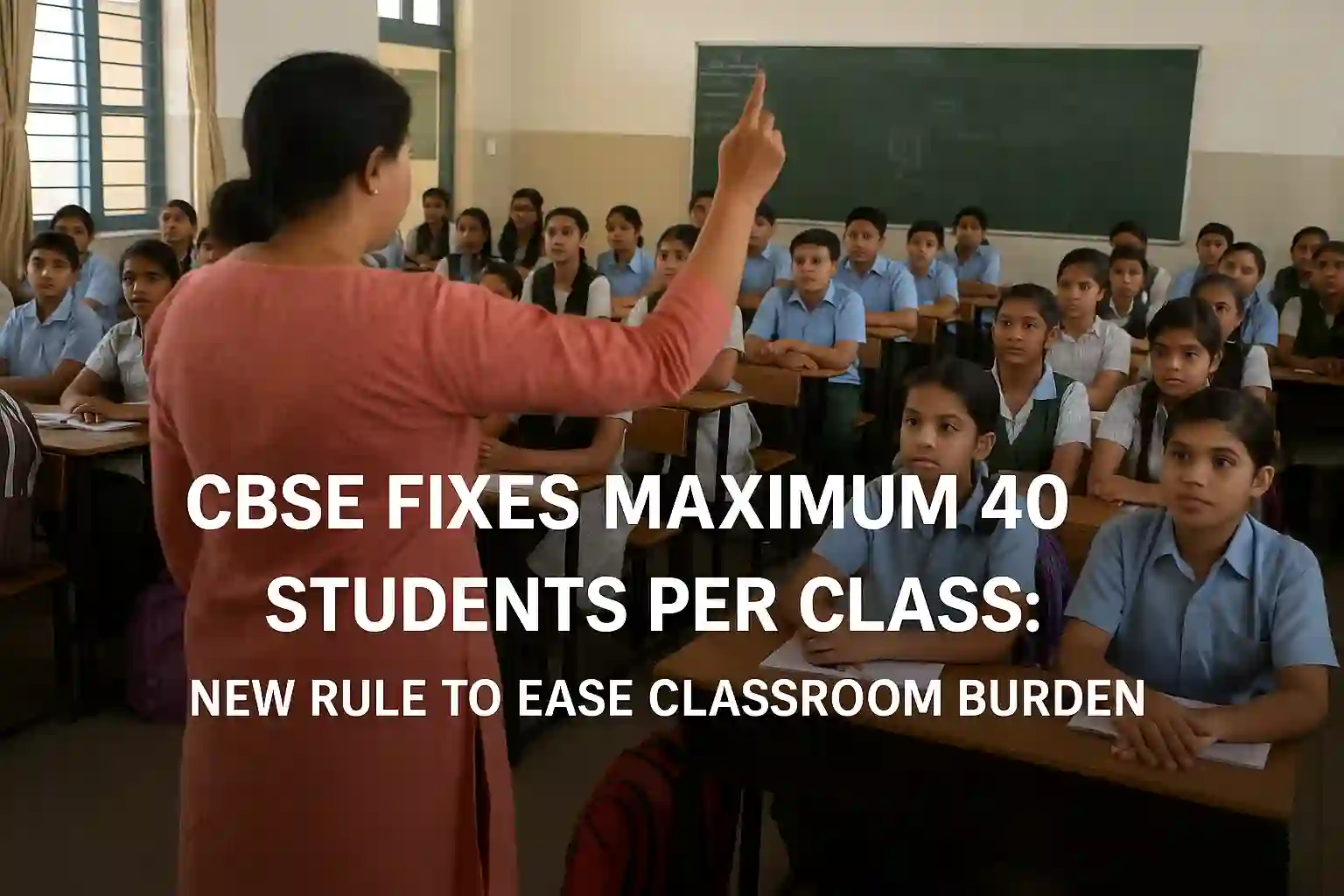
In a major move to improve the quality of education, CBSE has announced that each section in its affiliated schools must not have more than 40 students. This decision applies to all classes from primary to senior secondary and aims to reduce the burden on teachers while giving more attention to individual students. The Central Board of Secondary Education (CBSE) has clearly stated that overcrowded classrooms are not acceptable anymore and schools must follow the rule strictly.

I’m writing about this because the issue of overcrowded classrooms is something I have personally seen in many schools, especially in metro cities and urban areas. When 60 or even 70 students are crammed into one classroom, learning becomes mechanical, and both students and teachers suffer. This step by CBSE is long overdue, and it’s something that directly affects lakhs of families, including students who want better attention and parents who expect value from the high fees they are paying. It also ensures a more balanced teacher-student ratio, which can improve learning outcomes. Schools now need to take this seriously and bring real change in how classrooms are managed.

CBSE’s New Rule: Only 40 Students Allowed Per Class Section

CBSE has formally directed all its affiliated schools to ensure a cap of 40 students per section. This means if a school has more students, it must create additional sections instead of crowding them into one.

Why This Decision Was Taken

The circular clearly points to these main reasons:

  • Better learning environment for students
  • Less burden on teachers, allowing them to focus more on each student
  • To follow National Education Policy (NEP) 2020, which stresses on quality over quantity
  • Mental health concerns for both students and teachers

The board has also asked schools to avoid seeking exemptions from this rule unless there is a strong justification, and such requests will be reviewed case by case.

What This Means for Schools

Key Impacts:

  • Schools must add more sections or reduce intake if they exceed the 40-student limit per class.
  • Infrastructure may need upgrades – more classrooms, more teachers, and support staff.
  • Schools that do not comply may face strict action, including cancellation of affiliation.

Example:

If a Class 9 in a school has 120 students, the school must now divide them into at least 3 sections of 40 students each instead of 2 sections of 60.

Parents and Students: What You Should Know

This move will directly benefit students in multiple ways:

  • More chances to ask doubts during class
  • Teachers will have time to focus on weak areas of each student
  • Less noise and crowding in classrooms
  • Healthier academic pressure

If your ward’s classroom still feels overcrowded, you can raise a concern with the school authorities, citing this new CBSE guideline.

Teacher Perspective

Teachers have been demanding a better student-teacher ratio for a long time. With this cap, they will now be able to:

  • Plan their lessons better
  • Conduct more interactive sessions
  • Give personalised feedback to students
  • Reduce burnout and manage classes more effectively

Will This Rule Apply to All Schools?

Yes, it applies to all CBSE-affiliated schools across India and abroad. It covers all classes, from lower primary to Class 12. However, schools can submit a request for relaxation in exceptional cases, but approval is not guaranteed.

Leave a Comment

End of Article

The Pride of Uniform Meets the Future of Tech: Nagpur to Become NCC’s ‘Power House’ under Major General Vivek Tyagi’s New Vision

The Pride of Uniform Meets the Future of Tech: Nagpur to Become NCC’s ‘Power House’ under Major General Vivek Tyagi’s New Vision

Umesh Varma (Senior Photojournalist)
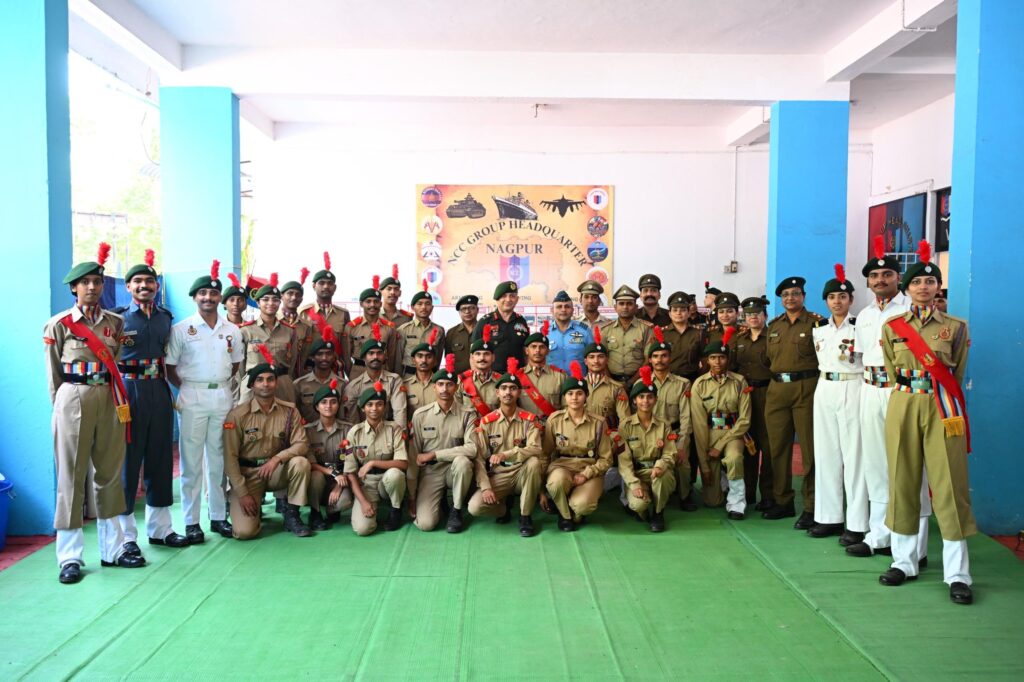
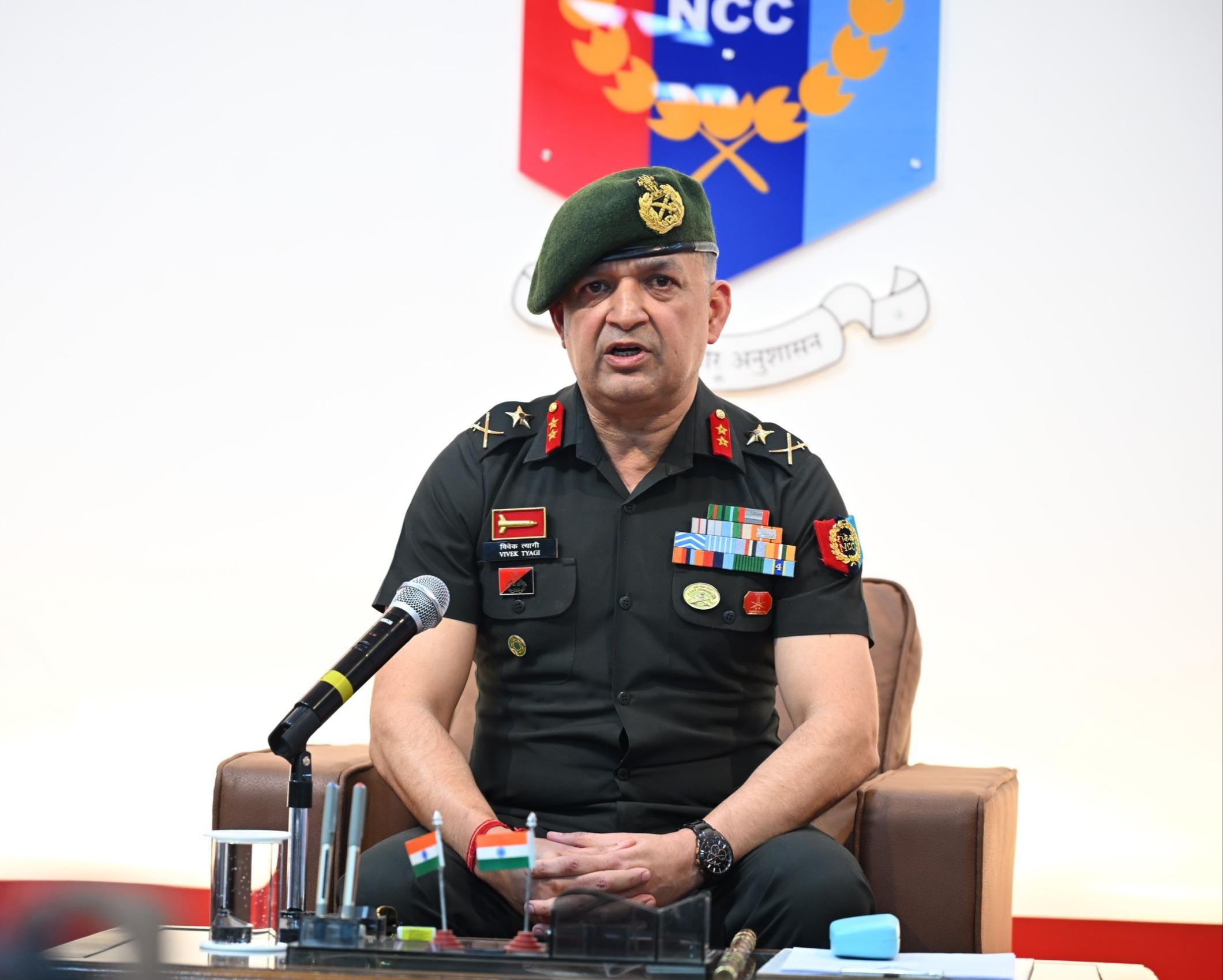
Nagpur | April 29, 2026: “Mastering Drones and Cyber Security is not just the geographical heart of India; it is now set to become the ‘Center of Excellence’ that will give wings to the dreams of NCC cadets across the nation.” These inspiring words were shared by Major General Vivek Kumar Tyagi, Additional Director General (ADG) of NCC Maharashtra, during a special press conference held today. On the first day of his three-day administrative visit, the Major General unveiled a transformative roadmap for the youth and the future of the NCC.

Mastering Drones and Cyber Security

Major General Tyagi announced that a state-of-the-art ‘Drone Training Academy’ is being established in Nagpur. This academy will be unique as it focuses on creating ‘Master Drone Trainers’—cadets and instructors who will go on to train others across various divisions in India. Recognizing the digital age’s challenges, he also highlighted a dedicated ‘Cyber Awareness’ initiative and tech-based skilling, ensuring that cadets are not just physically fit but technologically superior and ready for the future.

Nagpur: A Nursery for Future Officers and Leaders

The Pride of Uniform Meets the Future of Tech: Nagpur to Become NCC’s ‘Power House’ under Major General Vivek Tyagi’s New Vision

The Major General expressed immense pride in the dedication of Nagpur’s youth. He revealed that in just the past few months, 12 to 14 cadets from Nagpur alone have successfully cleared their boards to join the Armed Forces as officers. Whether through the Agniveer scheme, the Armed Forces, or the Maharashtra Police, NCC cadets are leading the way with the motto of ‘Nation First.’ He also noted that the training of civil staff, such as Girl Cadet Instructors (GCI) and Caretaker Officers (CTO) at the Officer Training Academy (OTA) in Kamthi, is playing a pivotal role in expanding the NCC’s reach

Meeting the Surge in Demand: 160 Institutions on Waiting List

The growing craze for the NCC among today’s youth is evident: currently, 160 schools and colleges in Nagpur are on the waiting list to start NCC units. To meet this demand, Major General Tyagi called upon the State Government for support in building a World-Class NCC Academy in Nagpur. He emphasized that the goal is not just to reach the milestone of 1.5 lakh cadets, but to reach the most remote areas of Maharashtra, transforming every student into a confident, resilient, and patriotic leader.

Empowering Daughters and Global Exposure

The Pride of Uniform Meets the Future of Tech: Nagpur to Become NCC’s ‘Power House’ under Major General Vivek Tyagi’s New Vision

A significant highlight of the briefing was the rising strength of women in the corps, with the gender ratio now approaching 60:40. Through the ‘Youth Exchange Program,’ cadets are also interacting with international students, gaining global perspectives and representing India’s diversity. Major General Tyagi concluded by stating that the NCC is more than just a career path; it is a workshop that builds character, discipline, and the best version of a human being.

Leave a Comment

End of Article

Loading more posts...