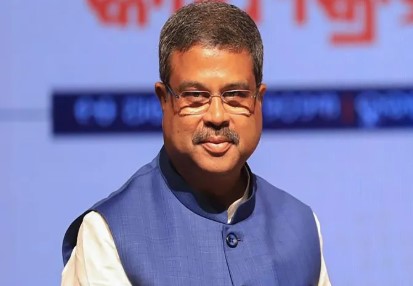
Union Education Minister Dharmendra Pradhan has clarified that the Centre is not imposing any language on states and that the National Education Policy (NEP) 2020 respects India’s linguistic diversity. Speaking at a public interaction, he stressed that while the NEP encourages multilingual learning and the use of the mother tongue at the foundational stage, the final decision on medium of instruction rests with states, schools, and parents. His remarks come at a time when several states have expressed concerns about the possibility of a “language push” in education reforms.
I am writing about this because language in education is not just about communication — it is tied to identity, culture, and opportunity. In India’s diverse landscape, even small policy moves around language can spark strong debates. Parents worry about employability if English is sidelined, while communities worry about cultural loss if regional languages are ignored.
Clarifications like this matter because they assure people that the NEP is meant to strengthen learning, not to impose uniformity. For students, it is important to know that the focus remains on skills, creativity, and critical thinking, while language choices are left open. Discussing this issue helps us understand how India balances diversity with national goals in education.
Key Points from Pradhan’s Statement
- NEP 2020 encourages multilingual education but does not mandate any single language
- Mother tongue or regional language is recommended at the foundational stage for better understanding
- States and institutions have the autonomy to decide language policies based on their contexts
- The policy’s larger focus is on quality education, research, and employability rather than language politics
Why Language Remains a Sensitive Issue
Language debates in India often touch upon deeper questions of identity and federalism. Tamil Nadu, for instance, has historically opposed the three-language formula due to fears of Hindi imposition. Similar sentiments exist in other regions. Clarifications from the Centre are crucial to avoid misunderstandings and to ensure that education reforms are accepted widely.
Implications for Students and Parents
For students, the assurance means they can continue to learn in languages that best support their growth — whether mother tongue, English, or a combination. Parents can feel confident that their children’s education will not be disrupted by sudden shifts in language policy. At the same time, promoting regional languages ensures cultural continuity while also giving students the option to master global languages for future careers.