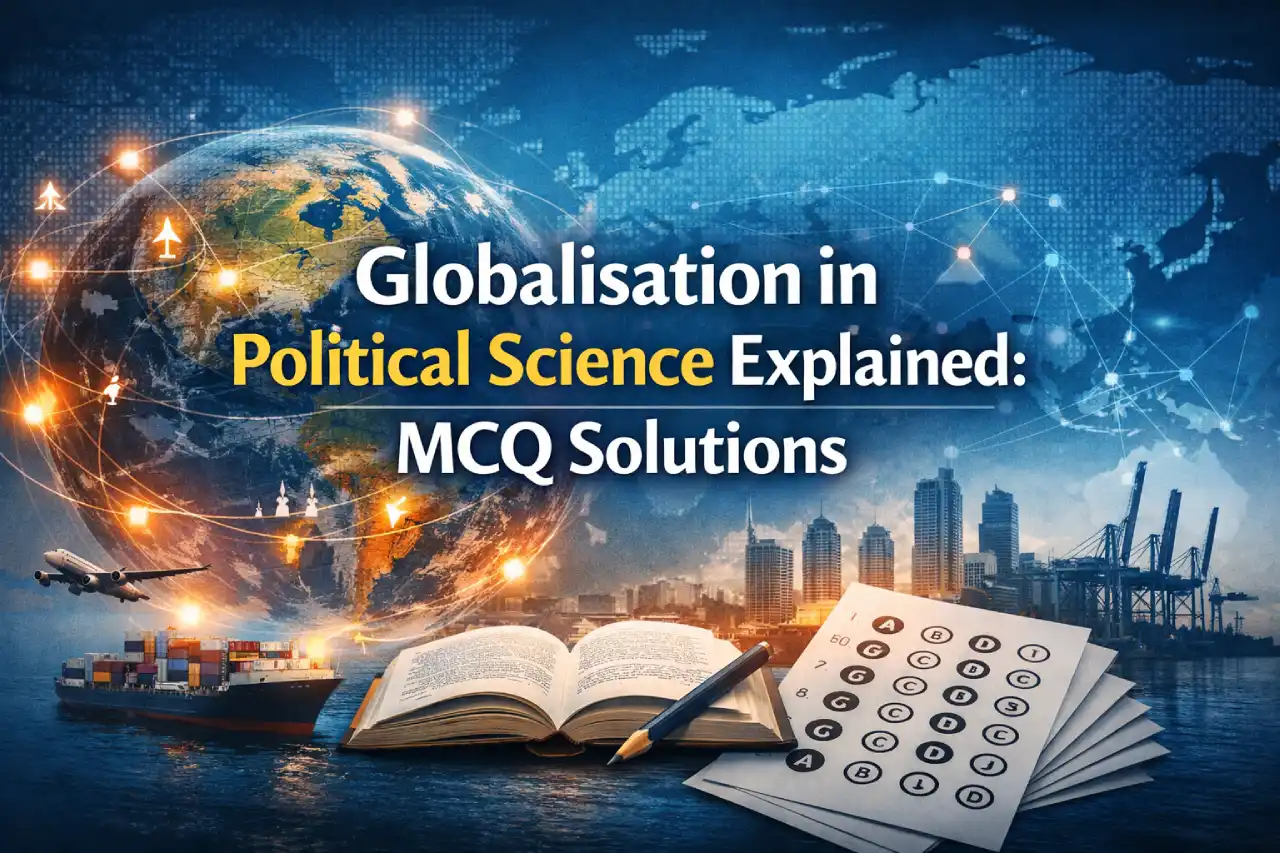
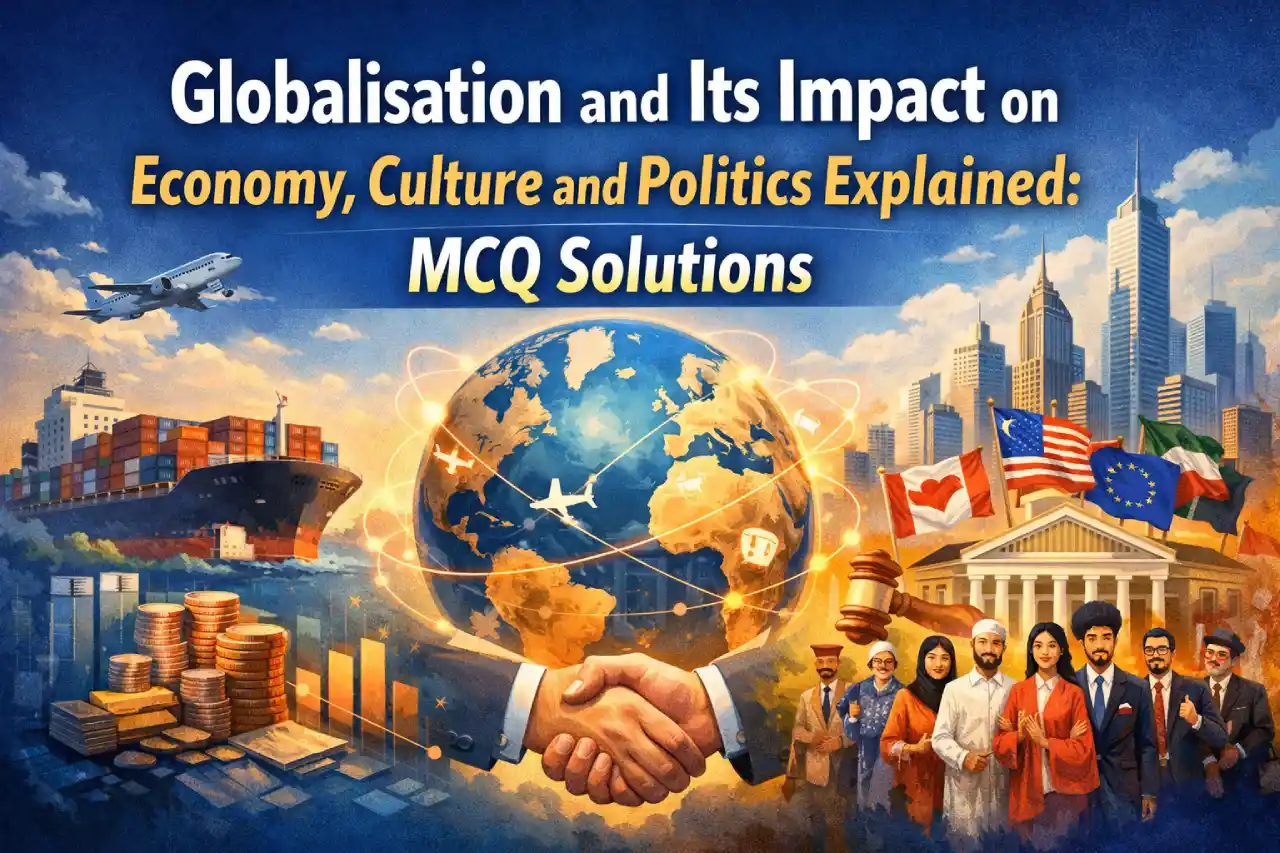
Globalisation is one of the most important developments shaping the modern world. It refers to the growing interconnectedness between countries through trade, technology, investment, culture, and the movement of people. Over the past few decades, improvements in communication systems, transport networks, and digital technology have made the world more closely linked than ever before. As a result, decisions made in one country can influence economies, cultures, and political systems in other parts of the world. This increasing interdependence has made globalisation a central concept in international relations and political science.
I am writing about this topic because globalisation is often discussed but not always clearly understood by students and readers. Many people encounter its effects every day through international brands, digital communication, and global employment opportunities, yet they may not fully understand how it works. By explaining its meaning, causes, and consequences in simple terms, this article aims to help readers grasp why globalisation has become such a powerful force in shaping economies, cultures, and political systems across the world, including India.
What Is Globalisation?
Globalisation refers to the process through which countries become increasingly interconnected through flows of goods, services, capital, ideas, and people across national boundaries.
In simple terms, it means that national economies and societies are no longer isolated. Instead, they are part of a wider global network where economic activities, cultural trends, and political developments influence one another.
Globalisation mainly involves four types of flows:
- Movement of goods and services through international trade
- Flow of capital through foreign investments
- Exchange of ideas and information through communication technologies
- Movement of people across borders for education, employment, or migration
Because it involves economic, political, and cultural dimensions at the same time, globalisation is often described as a multi-dimensional phenomenon.
Causes of Globalisation
Globalisation has expanded rapidly due to several major factors that have increased international interaction and cooperation.
Technological Development
Technological progress has been one of the most important drivers of globalisation. Developments in communication and transportation have significantly reduced the distance between countries.
Examples include:
- Internet and digital communication
- Satellite television and global media networks
- Faster transport systems such as airplanes and cargo ships
- Expansion of information technology services and call centres
These innovations allow companies to operate internationally and enable individuals to communicate across continents instantly.
Economic Liberalisation
Economic liberalisation has also played a major role in promoting globalisation. Many governments reduced restrictions on trade and foreign investment in order to encourage economic growth.
For example, India adopted economic reforms in 1991, which opened the economy to foreign investment and global trade. This step helped integrate India into the global economy and encouraged international business activities.
Role of International Institutions
International organisations also play a significant role in promoting global economic integration.
Some major institutions include:
- World Trade Organization (WTO)
- International Monetary Fund (IMF)
- World Bank
These institutions influence global economic policies and encourage countries to participate in international trade and financial cooperation.
Download this B-1 Globalisation WS 1 PDF File: Click Here
Economic Consequences of Globalisation
Globalisation has produced several economic changes around the world.
Some important economic consequences include:
- Expansion of international trade
- Growth of multinational corporations
- Increase in foreign direct investment
- Creation of new employment opportunities
Many developing countries have benefited from access to global markets and increased investment opportunities. At the same time, globalisation has intensified competition, making it difficult for some local industries to compete with large international companies.
Cultural Consequences of Globalisation
Globalisation has also had a strong influence on cultures across the world.
Some cultural effects include:
- Greater exposure to global media and entertainment
- Spread of international brands and consumer products
- Exchange of lifestyles, food habits, and fashion trends
One important debate related to cultural globalisation is cultural homogenisation, which refers to the fear that cultures around the world may become similar due to the influence of dominant global cultures.
However, cultural interaction can also create new cultural combinations. For example, traditional clothing styles may blend with modern global fashion, creating unique cultural expressions.
Political Consequences of Globalisation
Globalisation has also influenced political systems and governance.
Some major political consequences include:
- Increasing role of international organisations in policymaking
- Greater cooperation between governments
- Growing influence of multinational corporations
- Changes in the role of the state in economic management
In many cases, governments now focus more on regulating markets and maintaining law and order rather than directly controlling economic activities.
Resistance to Globalisation
Despite its advantages, globalisation has also faced criticism from various groups across the world.
Some common arguments against globalisation include:
- It may increase economic inequality between rich and poor
- Local industries and workers may suffer due to global competition
- Governments may lose control over economic decision-making
- Traditional cultures may be affected by foreign cultural influences
These concerns have led to protests and movements opposing certain aspects of globalisation.
Impact of Globalisation on India
Globalisation has significantly influenced India’s economy and society, particularly after economic reforms were introduced in the early 1990s.
Some positive impacts include:
- Growth of the information technology sector
- Increase in foreign investment
- Expansion of global trade
- Creation of new employment opportunities
At the same time, globalisation has also created challenges. Small-scale industries sometimes struggle to compete with multinational corporations, and economic inequality remains a concern.
Despite these challenges, globalisation has played an important role in shaping India’s economic development and its growing presence in the global economy.