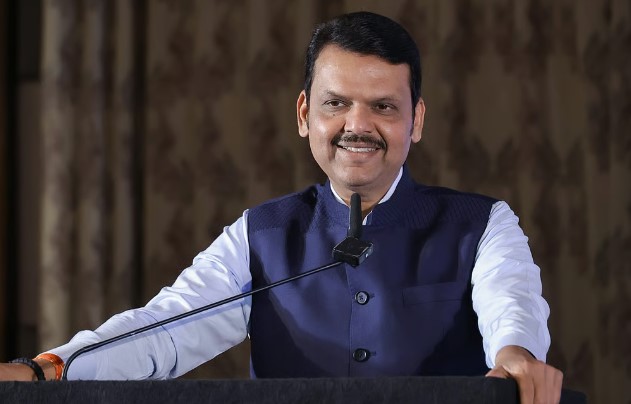
Maharashtra Chief Minister Devendra Fadnavis has made a strong case for giving greater autonomy to high-performing educational institutions across the state. Addressing a recent gathering, he said that flexibility and institutional independence are essential for developing globally competitive talent in India.
With the country’s economy expanding and becoming increasingly connected to the global market, the Chief Minister pointed out that rigid administrative systems often hinder innovation and restrict the growth of both students and institutions. He emphasised that empowering capable institutions with more freedom would help unlock their full potential and better prepare learners for international opportunities.
I am writing about this statement because the demand for autonomy in education has been growing louder across India. Colleges and universities often struggle with outdated regulations, delayed approvals, and limited freedom to update courses. When a Chief Minister openly supports institutional autonomy, it signals a possible shift in policy thinking. This matters to students, teachers, and administrators who want education systems that can respond quickly to changing industry and global needs.
What Fadnavis Said About Educational Autonomy
Devendra Fadnavis said that institutions with a proven track record should be trusted with more decision-making powers. According to him, autonomy allows colleges and universities to design relevant curricula, collaborate internationally, and encourage research and innovation.
He pointed out that excellence cannot be achieved through control alone and that institutions must be given room to grow.
Why Autonomy Matters in Today’s Education System
In a fast-changing global economy, skills become outdated quickly. Autonomous institutions can:
- Update syllabi without long approval delays
- Introduce interdisciplinary and skill-based courses
- Collaborate with foreign universities and industry
- Encourage research and innovation
Such flexibility helps students become job-ready and globally competitive.
Link Between Education and Economic Growth
The Chief Minister linked educational reform directly to India’s economic ambitions. As India aims to become a major global economy, it needs a workforce that can compete internationally.
Autonomous institutions, he said, are better placed to produce graduates with critical thinking, innovation skills, and global exposure.
Concerns Around Accountability
While supporting autonomy, policymakers often stress the need for accountability. Autonomy does not mean absence of oversight. Institutions are expected to maintain academic standards, transparency, and social responsibility.
Balancing freedom with regulation will be key to making autonomy effective.
What This Means for Students and Teachers
For students, autonomous institutions can offer updated courses, better exposure, and improved learning outcomes. Teachers may benefit from academic freedom, research opportunities, and reduced administrative hurdles.
Overall, autonomy can create a more vibrant and responsive academic environment.
Maharashtra’s Role in Education Reform
Maharashtra has long been a major education hub, hosting leading universities and colleges. Support for autonomy from the state leadership could encourage institutions to innovate and improve their global standing.
It could also influence similar policy discussions in other states.