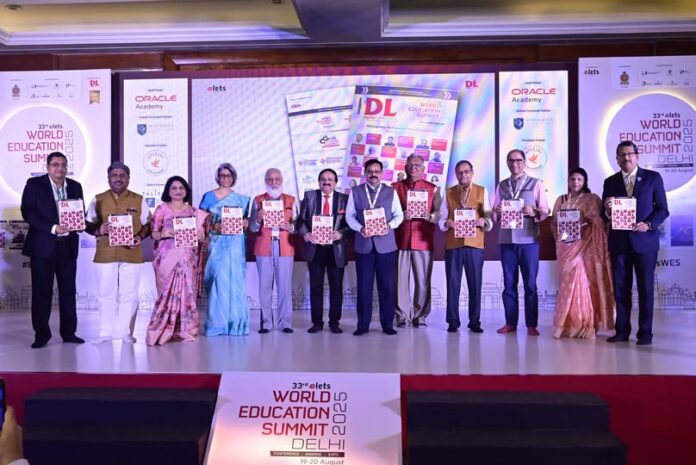
The 33rd edition of the Elets World Education Summit 2025 came to a successful close in New Delhi, bringing together more than 500 education leaders, policymakers, and innovators from India and abroad. The two-day event focused on rethinking strategies for future-ready education, strengthening EdTech adoption, and shaping new models for inclusive learning.
I chose to write about this topic because platforms like the World Education Summit act as a mirror to the challenges and opportunities in India’s education system. With NEP 2020 gradually being rolled out and digital learning becoming an integral part of classrooms, events like these help us understand how education leaders are responding to change. As someone who closely follows developments in the field of education, I find such gatherings not only inspiring but also necessary for bringing practical ideas into action. It is important for parents, students, teachers, and policymakers alike to know how conversations at such events directly influence the quality and direction of education in the country. When education leaders exchange ideas, the outcomes impact not just institutions but the larger vision of preparing the next generation for a competitive world.
Key Themes of the Summit
The summit covered a wide range of discussions, but some of the most relevant themes included:
- Implementation of National Education Policy (NEP) 2020 across states
- Role of EdTech in bridging learning gaps
- Importance of skill-based and vocational training for students
- Collaboration between public and private institutions for better infrastructure
- Use of AI and digital tools to make learning more personalised and effective
Participation and Collaboration
More than 500 education leaders participated in the event, including vice-chancellors, school principals, government officials, and EdTech entrepreneurs. International delegates also joined, offering global perspectives on integrating technology into learning and tackling post-pandemic challenges.
Panel discussions and keynote sessions were designed to encourage dialogue between policymakers and practitioners. Many speakers emphasised that the future of Indian education lies in balancing technology with human values, ensuring that while classrooms go digital, they do not lose the personal connection between teachers and students.
Why the Summit Matters
Events like the Elets World Education Summit are important because they bring stakeholders on the same platform. Instead of working in silos, schools, universities, and governments can exchange strategies that have worked and learn from each other’s mistakes. For example, some universities shared their success stories of hybrid learning models, while schools discussed innovative assessment methods.
For students, the indirect benefits are significant. When leaders focus on skill-building and job-readiness, it ensures that the education system prepares them for real-world challenges.