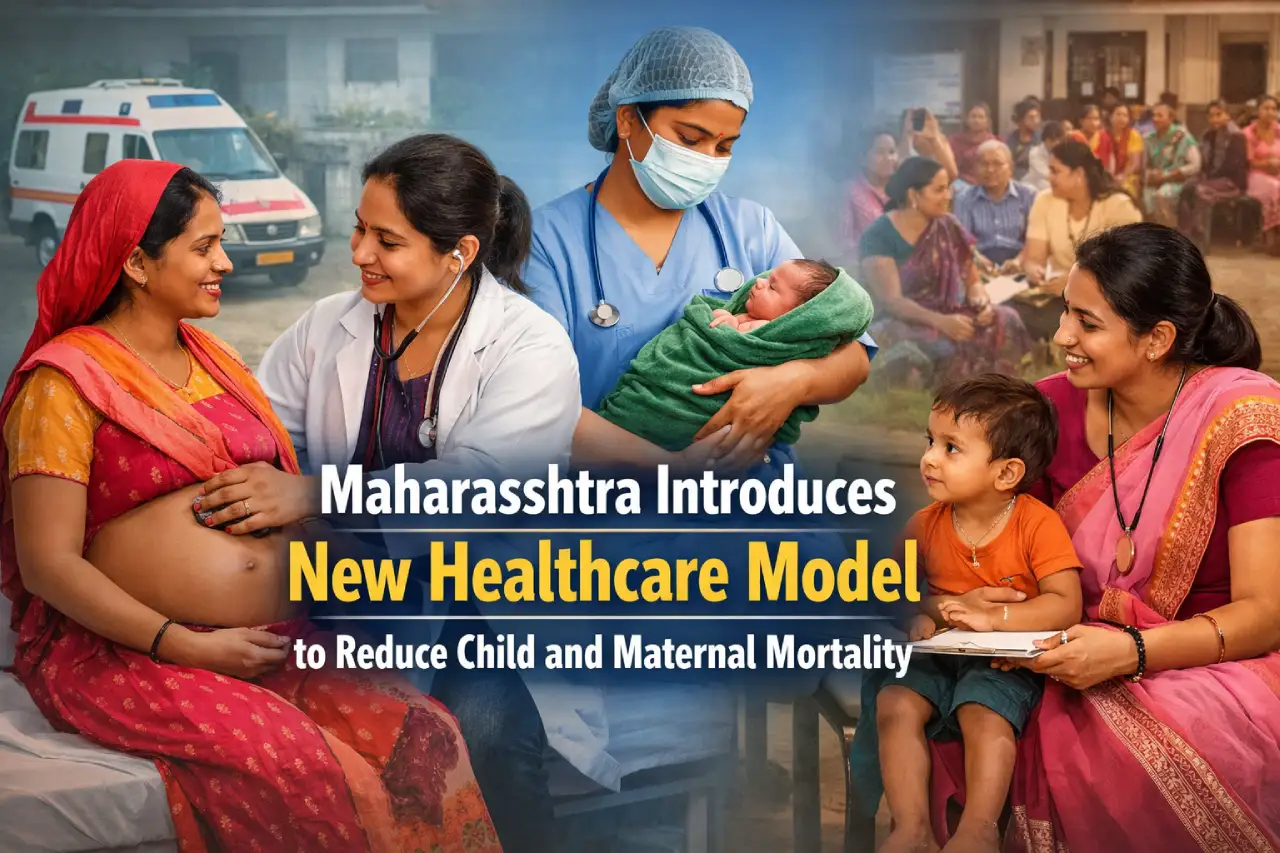
The Maharashtra public health department is preparing to roll out a first-of-its-kind “skill mix” programme aimed at bringing down maternal and child mortality rates across the state. The initiative is scheduled to begin next week and will initially be implemented in district, rural, and sub-district hospitals in Pune, Satara, and Solapur.
The programme is designed to strengthen healthcare services by making better use of the combined skills of doctors and nursing staff, particularly in emergency situations and high-risk maternal and child care cases. By improving coordination and task-sharing within medical teams, the state hopes to ensure quicker, more effective care for mothers and children.
I am writing about this initiative because maternal and child mortality remains a critical public health concern, particularly in rural and semi-urban areas. Programmes like this show a shift from traditional staffing models to more practical, skill-based healthcare solutions. Understanding how this approach works helps people see how policy changes at the hospital level can directly impact lives. It also highlights the importance of strengthening frontline healthcare services rather than relying only on infrastructure expansion.
What Is the ‘Skill Mix’ Programme
The skill mix programme is designed to ensure that healthcare workers with different qualifications and expertise work together efficiently. Instead of rigid role boundaries, the programme promotes task-sharing and enhanced skill utilisation among doctors, nurses, and support staff.
This approach helps hospitals respond better during critical situations, especially when specialist doctors may not be immediately available.
Where the Programme Will Be Implemented
In the initial phase, the programme will be implemented in:
- District hospitals
- Rural hospitals
- Sub-district hospitals
The rollout will cover healthcare facilities in Pune, Satara, and Solapur districts, allowing the government to assess its effectiveness before expanding it to other regions.
How the Programme Aims to Reduce Deaths
The main goal of the skill mix programme is to improve timely medical intervention for mothers and children. By training staff to handle specific procedures and emergencies, hospitals can reduce delays in treatment.
Key expected outcomes include:
- Faster response during childbirth emergencies
- Better newborn care
- Improved coordination among healthcare teams
- Reduced referral delays
Why This Initiative Matters
Child and maternal deaths are often linked to delayed care, shortage of specialists, and uneven skill distribution in hospitals. This programme directly addresses these gaps by strengthening the existing workforce rather than depending solely on new recruitment.
It reflects a practical, ground-level solution that can make a measurable difference in patient outcomes.