JOIN WHATSAPP
STORIES

Maharashtra Introduces New Healthcare Model to Reduce Child and Maternal Mortality

Maharashtra Introduces New Healthcare Model to Reduce Child and Maternal Mortality

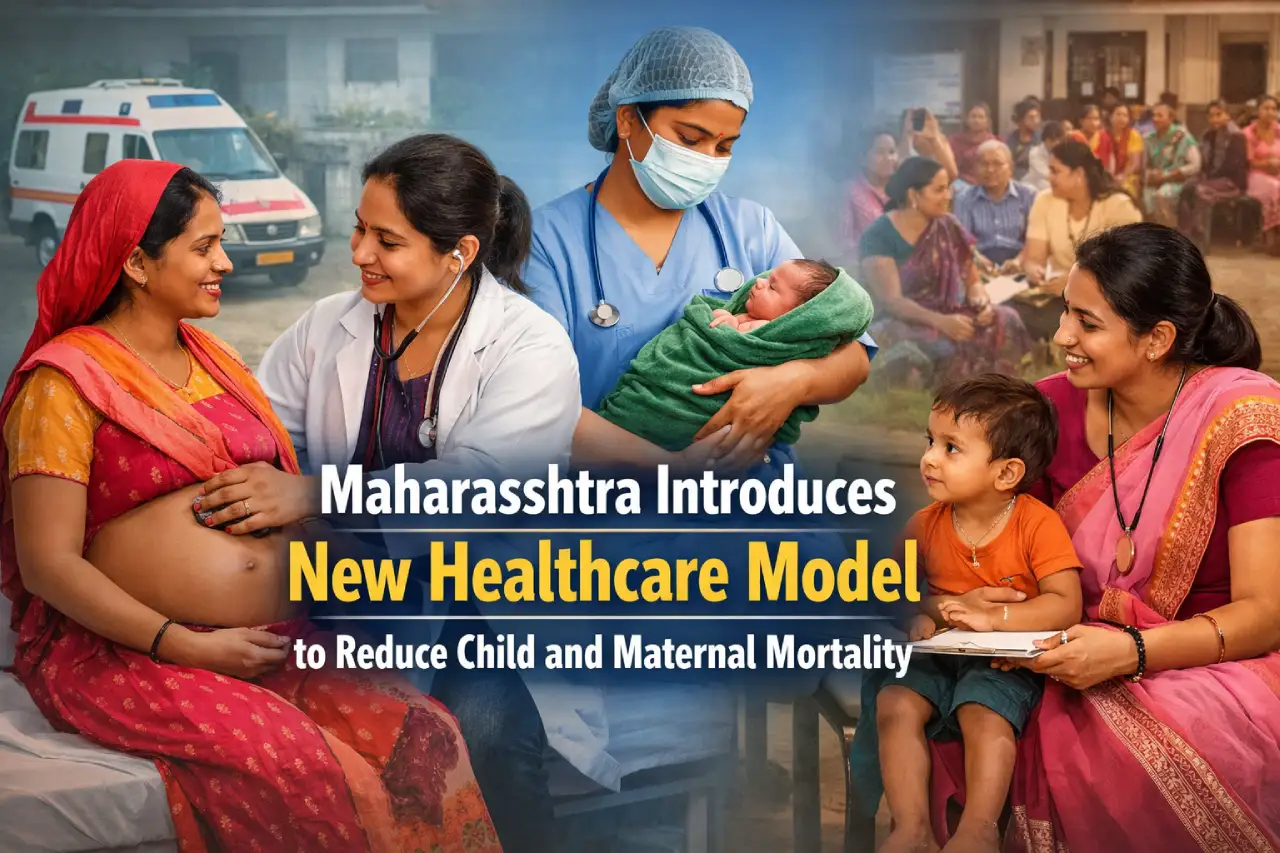
The Maharashtra public health department is preparing to roll out a first-of-its-kind “skill mix” programme aimed at bringing down maternal and child mortality rates across the state. The initiative is scheduled to begin next week and will initially be implemented in district, rural, and sub-district hospitals in Pune, Satara, and Solapur.

The programme is designed to strengthen healthcare services by making better use of the combined skills of doctors and nursing staff, particularly in emergency situations and high-risk maternal and child care cases. By improving coordination and task-sharing within medical teams, the state hopes to ensure quicker, more effective care for mothers and children.

I am writing about this initiative because maternal and child mortality remains a critical public health concern, particularly in rural and semi-urban areas. Programmes like this show a shift from traditional staffing models to more practical, skill-based healthcare solutions. Understanding how this approach works helps people see how policy changes at the hospital level can directly impact lives. It also highlights the importance of strengthening frontline healthcare services rather than relying only on infrastructure expansion.

What Is the ‘Skill Mix’ Programme

The skill mix programme is designed to ensure that healthcare workers with different qualifications and expertise work together efficiently. Instead of rigid role boundaries, the programme promotes task-sharing and enhanced skill utilisation among doctors, nurses, and support staff.

This approach helps hospitals respond better during critical situations, especially when specialist doctors may not be immediately available.

Where the Programme Will Be Implemented

In the initial phase, the programme will be implemented in:

  • District hospitals
  • Rural hospitals
  • Sub-district hospitals

The rollout will cover healthcare facilities in Pune, Satara, and Solapur districts, allowing the government to assess its effectiveness before expanding it to other regions.

How the Programme Aims to Reduce Deaths

The main goal of the skill mix programme is to improve timely medical intervention for mothers and children. By training staff to handle specific procedures and emergencies, hospitals can reduce delays in treatment.

Key expected outcomes include:

  • Faster response during childbirth emergencies
  • Better newborn care
  • Improved coordination among healthcare teams
  • Reduced referral delays

Why This Initiative Matters

Child and maternal deaths are often linked to delayed care, shortage of specialists, and uneven skill distribution in hospitals. This programme directly addresses these gaps by strengthening the existing workforce rather than depending solely on new recruitment.

It reflects a practical, ground-level solution that can make a measurable difference in patient outcomes.

Leave a Comment

End of Article

How Online Education Is Helping Maharashtra Students Improve Math and English Skills

How Online Education Is Helping Maharashtra Students Improve Math and English Skills

Digital learning has quietly changed the way many students across Maharashtra approach difficult subjects like Mathematics and English. For one student who once struggled with basic concepts, online learning tools became a turning point. With access to interactive lessons, recorded explanations, and regular practice tests, the student was able to learn at a comfortable pace. Over time, weak areas in maths calculations and English comprehension improved, leading to better confidence and noticeable academic progress.

I am writing about this topic because stories like these reflect a larger shift happening in education. Many students still believe that struggling in subjects means they are not capable, which is not true. The right learning support can make a big difference. Digital learning is no longer just an option for urban or elite students, it is becoming a practical solution for learners from different backgrounds who need personalised attention and flexible study methods.

The Challenge Many Students Face

Subjects like Mathematics and English often create fear among students. Maths demands clarity of concepts and constant practice, while English requires reading, listening, and confidence in expression. In traditional classrooms, students who fall behind may hesitate to ask questions, leading to long-term gaps in learning. This is exactly where digital learning tools have started to help bridge the gap.

How Digital Learning Changed the Learning Process

Digital platforms allow students to revisit lessons as many times as needed. Instead of moving at the pace of the classroom, the Maharashtra student could pause videos, revise concepts, and practise questions repeatedly.

Some key benefits included:

  • Step-by-step explanations for maths problems
  • Grammar and vocabulary practice through interactive exercises
  • Instant feedback on tests and quizzes
  • Learning without fear of judgement

This personalised approach helped build understanding and confidence.

Improvement in Mathematics Skills

For maths, digital learning provided structured practice. Concepts like fractions, algebra, and problem-solving became easier through visual explanations and guided practice sessions. Regular mock tests helped the student identify mistakes early and correct them before exams.

Over time, maths shifted from being a fear subject to one of the student’s stronger areas.

Growth in English Language Skills

English improvement came through consistent exposure. Listening to recorded lessons improved pronunciation, while reading-based exercises strengthened comprehension. Writing tasks with sample answers helped the student understand sentence structure and grammar usage.

Slowly, the student became more confident in reading passages and answering questions, both in exams and daily classroom activities.

Role of Self-Paced Learning

One of the biggest advantages of digital education is self-paced learning. The student could study early in the morning or late in the evening, depending on comfort. This flexibility reduced pressure and allowed learning to happen naturally, without stress.

From my point of view, this freedom is especially helpful for students who need more time to understand concepts.

Support from Teachers and Parents

Digital learning worked best when supported by guidance. Teachers helped track progress through performance reports, while parents encouraged regular study habits at home. This combined effort ensured the student stayed consistent and motivated.

Why This Matters for Other Students

This story is not unique. Many students across Maharashtra and other states are benefiting in similar ways. Digital learning does not replace teachers, but it strengthens learning by offering extra support where needed.

Students who struggle should see this as proof that improvement is possible with the right tools.

Leave a Comment

End of Article

Loading more posts...