Maharashtra School Education Minister Dadaji Bhuse has announced that all schools in the state — including those affiliated with CBSE, ICSE, Cambridge, and international boards — must teach the Marathi language and include the singing of the state song as part of school activities. The directive, which aims to promote linguistic pride and cultural identity, was confirmed in an official statement released on Thursday.
Minister Bhuse said the move is in line with the Maharashtra Official Language Act and the government’s long-standing efforts to ensure that every child in the state understands and appreciates Marathi — the language deeply tied to the state’s heritage and values. By making both the teaching of Marathi and the singing of the state song compulsory, the government hopes to foster a stronger sense of unity and respect for the local culture among students from diverse backgrounds studying in Maharashtra.
I am writing about this because language and culture form the foundation of education. In a multilingual country like India, such decisions often spark discussions about identity, inclusivity, and the role of local languages in global curricula. This step by Maharashtra’s education department is not just about enforcing a rule — it reflects a broader intent to preserve cultural roots while embracing academic diversity. For students studying in international or non-state board schools, this directive may help them connect more deeply with their surroundings and understand the local ethos better.
Marathi language now mandatory across all education boards
The new directive applies to all schools operating in Maharashtra, irrespective of the board or medium of instruction. This means that schools affiliated with CBSE, ICSE, IGCSE, IB, Cambridge, or any other national or international boards will now have to include Marathi as a compulsory subject up to a certain grade level.
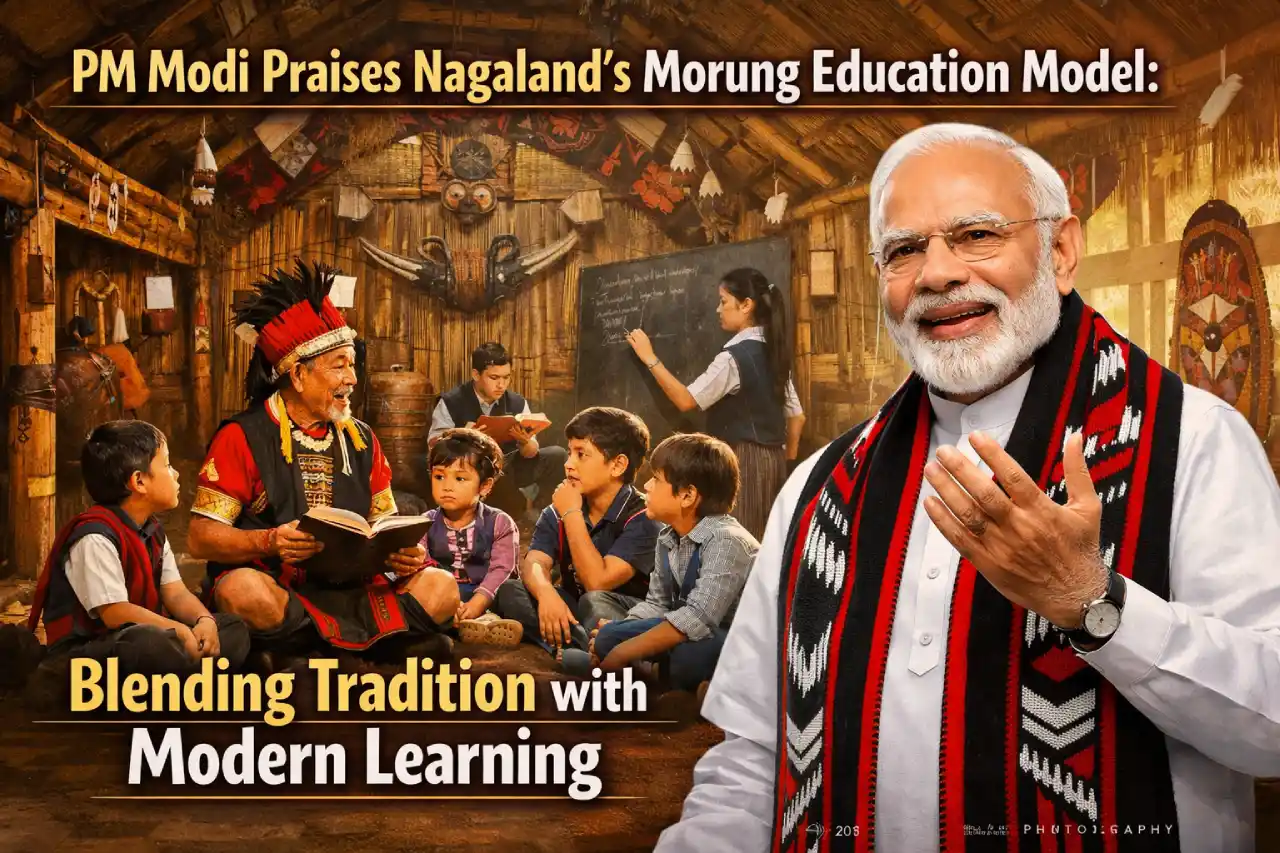
Minister Bhuse emphasised that Marathi is not just a subject but an emotional and cultural connector for the people of Maharashtra. “Our language carries the essence of our traditions, values, and identity. Every child studying in the state must have the opportunity to learn and appreciate Marathi, whether they come from Maharashtra or any other part of the world,” he said.
The Education Department will soon issue detailed implementation guidelines, including how non-state board schools can integrate Marathi into their existing curriculum.
Singing of the state song made compulsory
Along with the language mandate, the minister also announced that schools must include the singing of the Maharashtra state song — “Jai Jai Maharashtra Maza” — during daily assemblies or special events. The song, written by Ramakant Ramakant and composed by Shridhar Phadke, is considered a symbol of Maharashtra’s pride and unity.
According to the statement, schools have been instructed to treat this activity with the same respect and regularity as the national anthem. Officials believe this initiative will help students develop an early emotional connection with the state’s history, culture, and traditions.
Policy background and previous initiatives
The Maharashtra government has been consistently working to promote Marathi in education over the past few years. In 2020, the state passed the Maharashtra Compulsory Teaching and Learning of Marathi Language in Schools Act, which made Marathi a mandatory subject up to Class 10 across all boards.
This new announcement strengthens that law by ensuring stricter compliance and extending the scope to include cultural participation through the state song. The education department will monitor the implementation through district-level education officers and school inspections.
Why this move is significant
Language plays a crucial role in shaping identity and fostering social harmony. By ensuring that every student, regardless of their background or school board, learns Marathi, the government aims to create a more inclusive educational environment that recognises both global exposure and local belonging.
Moreover, the move is seen as an effort to balance Maharashtra’s growing international academic landscape — especially in cities like Mumbai and Pune, where international schools are on the rise — with the preservation of regional culture.
Education experts have noted that such initiatives help young learners gain a deeper understanding of their community and surroundings. “Children studying in global curricula often miss out on learning local languages, which limits their social connection with peers outside their academic circles,” said an educationist from Pune.
Implementation and compliance
The directive requires schools to begin implementation immediately, with clear timelines expected to be communicated soon. Schools will be required to:
- Include Marathi as a compulsory subject up to a specified grade.
- Conduct regular classes taught by qualified Marathi teachers.
- Incorporate the singing of the state song “Jai Jai Maharashtra Maza” in school assemblies and events.
- Submit compliance reports to the district education offices.
The Education Department has also warned of action against schools that fail to comply with the order.
Balancing cultural education with global exposure
In my view, Maharashtra’s decision to make Marathi and the state song compulsory is both a cultural reaffirmation and an educational balancing act. While international and national boards bring global perspectives to classrooms, regional languages and traditions keep students rooted in their local context. This move ensures that global learning does not come at the cost of cultural disconnection.
For non-Marathi students, this could be a valuable opportunity to learn a new language and appreciate local customs. And for Marathi-speaking students, it reinforces pride in their linguistic heritage.