JOIN WHATSAPP
STORIES

Medical Stream in 2026: How to Know If This Career Path Is Right for You

Medical Stream in 2026: How to Know If This Career Path Is Right for You

Choosing the medical stream after school is one of the biggest academic decisions a student can make, especially for those planning their future in 2026. Medicine is often seen as a noble and respected profession, but it also demands years of hard work, emotional strength, and long-term commitment. Before opting for PCB and setting your sights on medical entrance exams, it is important to understand what the journey actually looks like beyond textbooks and exam halls.

I am writing about this topic because every year, many students choose the medical stream due to pressure, trends, or assumptions rather than clarity. I have seen students struggle later because they were not fully aware of what this path demands. This article aims to help students and parents pause, reflect, and make an informed decision. Knowing whether medical is right for you can save years of stress and help you choose a path that truly matches your interests and abilities.

What Choosing the Medical Stream Really Means

The medical stream is not just about becoming a doctor. It starts with studying Physics, Chemistry, and Biology in Classes 11 and 12, followed by intense competition in entrance exams.

Once selected, the journey includes:

  • Long academic years with heavy syllabus
  • Regular exams and practical assessments
  • Internship and training periods
  • Emotional exposure to illness, pain, and loss

This path requires patience and consistency over many years.

Ask Yourself These Honest Questions

Before choosing medical, it helps to reflect honestly. Ask yourself:

  • Do I genuinely enjoy studying Biology in depth?
  • Am I comfortable studying for long hours every day?
  • Can I handle pressure, competition, and delayed success?
  • Am I emotionally strong enough to deal with human suffering?

If most of your answers are unsure, it may be worth exploring other options.

Skills That Matter More Than Marks

Good marks are important, but they are not everything in medicine. Successful medical students usually develop certain qualities over time.

These include:

  • Strong observation and analytical skills
  • Discipline and time management
  • Empathy and patience
  • Willingness to keep learning throughout life

If you naturally relate to these traits, the medical field may suit you well.

Understanding the Competition in 2026

Medical admissions are highly competitive, and this trend is expected to continue in 2026. Limited seats and a large number of aspirants mean that preparation needs to be serious and structured.

Students should be mentally prepared for:

  • Multiple attempts if required
  • Backup plans alongside medical preparation
  • Balancing school studies with entrance coaching

Knowing this reality early helps reduce shock later.

Career Options Beyond Becoming a Doctor

One common myth is that medical stream only leads to becoming an MBBS doctor. In reality, there are many career paths available.

Some alternatives include:

  • Nursing and allied health sciences
  • Pharmacy and pharmaceutical research
  • Biotechnology and biomedical sciences
  • Public health, healthcare management, and research

Understanding these options makes the medical stream more flexible than most people think.

When Medical May Not Be the Right Choice

Medical may not be the best fit if:

  • You dislike Biology but are choosing it due to family pressure
  • You want quick financial independence
  • You struggle with long-term academic commitment
  • You are uncomfortable with hospital environments

There is no failure in choosing a different stream that suits you better.

How Parents Can Support This Decision

Parents play a crucial role in this choice. Support does not mean pushing, but listening and guiding.

Helpful steps include:

  • Discussing interests openly without judgement
  • Consulting career counsellors if needed
  • Allowing students to explore multiple career paths
  • Focusing on long-term happiness, not social comparison

A supportive environment helps students make confident decisions.

Leave a Comment

End of Article

Career vs Job Explained Clearly: Key Differences, Examples and How to Choose the Right Path

Career vs Job Explained Clearly: Key Differences, Examples and How to Choose the Right Path

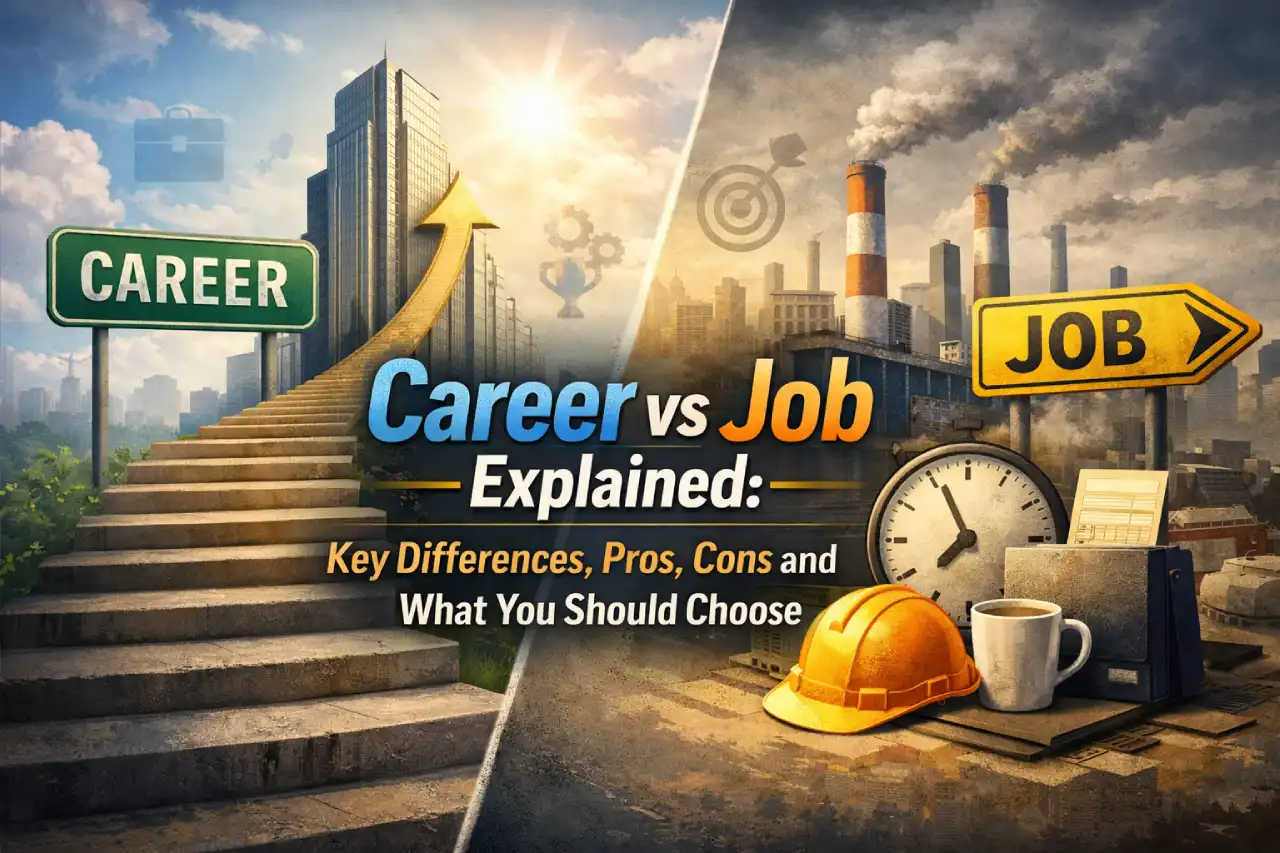
If you are confused between a job and a career, you are not alone. Many people use these two words interchangeably, but they actually mean different things. A job is something you do to earn money, usually for a short-term purpose, while a career is a long-term journey built around your skills, interests, and goals. Understanding this difference is important, especially if you are planning your future or thinking about what you really want to achieve in life.

I am writing about this because I have seen many students and even working professionals struggle with this confusion. Some people jump from one job to another without direction, while others feel stuck because they are not sure what they are working towards. Knowing the difference between a job and a career can help you make better decisions, stay focused, and build a path that gives both financial stability and personal satisfaction.

What is a Job

A job is a role where you work for a company or organisation in exchange for money.

Key features of a job:

  • Short-term focus
  • Mainly done to earn income
  • Limited connection with long-term goals
  • Fixed responsibilities
  • Less emphasis on growth or passion

For example, working as a cashier, delivery executive, or temporary office assistant can be considered a job.

What is a Career

A career is a long-term professional journey where you grow, learn, and build your identity over time.

Key features of a career:

  • Long-term vision
  • Focus on growth and development
  • Connected with your interests and skills
  • Offers progression and opportunities
  • Builds expertise over time

For example, becoming a teacher, engineer, doctor, or writer is part of a career path.

Career vs Job: Key Differences

Here is a simple comparison to understand the difference clearly:

AspectJobCareer
DurationShort-termLong-term
PurposeEarn moneyBuild future
GrowthLimitedContinuous
MotivationSalaryPassion + growth
StabilityTemporaryMore stable over time

From my perspective, a job can be a part of your career, but not every job leads to a meaningful career.

Can a Job Become a Career

Yes, a job can turn into a career if you approach it with the right mindset.

  • If you learn new skills in your job
  • If you grow within the same field
  • If you set long-term goals

For example, starting as a junior employee and growing into a manager or expert can turn a job into a career.

Why Understanding the Difference Matters

Knowing the difference can help you:

  • Make better career decisions
  • Avoid feeling lost or stuck
  • Choose jobs that align with your goals
  • Plan your future more effectively

In my opinion, this clarity can save you years of confusion and frustration.

How to Choose Between a Job and a Career

If you are just starting out, it is okay to take a job. But over time, you should think about building a career.

Ask yourself:

  • What are my interests and strengths
  • Where do I see myself in 5 or 10 years
  • Am I learning something valuable in my current role
  • Does this job help me grow

Your answers will guide your decisions.

Common Mistakes People Make

Many people unknowingly make these mistakes:

  • Choosing jobs only based on salary
  • Not planning long-term goals
  • Ignoring skill development
  • Staying in comfort zones for too long

From what I have seen, avoiding these mistakes can make a big difference in your journey.

Tips to Build a Strong Career

If you want to move from a job mindset to a career mindset, here are some simple tips:

  • Keep learning and upgrading your skills
  • Set clear long-term goals
  • Network with people in your field
  • Take calculated risks
  • Stay consistent and patient

Building a career takes time, but it is worth the effort.

Leave a Comment

End of Article

Loading more posts...