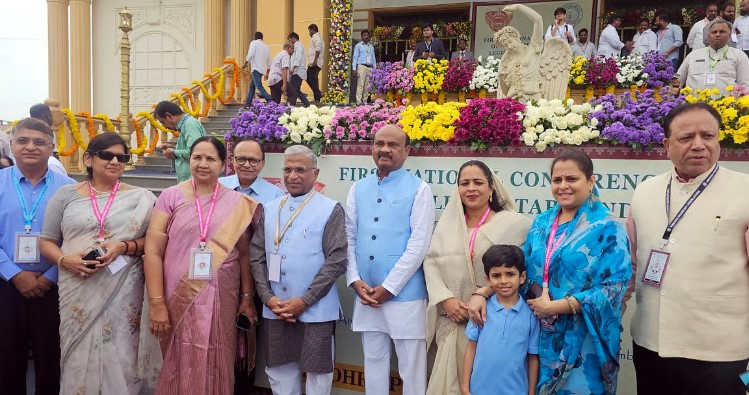
MLA Jhooma Solanki has called for a stronger push towards digital education for women in Madhya Pradesh, stating that access to technology and digital skills is now essential for their growth. She highlighted that without digital learning opportunities, women risk being left behind in education, employment, and entrepreneurship.
I am writing about this because women’s education, especially in rural and semi-urban areas, often gets limited to traditional methods. At a time when most services, jobs, and even small businesses are moving online, digital literacy is no longer a luxury but a necessity. This discussion is important as it addresses how women, particularly from underprivileged backgrounds, can become financially independent if they gain access to digital learning tools. By covering this topic, I want to draw attention to how leaders like Jhooma Solanki are pointing out a gap that directly impacts social and economic growth. It reminds us that bridging the digital divide is not just about gadgets, but about equal opportunities and empowerment.
Why Digital Education Matters For Women
Digital education is not only about using mobile phones or computers but also about equipping women with the skills to:
- Apply for jobs and online opportunities
- Start small businesses and access e-commerce platforms
- Use digital banking and financial tools
- Stay connected with government schemes and health services
For many women in Madhya Pradesh, especially in rural areas, these skills can help them step out of dependency and make independent choices.
Jhooma Solanki’s Emphasis
MLA Solanki underlined that while infrastructure development is important, digital literacy programmes should be given equal priority. She suggested:
- Setting up digital training centres in villages
- Ensuring affordable internet access for women
- Providing special scholarships for girls to study technology-related subjects
- Collaborating with NGOs to reach women in remote areas
Challenges On Ground
Despite government efforts, many women still lack access to smartphones or internet facilities. Social barriers also play a role, as families often do not prioritise digital learning for girls. Solanki’s statement is a reminder that policies must go beyond announcements and ensure actual implementation at the ground level.