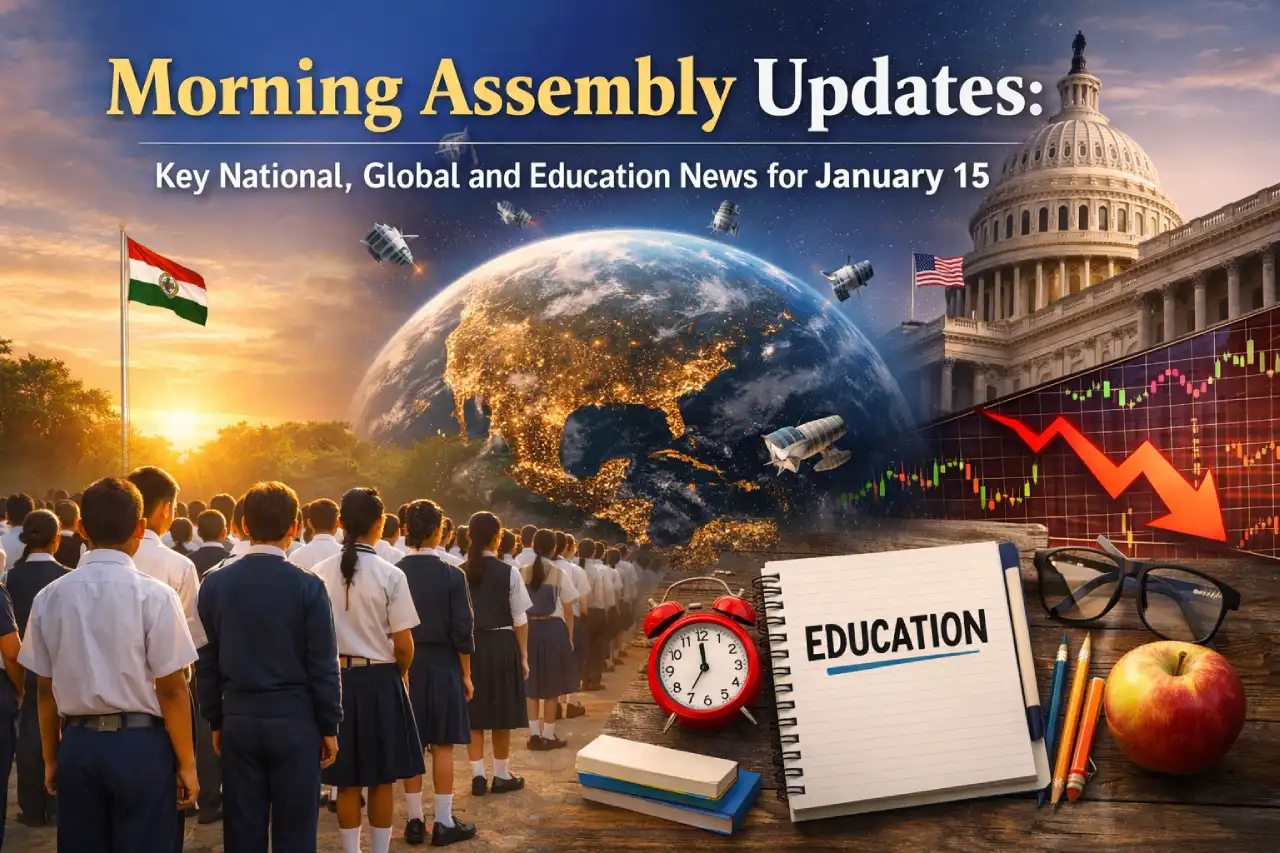
School assembly news headlines for January 15 bring together the most important national, international and education-related updates that students should be aware of before starting their day. These headlines are carefully picked to help students understand what is happening around them, from policy decisions and global developments to changes in the education sector. Sharing such news during the morning assembly helps build awareness, confidence, and better communication skills among students.
I am writing about today’s school assembly headlines because staying informed from a young age plays a big role in shaping responsible and aware citizens. When students regularly listen to and speak about current events, it improves their general knowledge and prepares them for competitive exams, debates, and real-life discussions. January 15 brings several updates that are relevant, easy to understand, and suitable for sharing in school assemblies.
National News Headlines
Several key developments across the country are making news today and are worth sharing with students.
- The government continues preparations related to civic body elections in multiple states, with authorities ensuring smooth and fair voting.
- Discussions around education reforms and student welfare schemes remain in focus, especially at the state level.
- National Youth Day events and follow-up programmes are being organised in many regions to encourage youth participation in nation-building.
- Public awareness campaigns related to health, digital safety, and cleanliness are being strengthened across urban and rural areas.
These headlines help students understand how government decisions directly affect people’s daily lives.
International News Headlines
Global news gives students a wider perspective beyond national boundaries and helps them understand international relations.
- World leaders are holding talks on economic cooperation and climate-related commitments.
- International organisations are highlighting the need for peace and humanitarian support in conflict-affected regions.
- Several countries are reviewing education and migration policies to support students and skilled professionals.
- Global markets are reacting to changes in fuel prices and economic data released this week.
Such updates help students develop a global outlook and understand how countries are interconnected.
Education News Headlines
Education-related news is especially important for school assemblies as it directly concerns students and teachers.
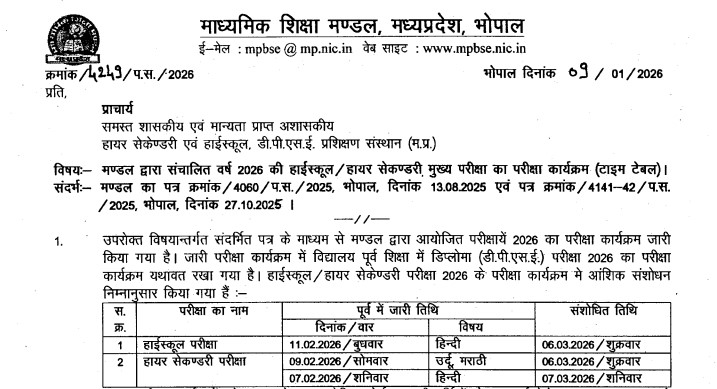
- Education boards and institutions are issuing important notifications related to exams, admissions, and academic calendars.
- New initiatives focusing on student mental health, digital learning, and skill development are being discussed.
- Schools and colleges across states are participating in awareness programmes linked to youth development and innovation.
- Authorities are encouraging schools to adopt activity-based learning and value education alongside academics.
These headlines keep students informed about changes that may impact their studies and future plans.
Why School Assembly News Matters
School assembly news is not just about reading headlines aloud. It helps students improve public speaking, stay updated, and build the habit of following current affairs. Regular exposure to news also supports exam preparation and sharpens critical thinking.
From my experience, students who actively participate in sharing news during assemblies become more confident and aware over time.