JOIN WHATSAPP
STORIES

MP Board Exam 2026 Schedule Updated: New Dates for Class 10 and 12 Papers Announced

MP Board Exam 2026 Schedule Updated: New Dates for Class 10 and 12 Papers Announced

The Madhya Pradesh Board of Secondary Education has officially revised the exam dates for a few Class 10 and Class 12 board papers scheduled in 2026. The updated timetable affects selected language papers for both High School and Higher Secondary examinations. Students who were preparing as per the earlier dates should now take note of the revised schedule and adjust their revision plans accordingly. The changes have been made public through an official notification to avoid confusion and ensure smooth conduct of examinations.

I am writing about this update because even small changes in board exam dates can cause unnecessary stress if students and parents are not informed in time. Board exams are already a high-pressure phase, and clarity on dates plays a big role in planning revision and mental preparation. This article clearly explains what has changed, which exams are affected, and what students should do next so that no one is caught off guard.

MP Board Exam Date Revision: What Changed

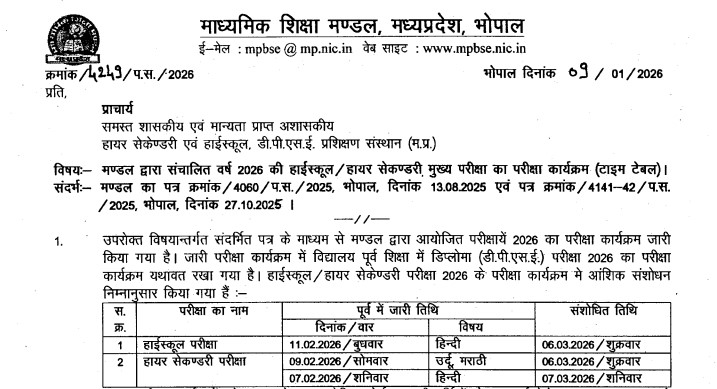
The exam date revision has been announced by the Madhya Pradesh Board of Secondary Education. According to the revised schedule, some language papers for Class 10 and Class 12, which were earlier planned in February, have now been shifted to early March 2026.

The board has advised students to follow only the revised dates and not rely on the older timetable.

Revised MP Board Class 10 and 12 Exam Dates 2026

Below is a clear comparison of the previously scheduled dates and the revised dates announced by MPBSE.

S. No.Name of ExaminationSubjectPreviously Scheduled DateRevised Date
1High School Examination (Class 10)Hindi11.02.2026 (Wednesday)06.03.2026 (Friday)
2Higher Secondary Examination (Class 12)Urdu / Marathi09.02.2026 (Monday)06.03.2026 (Friday)
3Higher Secondary Examination (Class 12)Hindi07.02.2026 (Saturday)07.03.2026 (Saturday)

Students should note that only these specific papers have been rescheduled. Other exam dates remain unchanged unless notified separately.

Why the MP Board Revised the Exam Dates

While the board has not gone into detailed reasons, such changes are usually made to manage logistics, avoid clashes, or ensure fair conduct of examinations. From experience, boards often revise dates to accommodate administrative or academic requirements that come up after the initial timetable is released.

The important thing for students is that the board has announced the changes well in advance.

What Students Should Do Now

Students appearing for MP Board exams in 2026 should take these steps:

  • Update their personal exam timetable with the revised dates
  • Inform parents and teachers about the changes
  • Adjust revision plans for Hindi, Urdu, or Marathi papers
  • Keep checking the official MPBSE website for further updates

There is no need to panic, as the revised dates actually give students more preparation time.

Advice for Class 10 and 12 Students

From my point of view, date changes can be used positively if handled calmly. The extra gap before exams can help students strengthen weak areas, revise writing practice, and improve time management. Instead of rushing, students should use this time wisely and stick to a structured study plan.

Where to Check Official Updates

Students are advised to rely only on official notices released by MPBSE and information shared by their schools. Avoid rumours or unofficial social media posts that may cause confusion.

Check this Official Notification: Click Here
Leave a Comment

End of Article

India–Germany Education Partnership Explained: New Roadmap, Campus Plans and Student Benefits

India–Germany Education Partnership Explained: New Roadmap, Campus Plans and Student Benefits

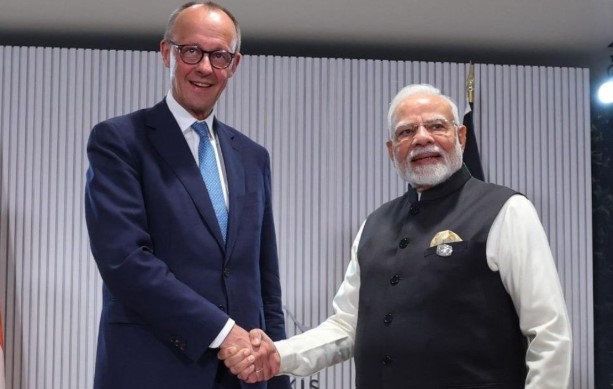
India and Germany have taken a significant step towards strengthening their education partnership by adopting a new higher education roadmap that places universities, research, and student mobility at the centre of bilateral cooperation. The announcement was made during the official visit of German Chancellor Friedrich Merz to Gandhinagar, where discussions focused on deepening academic ties and expanding opportunities for students in both countries. A key highlight was the push for greater collaboration between Indian and German universities.

I am writing about this development because it directly impacts students who are looking for global exposure, quality education, and international career opportunities without necessarily leaving India. With foreign universities being encouraged to expand their presence here, students may soon have access to world-class education closer to home. This roadmap signals a shift in how international education partnerships are being designed, with students at the heart of policy decisions.

What the India–Germany Higher Education Roadmap Is About

The newly adopted roadmap aims to deepen cooperation in higher education, research, and innovation between the two countries. Instead of limited exchange programmes, the focus is now on long-term institutional partnerships, joint research, and smoother student mobility.

During the meeting, Narendra Modi invited German institutions to establish campuses in India, aligning with the country’s broader goal of internationalising its higher education ecosystem.

Why Germany Is an Important Education Partner

Germany is globally known for its strong technical universities, research-driven education system, and industry-linked courses. Indian students already form a large part of the international student population in Germany, especially in engineering, science, and applied research fields.

This roadmap builds on that existing trust and aims to make collaboration more structured, accessible, and beneficial for a wider group of students.

Campus Expansion: What It Means for Indian Students

One of the most important aspects of this roadmap is the encouragement for German universities to set up campuses or joint centres in India. If implemented effectively, this could mean:

  • Access to German-quality education within India
  • Joint degrees recognised in both countries
  • Lower overall cost compared to studying abroad
  • Stronger industry and research exposure

For many students, this could remove financial and visa-related barriers to international education.

Boost to Student Mobility and Exchanges

Student mobility remains a key pillar of the roadmap. The idea is not just to send more Indian students to Germany, but also to attract German students and researchers to India. This two-way movement helps create diverse classrooms and shared academic experiences.

The roadmap also aims to simplify processes related to credit transfer, joint supervision of research, and short-term exchange programmes.

Focus on Research, Innovation, and Skills

Beyond degrees, the partnership places strong emphasis on collaborative research and skill development. Areas such as climate change, sustainable development, artificial intelligence, and advanced manufacturing are expected to see increased joint projects.

From my point of view, this is crucial because future careers will depend heavily on research exposure and problem-solving skills, not just classroom learning.

How This Aligns With India’s Education Goals

India’s push to invite foreign universities fits well with its broader education reforms aimed at making the country a global education hub. International campuses can raise academic standards, encourage competition, and give students more choices.

At the same time, partnerships like this allow Indian institutions to learn from global best practices without losing their local relevance.

What Students Should Watch Out For

While the roadmap is promising, students should keep an eye on official announcements regarding:

  • Which German universities plan to open campuses in India
  • Details of joint degree or exchange programmes
  • Admission criteria and fee structures
  • Recognition and accreditation of new courses

Clear guidelines will determine how soon students can benefit from these plans.

Leave a Comment

End of Article

Loading more posts...