JOIN WHATSAPP
STORIES

NCERT Class 10 Science Chapter 2 PDF – Acids, Bases and Salts (Free Download)

NCERT Class 10 Science Chapter 2 PDF – Acids, Bases and Salts

Chapter 2 of the Class 10 Science NCERT textbook – Acids, Bases and Salts – is one of the most conceptually important chapters in Chemistry. It introduces you to the basics of acid and base theory, pH scale, neutralisation reactions, and different types of salts formed in daily life. Whether it’s lemon juice, baking soda or washing powder, this chapter gives scientific explanations behind things we use every day. The NCERT book explains all this with simple language, diagrams and examples that make the concepts easy to understand.

I’m writing about this topic because I’ve seen many students struggle to understand the core ideas of acids and bases, especially when it comes to practical application. Questions in board exams are no longer just about definitions; they test your ability to apply concepts to real-life situations. This chapter builds the foundation for further studies in Chemistry in higher classes. Having a PDF version of the chapter helps students revise and practise from anywhere without needing to carry the textbook. If you are serious about your Science preparation for Class 10 boards, this chapter needs your attention from Day 1.

What You’ll Learn in Chapter 2: Acids, Bases and Salts

Here’s a breakdown of the main topics covered in this chapter:

  • What are acids and bases? – With examples
  • Types of acids and bases – Strong, weak, concentrated, dilute
  • Indicators – Litmus, phenolphthalein, methyl orange, and natural indicators
  • Reactions of acids and bases with:
    • Metals
    • Metal carbonates and bicarbonates
    • Metal oxides
    • Each other (neutralisation)
  • The concept of pH and its importance
  • pH in everyday life – Soils, digestion, toothpaste, bee stings etc.
  • Common salts – Sodium chloride and its derivatives
  • Chemicals from common salt – Baking soda, washing soda, bleaching powder, plaster of Paris

Each topic includes clear explanations, experiments and questions for practice.

How This Chapter Helps in Exam Preparation

  • High weightage in board exams
  • Important for case-based and MCQ-type questions
  • Strong foundation for Class 11 and 12 Chemistry
  • Useful for competitive exams like NTSE, Olympiads, NEET basics

Many numerical questions are based on salt formation, and pH-based logic questions often appear in board papers. So understanding the theory and practising application is crucial.

Download PDF

Click here to download NCERT Class 10 Science Chapter 2: Acids, Bases and Salts PDF
Leave a Comment

End of Article

NCERT Class 11 History Chapter 3 PDF (Hindi): यायावर साम्राज्य

NCERT Class 11 History Chapter 3 PDF (Hindi): यायावर साम्राज्य

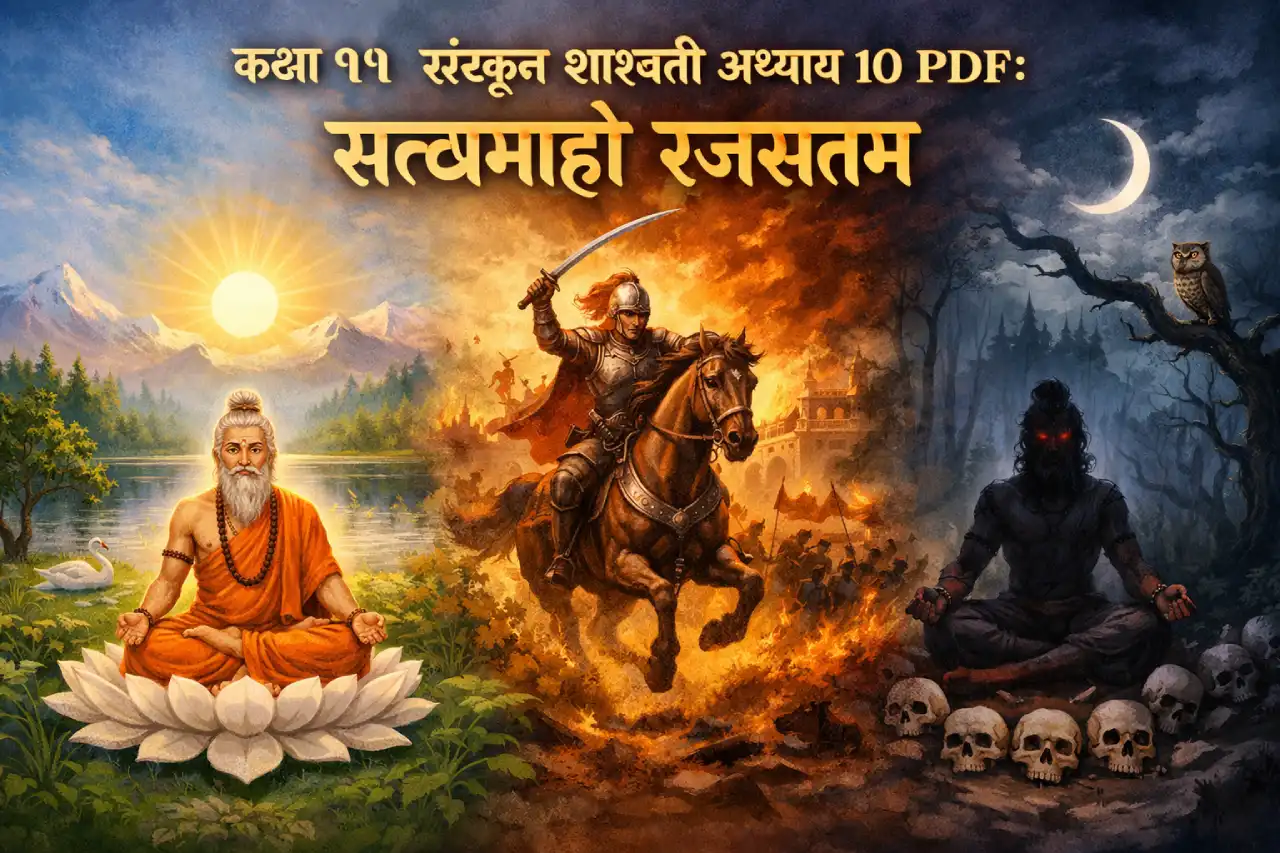
Chapter 3 of Class 11 History (Hindi Medium), यायावर साम्राज्य, introduces us to the powerful nomadic groups who lived on grasslands and shaped world politics through their mobility and warfare skills. Unlike settled civilizations, these groups did not build fixed cities. Instead, they lived in tents, moved across open steppe lands, and controlled vast territories using trained cavalry, swift horses, and disciplined armies. This chapter mainly focuses on the Mongols and the rise of the great leader Genghis Khan, who built one of the largest empires in world history.

The Mongols break this idea completely; they ruled not through stone buildings but with strategy, speed, and unity. They controlled long trade routes like the Silk Road, protected traveling merchants, and brought different cultures in contact with each other. Even though they were feared for their battles, they also encouraged trade, promoted communication, and created connections between Europe and Asia. This chapter helps us realise that history is not only written in monuments, but also in movement, leadership, and cultural exchange. Understanding the nomadic empire changes our view of how societies grow without cities and how mobility can be a source of power.

About Chapter 3: यायावर साम्राज्य

This chapter explains who nomads were, how they lived, how they organized themselves, and how they built one of the most influential empires.

Who Were the Nomads?

Nomads were communities that moved from one place to another instead of settling permanently. They traveled with:

  • Herds of sheep, horses, goats, camels
  • Portable tents (known as yurts)
  • Weapons designed for horseback combat

Rise of Genghis Khan

Genghis Khan, originally named Temujin, united different Mongol tribes and became a legendary leader.

LeaderContribution
Genghis KhanUnited tribes, created military discipline, expanded the empire through conquests
Ögedei KhanStrengthened administration, continued expansion
Mongke and Kublai KhanControlled trade, governed China, expanded diplomacy

Military Strength of Nomadic Empires

The Mongols excelled in warfare because they:

  • Used fast-moving cavalry
  • Had skilled archers
  • Traveled long distances quickly
  • Used psychological tactics to scare enemies
  • Practiced strict discipline and loyalty to leaders

Life, Economy, and Trade Under Mongols

Nomads earned their income mainly from livestock, but they also:

  • Controlled trade routes
  • Protected merchants and caravans
  • Collected taxes from conquered regions
  • Encouraged cultural interaction between Asian and European societies

Mongols and Administration

Though nomads, Mongol leaders were advanced administrators. They:

  • Appointed local officials to collect revenue
  • Respected multiple religions
  • Developed law codes
  • Promoted communication systems using horse messengers

This governance helped maintain control over a huge and diverse empire.

NCERT Class 11 History Chapter 3 PDF Download (Hindi Medium)

Students can download the official NCERT Class 11 History Chapter 3 PDF (Hindi): यायावर साम्राज्य from here.

Leave a Comment

End of Article

Loading more posts...