JOIN WHATSAPP
STORIES

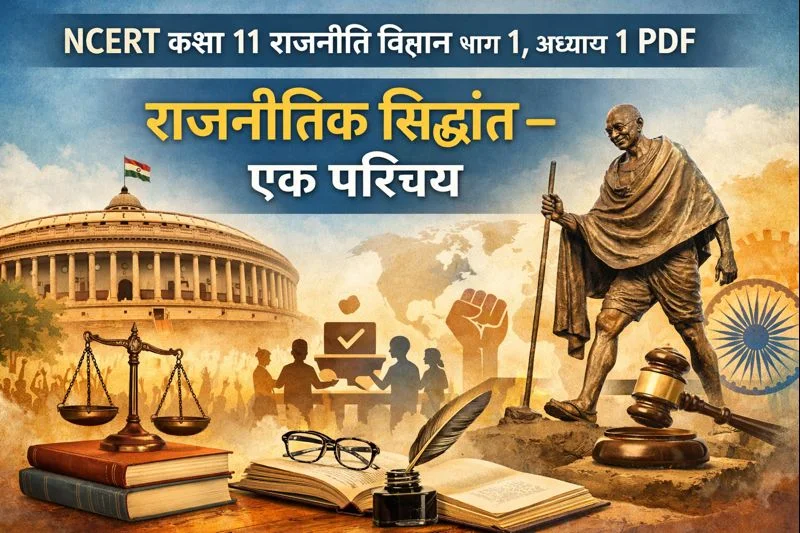
NCERT Class 11 Political Science Part 1 Chapter 1 PDF (Hindi): राजनीतिक सिद्धांत – एक परिचय

NCERT Class 11 Political Science Part 1 Chapter 1 PDF (Hindi): राजनीतिक सिद्धांत – एक परिचय

Chapter 1 of Class 11 Political Science Part 1 (Hindi Medium), titled राजनीतिक सिद्धांत – एक परिचय, introduces students to the basic ideas that shape political thinking. This chapter explains what political theory is, why it matters, and how ideas like freedom, equality, justice, rights, and democracy influence our everyday lives. Instead of focusing on events or governments, it encourages students to think deeply about concepts that guide political decisions and public debates.

I am writing about this chapter because many students feel political theory is abstract or too philosophical at first. But once you connect it with real-life examples, it becomes one of the most interesting parts of Political Science. Every discussion we hear today—about rights, laws, protests, equality, or governance—is rooted in political theory. This chapter helps students learn how to question ideas, compare viewpoints, and form their own opinions in a logical way. It also builds a strong foundation for later chapters and competitive exams. More importantly, it prepares students to become informed citizens who can understand and evaluate political arguments rather than just accept them.

About Chapter 1: राजनीतिक सिद्धांत – एक परिचय

This chapter explains the nature and importance of political theory and how it helps us understand political life.

What Is Political Theory?

Political theory studies ideas and values that guide political systems and behaviour. It asks questions like:

  • What is justice?
  • Why do we need laws?
  • What makes a government legitimate?
  • How much freedom should individuals have?

These questions help us evaluate political actions and institutions.

Why Political Theory Is Important

Political theory helps in:

  • Understanding political concepts clearly
  • Comparing different viewpoints
  • Questioning existing systems
  • Making informed political choices
  • Linking ideas with real-life situations

Key Concepts Introduced in the Chapter

Some important ideas discussed include:

  • Freedom (स्वतंत्रता) – personal liberty and choice
  • Equality (समानता) – equal treatment and opportunities
  • Justice (न्याय) – fairness in society
  • Rights (अधिकार) – basic entitlements of citizens
  • Democracy (लोकतंत्र) – rule by the people

These concepts are not fixed. Their meanings change over time and differ across societies.

Political Theory and Everyday Life

Political theory is not limited to textbooks. It influences:

  • Laws and policies
  • Court judgments
  • Social movements
  • Public debates
  • Media discussions

For example, debates on reservation, free speech, or privacy are all based on political ideas.

How Political Theory Develops

Political theory evolves through:

  • Social changes
  • Historical experiences
  • Thinkers and philosophers
  • Public struggles and debates

This makes it dynamic rather than rigid.

NCERT Class 11 Political Science Chapter 1 PDF Download (Hindi Medium)

Students can download the official NCERT PDF by following these steps:

Always download from the official NCERT website to ensure accuracy and updated content.
Leave a Comment

End of Article

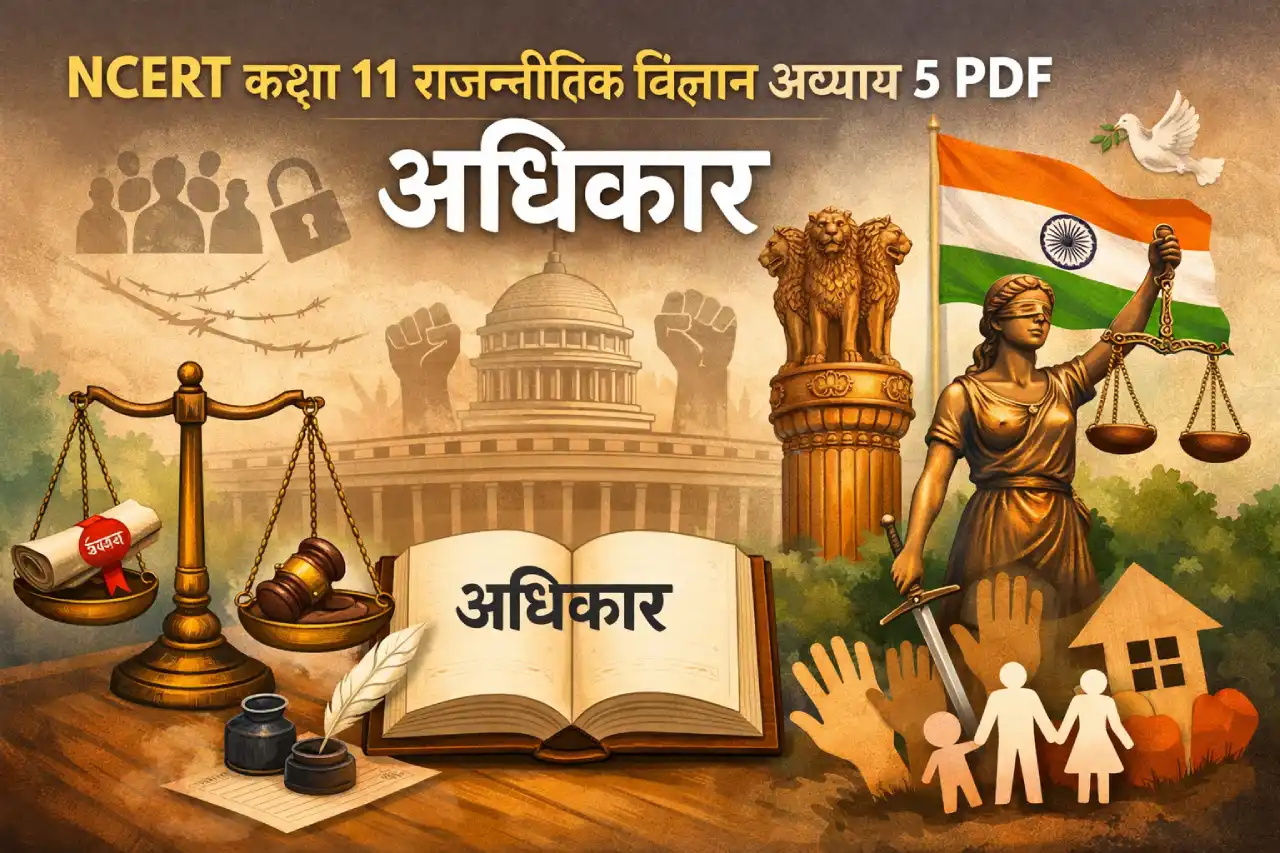
NCERT Class 11 Political Science Chapter 5 PDF (Hindi): अधिकार

NCERT Class 11 Political Science Chapter 5 PDF (Hindi): अधिकार

Chapter 5 of Class 11 Political Science Part 1 (Hindi Medium), titled अधिकार, deals with the idea of rights and why they are essential for a free and dignified life. This chapter explains what rights mean, how they differ from privileges, and why societies create laws to protect them. It also introduces students to different kinds of rights such as civil, political, and social rights, using simple explanations and everyday examples.

I am writing about this chapter because the word “rights” is often used in daily conversations, protests, debates, and even social media arguments, but many students do not clearly understand what counts as a right and what does not. Knowing this difference is important, especially in a democracy like India. This chapter helps students understand that rights are not just demands but legally and morally justified claims. It also explains why rights must be balanced with duties and responsibilities. For students preparing for board exams or competitive exams, this chapter builds a strong foundation for topics related to the Constitution, democracy, and citizenship.

What Are Rights?

Rights are justified claims that individuals can make on society and the state. They allow people to live with freedom, security, and self-respect. The chapter clearly explains that rights are not unlimited freedoms. They exist within a legal and moral framework so that one person’s freedom does not harm another.

Rights are important because they:

  • Protect individual freedom
  • Ensure equality before law
  • Prevent misuse of power
  • Help people participate in public life

Types of Rights Explained in the Chapter

The chapter talks about different categories of rights that are recognised in democratic societies.

Major Types of Rights

Type of RightWhat It Includes
Civil RightsRight to life, freedom of speech, equality before law
Political RightsRight to vote, contest elections, form political groups
Social RightsRight to education, health, and basic welfare
Economic RightsRight to work, fair wages, and livelihood

These rights together ensure that freedom is not limited to paper but works in real life.

Legal Rights and Moral Rights

The chapter makes an important distinction between legal and moral rights. Legal rights are protected by law and can be enforced in courts. Moral rights are based on ethical values and social expectations, even if they are not written in law.

For example, the right to free speech is a legal right, while treating others with dignity is a moral responsibility. Both are necessary for a healthy society.

Rights and Responsibilities Go Together

One of the strongest messages in this chapter is that rights cannot exist without responsibilities. If citizens enjoy freedom of expression, they must also avoid spreading hatred or false information. If people demand equality, they must also respect others’ rights.

This balance is what keeps a democracy stable and fair.

Why Rights Are Crucial in a Democracy

In a democracy, citizens are not subjects; they are active participants. Rights allow people to question the government, demand accountability, and express opinions without fear. The chapter explains that without rights, democracy would lose its meaning and power would remain concentrated in a few hands.

NCERT Class 11 Political Science Chapter 5 PDF Download (Hindi Medium)

Students can download the official NCERT PDF by following these steps:

  • Visit the official NCERT website
  • Click on E-Books
  • Select Class 11
  • Choose Political Science
  • Open Political Theory – Part 1 (Hindi Medium)
  • Click on Chapter 5: अधिकार
  • Download the PDF for regular study and revision

Using the official NCERT PDF ensures accuracy and alignment with the current syllabus.

Leave a Comment

End of Article

Loading more posts...