JOIN WHATSAPP
STORIES

NCERT Class 12 Geography (Practical Work in Geography) Chapter 2: Data Processing PDF Explained with Examples

NCERT Class 12 Geography (Practical Work in Geography) Chapter 2: Data Processing

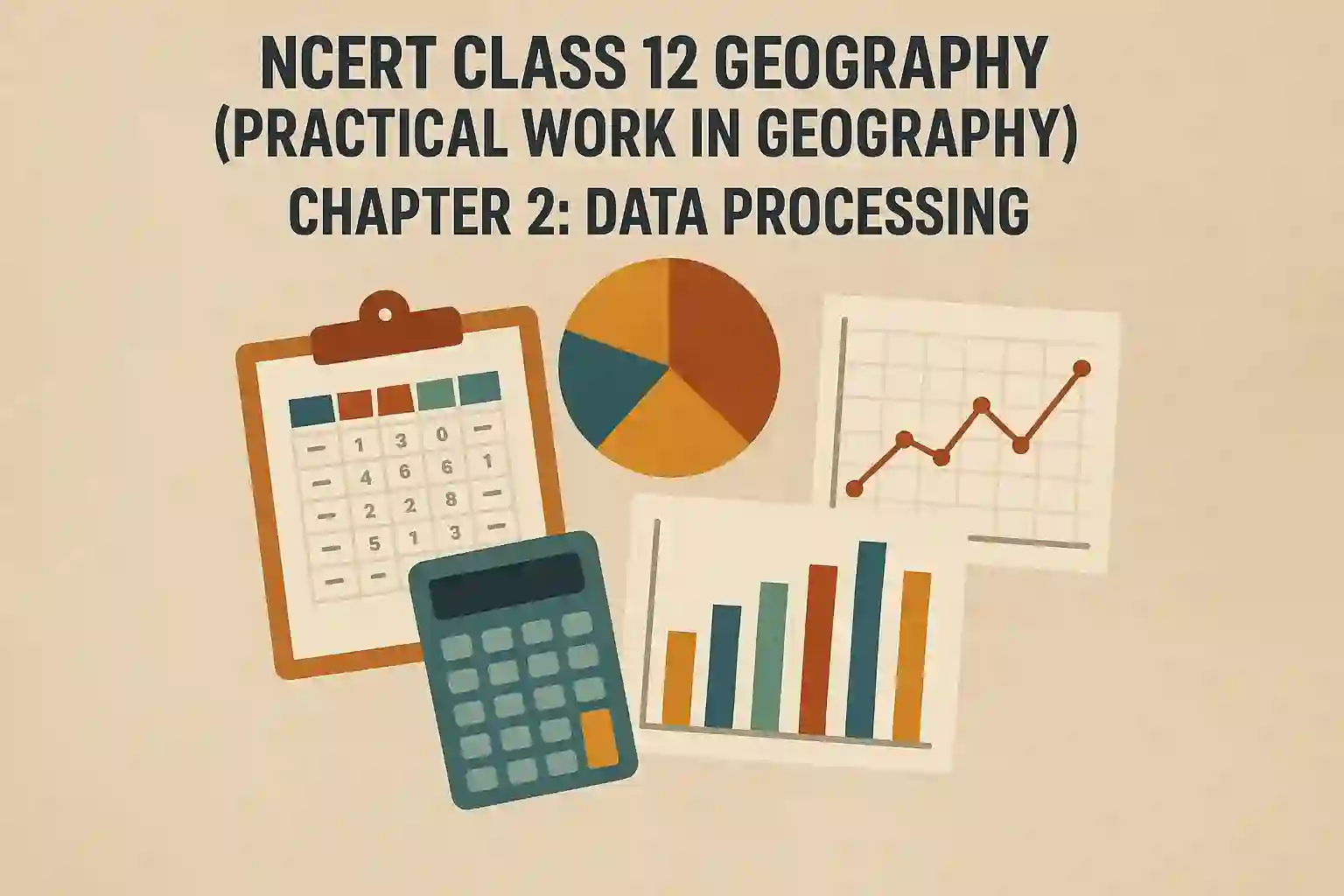
Chapter 2 of the Class 12 Practical Geography book is all about Data Processing. Once data is collected and compiled, it must be processed to make it useful. This chapter explains different methods of classifying, tabulating and presenting data so that meaningful conclusions can be drawn from it. It also talks about the importance of accuracy, consistency and systematic handling of geographical data. Whether you are preparing for a board exam or creating a project, this chapter helps you present your data in a logical and professional manner.

I chose to write about this chapter because many students find it difficult to shift from theory to actual practical work. While collecting data may look easy, processing it correctly is what makes the difference in marks and understanding. Knowing how to clean, organise, classify and present information is important not just for CBSE practical exams, but also for higher studies and fieldwork. Data processing is a skill that helps students in Geography, Economics, Sociology and many other fields. So I thought it’s important to explain this chapter in a clear and simple way and also share the direct NCERT PDF link so you can download and refer anytime.

What is Data Processing?

Data processing is the step that comes after data collection and compilation. It involves organising the data in a meaningful way so that it becomes easier to understand, compare, and analyse. This includes tasks like:

  • Classifying the data
  • Tabulating it into rows and columns
  • Calculating totals, averages, percentages etc.
  • Converting numbers into visual formats like graphs or diagrams

For example, if you’ve collected data on the population of five Indian cities, data processing would mean sorting the cities based on population size, calculating total population, and maybe drawing a bar graph to show comparisons.

Types of Classification

In Geography, data can be classified in different ways depending on the nature of the study. The main types are:

1. Qualitative Classification

This is based on attributes like gender, language, religion or type of crops. These are non-numerical values.

Example: Classifying areas based on soil type (Alluvial, Black, Red, etc.)

2. Quantitative Classification

This deals with numerical data and is divided into two categories:

  • Frequency Distribution – Shows how often a value occurs
  • Class Intervals – Groups data into intervals for better understanding

Example: Grouping temperature readings like 20–25°C, 25–30°C, etc.

Tabulation of Data

Tabulation is the process of arranging data in rows and columns. It makes the data readable and comparable. A good table must have:

  • Title
  • Headings for rows and columns
  • Units of measurement
  • Totals or summaries (if needed)

Download PDF: NCERT Class 12 Practical Geography Chapter 2

You can download the official NCERT PDF for Chapter 2 – Data Processing from here:

NCERT Class 12 Geography (Practical Work in Geography) Chapter 2: Data Processing
Leave a Comment

End of Article

Class 11 Sanskrit Shashwati Chapter 11 PDF: नवद्रव्याणि Explained

Class 11 Sanskrit Shashwati Chapter 11 PDF: नवद्रव्याणि Explained

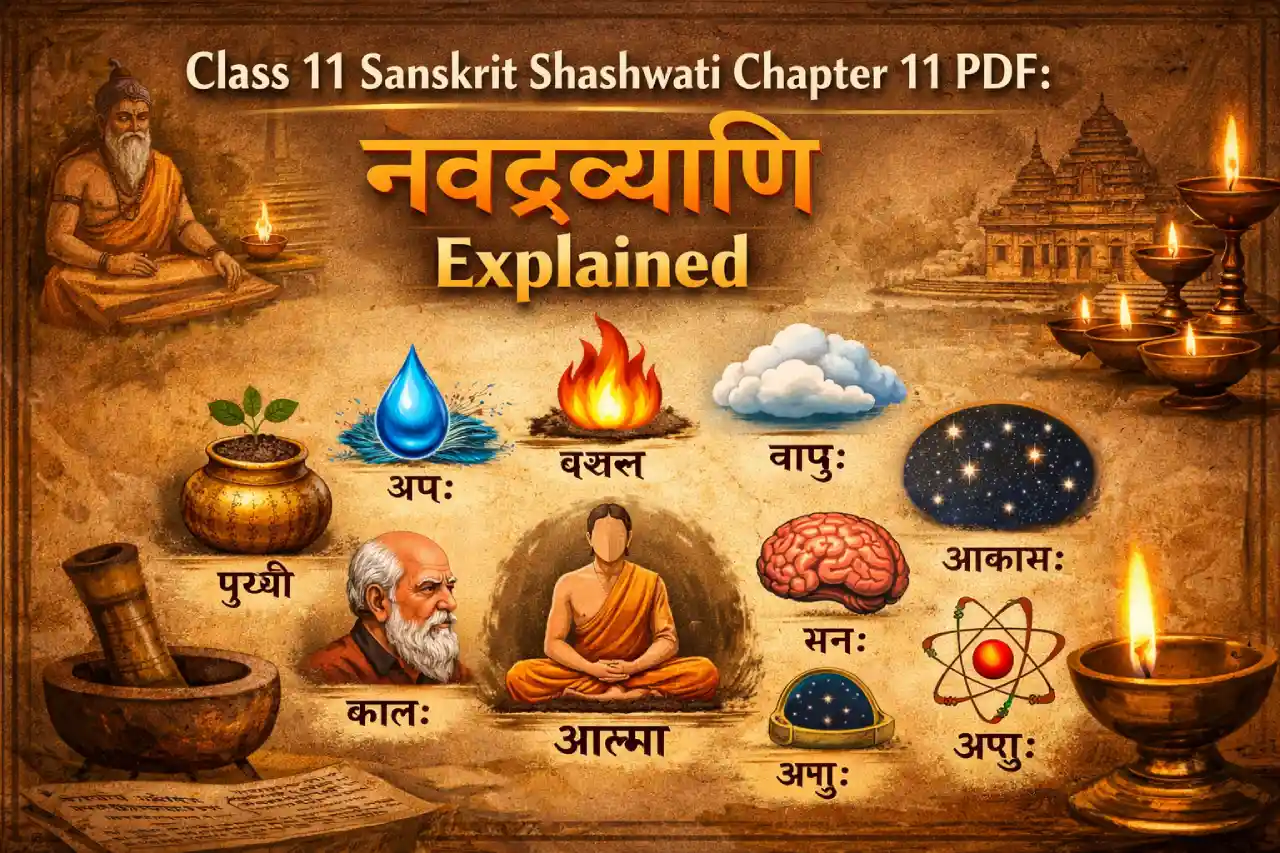
NCERT Class 11 Sanskrit Shashwati Chapter 11, titled “नवद्रव्याणि”, introduces students to an important concept from Indian philosophy—the nine fundamental substances that make up the universe. The chapter explains these elements in a simple and structured way, helping students understand how ancient thinkers tried to explain the nature of reality through observation and logic.

I am writing about this chapter because many students search for the official NCERT PDF along with a simple explanation before exams. In my experience, topics like “नवद्रव्याणि” may feel slightly abstract at first, but once you understand the list and their meanings, it becomes quite easy to remember and revise. This chapter is important not only for Sanskrit exams but also for gaining a basic idea of traditional Indian philosophy. It helps students connect language learning with deeper concepts. Studying from the official NCERT book and revising regularly can make this chapter scoring and easy to handle.

About the Chapter: नवद्रव्याणि

The term “नवद्रव्याणि” means “nine substances.” These are considered the basic elements that exist in the universe according to classical Indian thought.

The chapter explains each of these substances and their role in the functioning of the world.

The Nine Substances Explained

Here is a simple table to understand the nine dravyas:

Sanskrit TermMeaning (Simple English)
पृथ्वी (Prithvi)Earth
आपः (Apah)Water
तेजः (Tejas)Fire
वायु (Vayu)Air
आकाश (Akasha)Space
काल (Kala)Time
दिशा (Disha)Direction
आत्मा (Atma)Soul
मनः (Manas)Mind

These elements together explain the physical and non-physical aspects of existence.

Key Ideas in the Chapter

1. Understanding the Universe

The chapter explains how everything in the world is made up of basic substances.

2. Physical and Non-Physical Elements

Some substances like earth and water are physical, while others like time and soul are abstract.

3. Connection Between Mind and Body

The inclusion of “मनः” (mind) and “आत्मा” (soul) shows the importance of inner consciousness.

Why This Chapter Is Important for Students

  • Helps understand basic philosophical concepts
  • Improves Sanskrit reading and comprehension
  • Important for exam questions and explanations
  • Builds logical and conceptual thinking

Students who understand the list properly can easily score marks.

Study Tips for Chapter 11

  • Memorise the nine dravyas and their meanings
  • Understand the difference between physical and abstract elements
  • Practise writing short explanations
  • Revise regularly using a table format

This makes the chapter easier to revise before exams.

How to Download NCERT Class 11 Sanskrit Shashwati Chapter 11 PDF

Students can download the official chapter PDF from the National Council of Educational Research and Training website by following these steps:

Always use the official NCERT website to ensure you get the correct and updated version.

Leave a Comment

End of Article

Loading more posts...