JOIN WHATSAPP
STORIES

Odisha Bans Use of ‘Harijan’ in Government, Education and Official Records

Odisha Bans Use of ‘Harijan’ in Government, Education and Official Records

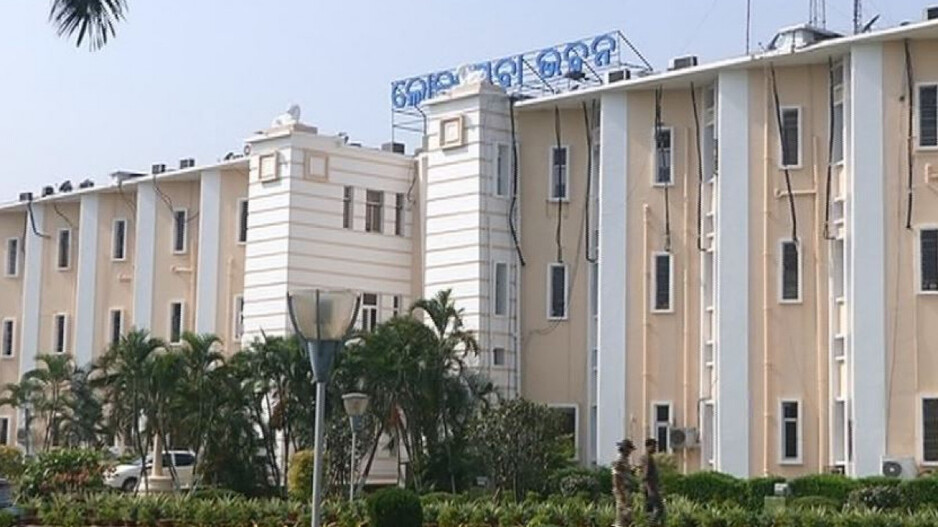
The Odisha government has officially prohibited the use of the word ‘harijan’ in all government communications, educational materials, and official records. The decision follows directions from the Ministry of Social Justice and Empowerment, which had earlier advised states to stop using the term, as it is considered outdated and derogatory by many members of the Scheduled Castes community. All departments and institutions in Odisha have been instructed to use legally recognised terms like ‘Scheduled Caste’ instead.

I am writing about this because language in official records is not just about words — it is about respect, identity, and dignity. Many people may not realise that certain terms, though once popular, can carry historical baggage that hurts the very communities they aim to describe. I believe it is important for citizens to understand why such changes are made. This is not simply a matter of replacing a term in files; it reflects a shift towards more respectful and legally correct representation of communities. It also highlights how policies at the Centre influence state-level reforms, impacting education, governance, and public awareness.

Why the Term ‘Harijan’ is Controversial

The word ‘harijan’ was popularised by Mahatma Gandhi, meaning “children of God.” However, over time, many Dalit rights activists argued that it was patronising and failed to address caste-based discrimination. The Supreme Court of India and the National Commission for Scheduled Castes have also recommended avoiding the term in official use.

Changes Ordered in Odisha

  • All state departments must replace the term with ‘Scheduled Caste’ in records
  • Educational institutions must update books, forms, and notices
  • Government communications must use constitutionally approved terminology
  • Old documents will be revised during updates to maintain consistency

Expected Impact of the Ban

By making this change, Odisha aims to:

  • Promote respectful language in official dealings
  • Set a precedent for other states to follow
  • Reduce instances of casual caste-based labelling
  • Align with national guidelines for social justice

The move by the Odisha government is more than a legal adjustment — it is a symbolic step towards equality. Words have power, and in official records, they define how communities are seen and treated. Removing outdated terms like ‘harijan’ is a necessary part of building a more inclusive and respectful society.
Leave a Comment

End of Article

The Pride of Uniform Meets the Future of Tech: Nagpur to Become NCC’s ‘Power House’ under Major General Vivek Tyagi’s New Vision

The Pride of Uniform Meets the Future of Tech: Nagpur to Become NCC’s ‘Power House’ under Major General Vivek Tyagi’s New Vision

Umesh Varma (Senior Photojournalist)
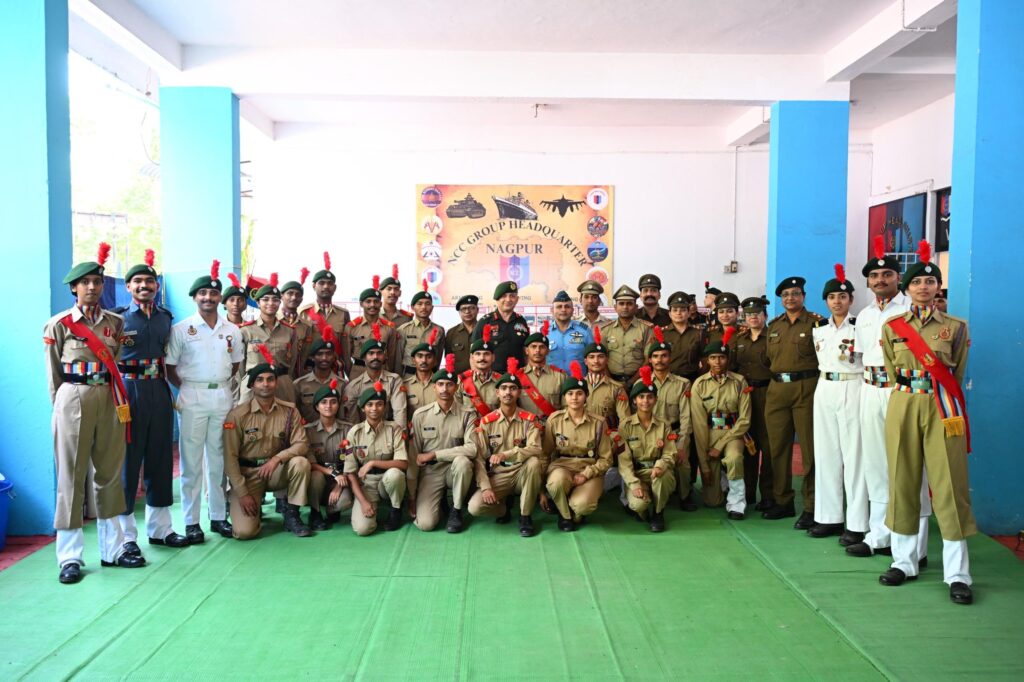
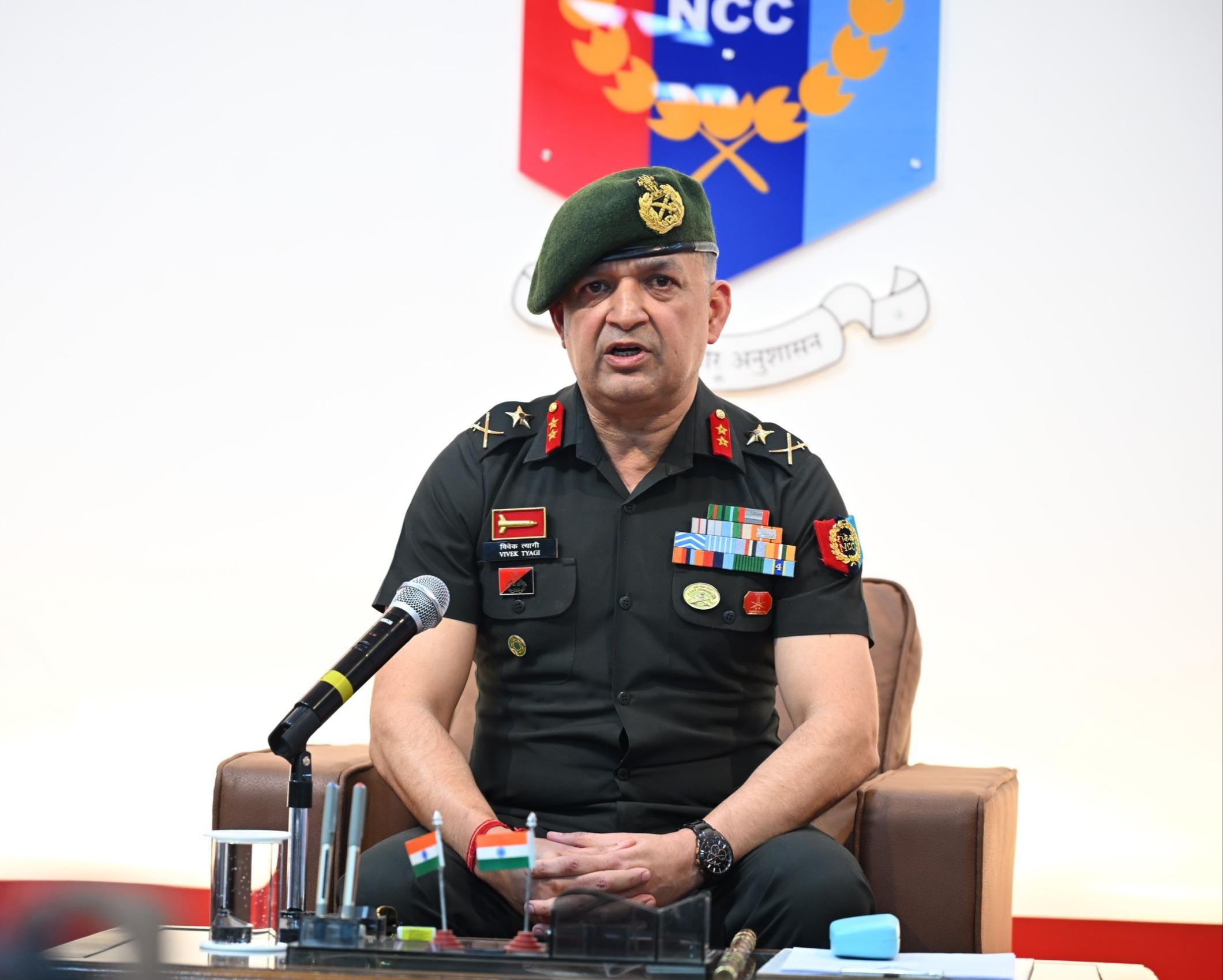
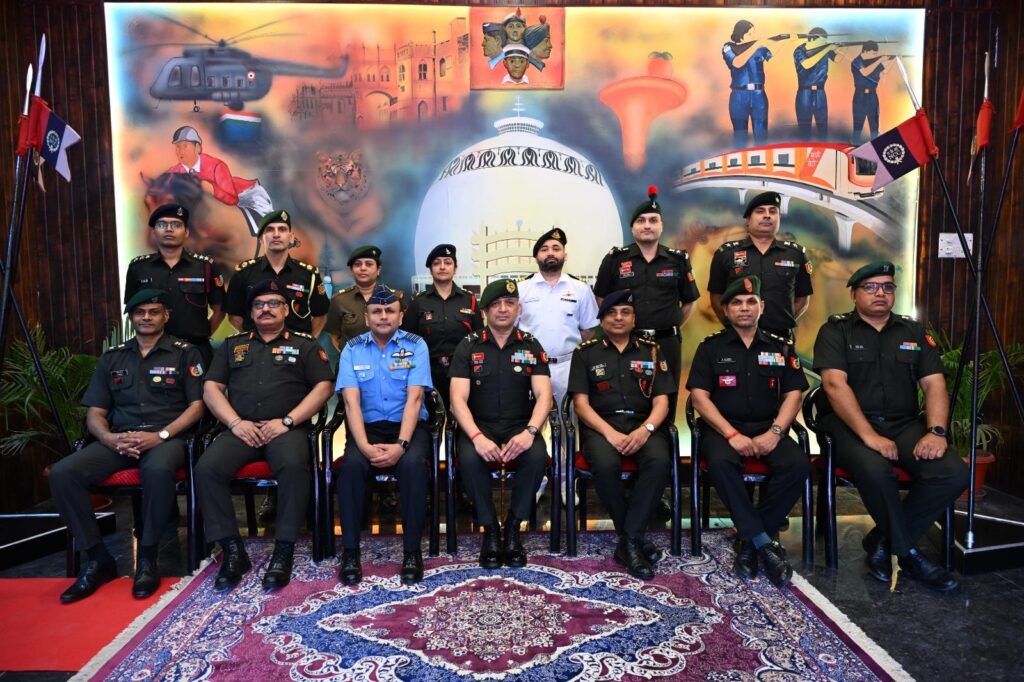
Nagpur | April 29, 2026: “Mastering Drones and Cyber Security is not just the geographical heart of India; it is now set to become the ‘Center of Excellence’ that will give wings to the dreams of NCC cadets across the nation.” These inspiring words were shared by Major General Vivek Kumar Tyagi, Additional Director General (ADG) of NCC Maharashtra, during a special press conference held today. On the first day of his three-day administrative visit, the Major General unveiled a transformative roadmap for the youth and the future of the NCC.

Mastering Drones and Cyber Security

Major General Tyagi announced that a state-of-the-art ‘Drone Training Academy’ is being established in Nagpur. This academy will be unique as it focuses on creating ‘Master Drone Trainers’—cadets and instructors who will go on to train others across various divisions in India. Recognizing the digital age’s challenges, he also highlighted a dedicated ‘Cyber Awareness’ initiative and tech-based skilling, ensuring that cadets are not just physically fit but technologically superior and ready for the future.

Nagpur: A Nursery for Future Officers and Leaders

The Pride of Uniform Meets the Future of Tech: Nagpur to Become NCC’s ‘Power House’ under Major General Vivek Tyagi’s New Vision

The Major General expressed immense pride in the dedication of Nagpur’s youth. He revealed that in just the past few months, 12 to 14 cadets from Nagpur alone have successfully cleared their boards to join the Armed Forces as officers. Whether through the Agniveer scheme, the Armed Forces, or the Maharashtra Police, NCC cadets are leading the way with the motto of ‘Nation First.’ He also noted that the training of civil staff, such as Girl Cadet Instructors (GCI) and Caretaker Officers (CTO) at the Officer Training Academy (OTA) in Kamthi, is playing a pivotal role in expanding the NCC’s reach

Meeting the Surge in Demand: 160 Institutions on Waiting List

The growing craze for the NCC among today’s youth is evident: currently, 160 schools and colleges in Nagpur are on the waiting list to start NCC units. To meet this demand, Major General Tyagi called upon the State Government for support in building a World-Class NCC Academy in Nagpur. He emphasized that the goal is not just to reach the milestone of 1.5 lakh cadets, but to reach the most remote areas of Maharashtra, transforming every student into a confident, resilient, and patriotic leader.

Empowering Daughters and Global Exposure

The Pride of Uniform Meets the Future of Tech: Nagpur to Become NCC’s ‘Power House’ under Major General Vivek Tyagi’s New Vision

A significant highlight of the briefing was the rising strength of women in the corps, with the gender ratio now approaching 60:40. Through the ‘Youth Exchange Program,’ cadets are also interacting with international students, gaining global perspectives and representing India’s diversity. Major General Tyagi concluded by stating that the NCC is more than just a career path; it is a workshop that builds character, discipline, and the best version of a human being.

Leave a Comment

End of Article

Loading more posts...