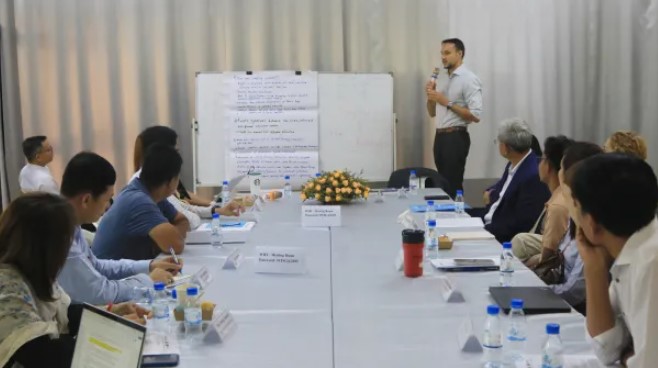
Stakeholders from the education sector have come together to review and validate the findings of a peace education assessment conducted under the PEACE Project. The validation exercise marks an important step in ensuring that the assessment reflects ground realities, classroom experiences, and policy needs. The initiative, supported by UNESCO, aims to strengthen peace education frameworks by grounding them in evidence, dialogue, and shared understanding among all those involved in education delivery.
I am writing about this development because peace education often remains a broad idea unless backed by clear assessment and stakeholder consensus. Validation of findings is not just a formal step; it decides whether recommendations will actually influence curricula, teacher training, and education policies. For educators, policymakers, and civil society groups, this process shows how collaborative review can turn research into practical action.
What the PEACE Project Is About
The PEACE Project focuses on assessing how peace education is being integrated into education systems and how effective current approaches are. It looks at teaching practices, learning materials, institutional capacity, and student outcomes related to peace, inclusion, and social cohesion.
The assessment under the project was designed to gather data from multiple sources, including schools, teachers, students, and education administrators, to ensure a balanced and realistic picture.
Purpose of the Assessment Findings
The assessment findings aim to identify what is working well and where gaps still exist in peace education implementation. Rather than treating peace education as a standalone subject, the study examines how its values are embedded across subjects, teaching methods, and school culture.
From my perspective, this kind of assessment is crucial because peace education cannot succeed through policy statements alone. It needs to be visible in everyday learning environments.
Stakeholder Validation Process Explained
The validation process involved consultations with key stakeholders such as education officials, teachers, curriculum experts, researchers, and representatives from civil society. Participants reviewed the findings, shared feedback, and discussed whether the conclusions accurately reflected their experiences.
This collective review helped refine the findings, correct gaps, and ensure that recommendations are practical and context-specific rather than purely theoretical.
Key Observations from the Validation Exercise
During the validation discussions, stakeholders broadly agreed on several points:
- Peace education is present in policy but uneven in classroom practice
- Teachers need stronger training and support to deliver peace-focused content
- Learning materials require better alignment with peace education objectives
- Assessment methods for peace-related learning outcomes remain limited
These observations reinforced the need for systemic changes rather than isolated interventions.
Why Stakeholder Validation Matters
Validation gives credibility to the assessment and builds ownership among those responsible for implementation. When stakeholders agree with the findings, they are more likely to support follow-up actions and policy reforms.
I believe this step is especially important in peace education, where trust, dialogue, and shared responsibility are central to the subject itself.
Implications for Education Policy and Practice
The validated findings are expected to inform future curriculum development, teacher training programmes, and education policies linked to peace, citizenship, and social inclusion. They also provide a roadmap for aligning national education goals with global peace education standards.
By grounding decisions in validated evidence, education systems can move from intent to impact more effectively.
Next Steps under the PEACE Project
Following the validation exercise, the focus will shift to translating findings into action. This includes refining policy recommendations, supporting pilot initiatives, and strengthening partnerships among governments, educators, and international organisations.
Continued dialogue and monitoring will be essential to ensure that peace education evolves in response to changing social realities.