JOIN WHATSAPP
STORIES

RRB NTPC UG Exam City Slip 2025 Out: Check Your Allotted City for December 20 Exam

RRB NTPC UG Exam City Slip 2025 Out: Check Your Allotted City for December 20 Exam

The Railway Recruitment Boards (RRBs) have released the NTPC Undergraduate (UG) City Intimation Slip 2025 for candidates appearing in the upcoming written examination. This slip helps candidates check their allotted exam city ahead of the release of the admit card. The NTPC UG written exam for various Non-Technical Popular Categories posts is scheduled to be held on December 20, 2025, across multiple exam centres in India.

I am sharing this update because the RRB NTPC UG exam is one of the most awaited recruitment tests for Class 12-pass candidates aspiring for a stable government job. Many students often feel confused about the difference between the city slip and the admit card, and they end up missing important travel or preparation decisions. The city slip gives candidates enough time to plan their journey, arrange accommodation if needed, and prepare themselves without last-minute stress. With the exam date approaching, this information becomes even more crucial for thousands of applicants across the country.

What is the RRB NTPC UG City Intimation Slip?

The city intimation slip is an advance notice that informs candidates about the exam city where their Computer-Based Test (CBT) will be conducted.
It includes:

  • Name of the exam city
  • Exam date and session details
  • Travel advisory and basic instructions

Note that this is not the admit card. The admit card, containing the exact exam centre and reporting time, will be issued separately.

RRB NTPC UG Exam Date 2025

The written examination for NTPC Undergraduate posts will be held as follows:

  • Exam Date: December 20, 2025
  • Mode: Computer-Based Test (CBT)
  • Posts: Various Non-Technical Popular Categories (Undergraduate)

Candidates should reach the allotted city at least a day in advance to avoid any travel-related delay.

Key Details Mentioned on the NTPC UG City Slip

Once downloaded, candidates will see the following information:

  • Candidate’s name and registration number
  • Allotted exam city
  • Date of the examination
  • Intimation regarding travel arrangements (if applicable)
  • Important exam-related instructions

Carefully read each detail before planning your travel.

Steps to Download RRB NTPC UG City Intimation Slip 2025

  • Visit the official RRB regional website you applied through
  • Open the link for the NTPC UG City Intimation Slip 2025
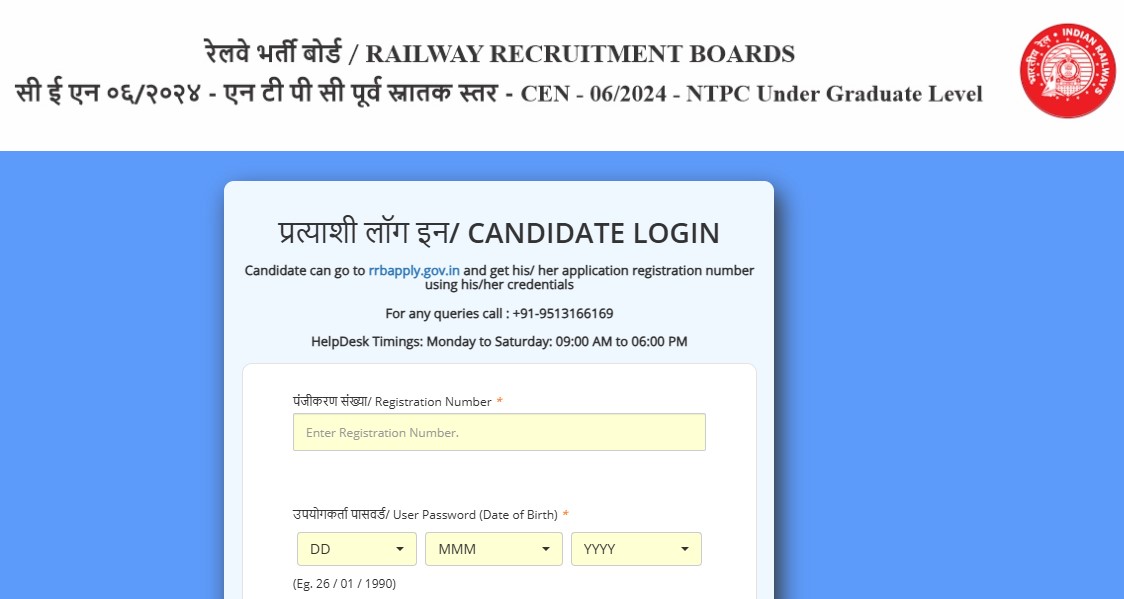
  • Enter your registration number and date of birth
  • Submit the details to view the slip
  • Download the PDF and keep a copy for travel planning

Download RRB NTPC UG City Intimation Slip 2025: Click Here

Downloading the slip early ensures you have enough time to make arrangements.
Leave a Comment

End of Article

NCERT to Introduce AI Education in Senior Classes with New Textbooks

NCERT to Introduce AI Education in Senior Classes with New Textbooks

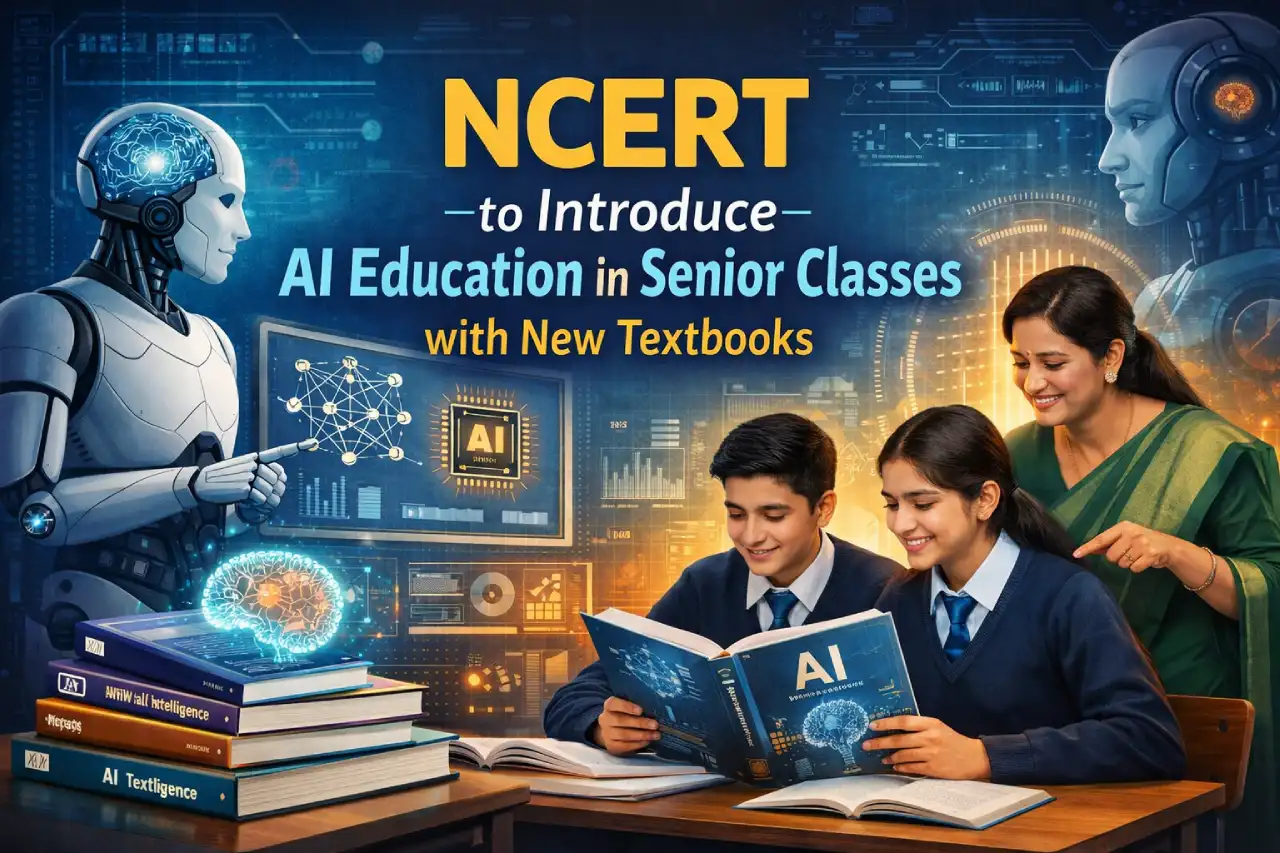
The National Council of Educational Research and Training has taken a major step towards modernising school education by constituting a dedicated team to develop Artificial Intelligence textbooks for Classes 11 and 12. The move is aimed at introducing students to AI concepts in a structured and age-appropriate manner. According to officials, the textbooks will focus on building foundational understanding, practical awareness, and ethical use of AI, keeping in line with India’s evolving education and technology goals.

I am writing about this development because Artificial Intelligence is no longer a niche subject limited to higher education or specialised careers. It is already shaping daily life, careers, and future job markets. Introducing AI at the senior secondary level ensures that students are not just passive users of technology but informed learners who understand how it works. This step also signals a shift in school education from rote learning towards skills that matter in the real world.

Why NCERT Is Introducing AI Textbooks

NCERT’s decision comes at a time when AI is influencing almost every sector, from healthcare and finance to education and governance. The idea is to familiarise students early with emerging technologies so they are better prepared for higher studies and future careers.

By developing dedicated textbooks, NCERT aims to move beyond short modules and offer a clear, well-designed curriculum.

What the AI Textbooks Are Expected to Cover

The upcoming textbooks for Classes 11 and 12 are expected to include:

  • Basic concepts of Artificial Intelligence
  • Real-life applications of AI
  • Introduction to data, algorithms, and automation
  • Ethical issues, bias, and responsible use of AI
  • Simple project-based learning and case studies

The focus will be on understanding concepts rather than heavy technical coding.

Who Is Part of the Textbook Development Team

NCERT has brought together subject experts, academicians, and technology professionals to work on the AI textbooks. This multidisciplinary approach is meant to ensure that the content is accurate, student-friendly, and aligned with global standards.

Experts will also ensure that the language and examples remain accessible to students from different backgrounds.

How This Fits into the National Education Vision

The move aligns with the broader goals of the National Education Policy, which emphasises skill-based learning, critical thinking, and exposure to emerging technologies. AI education at the school level supports the vision of creating future-ready learners.

It also encourages curiosity and problem-solving rather than memorisation.

What This Means for Students and Teachers

For students, AI textbooks open up early exposure to a high-demand field and help them make informed career choices. Teachers will receive structured material and training support, making it easier to teach a subject that is often seen as complex.

Schools may also gradually introduce practical activities linked to AI learning.

Challenges and Expectations

While the move has been widely welcomed, successful implementation will depend on teacher training, availability of resources, and clear assessment methods. NCERT will need to ensure that schools across regions can adopt the curriculum smoothly.

Balanced rollout will be key to avoiding a digital divide.

Leave a Comment

End of Article

Loading more posts...