JOIN WHATSAPP
STORIES

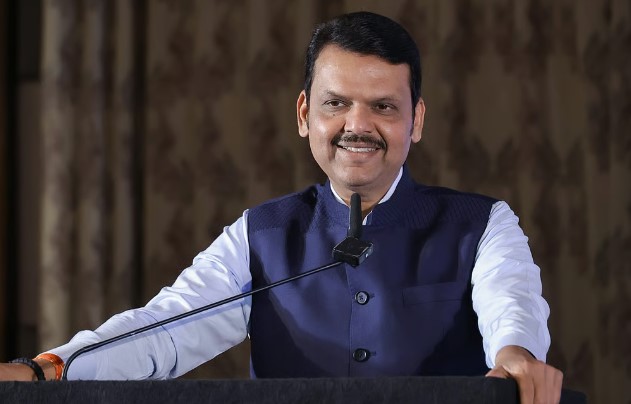
Sant Jagnade Maharaj Preserved Sant Tukaram’s Teachings for the World – CM Devendra Fadnavis

Sant Jagnade Maharaj Preserved Sant Tukaram’s Teachings for the World – CM Devendra Fadnavis

Government ITI Named After Sant Jagnade Maharaj

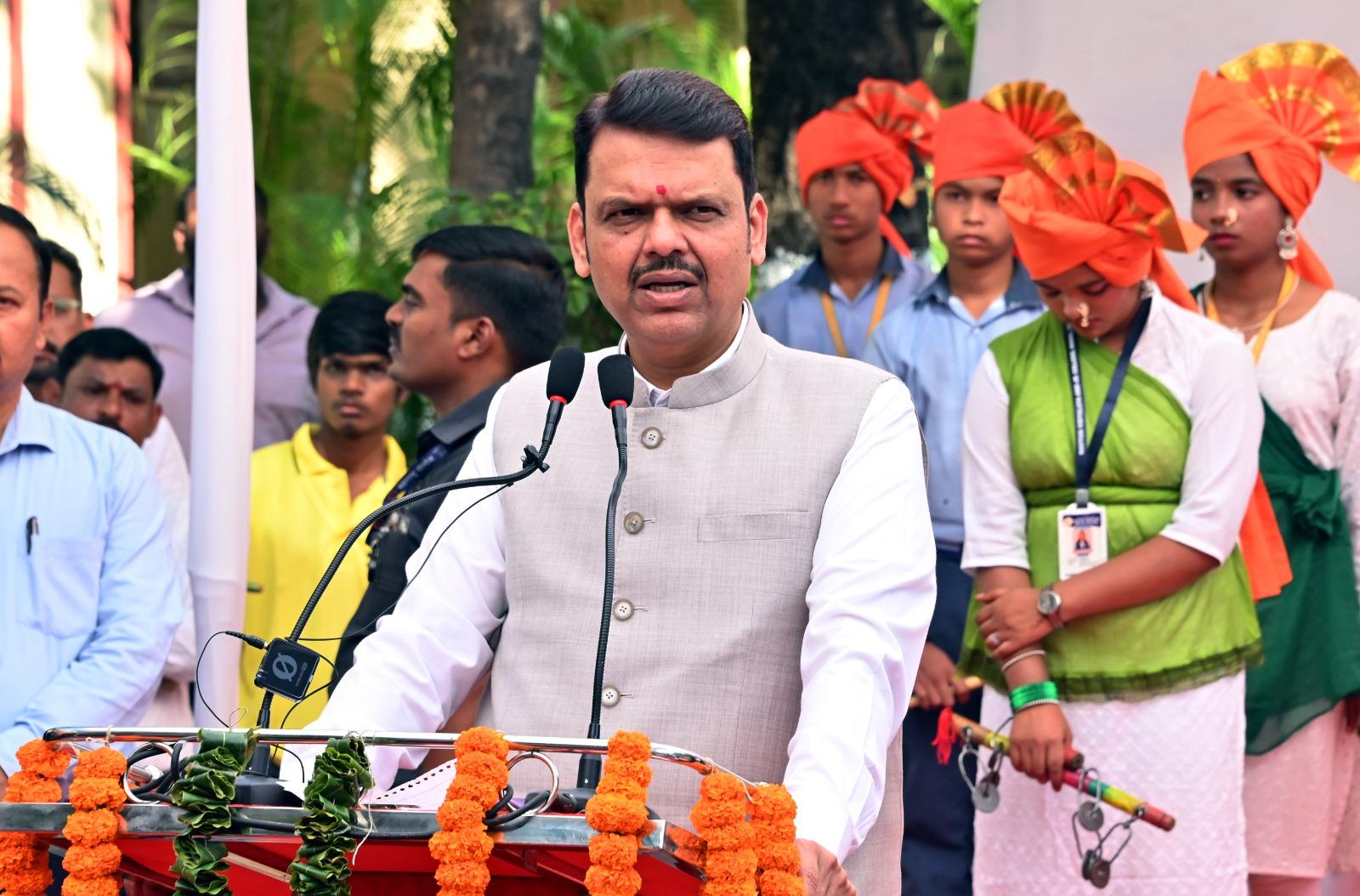
Chief Minister Devendra Fadnavis delivered a strong and inspiring message while highlighting the spiritual legacy of Maharashtra. He stated that although some orthodox forces once tried to suppress the sacred ‘Gatha’ of Sant Tukaram Maharaj, it was Sant Jagnade Maharaj who protected them and ensured that Tukaram’s philosophy reached every corner of society. His contribution, the Chief Minister said, stands as a powerful example of courage and devotion.
Sant Jagnade Maharaj Preserved Sant Tukaram’s Teachings for the World – CM Devendra Fadnavis

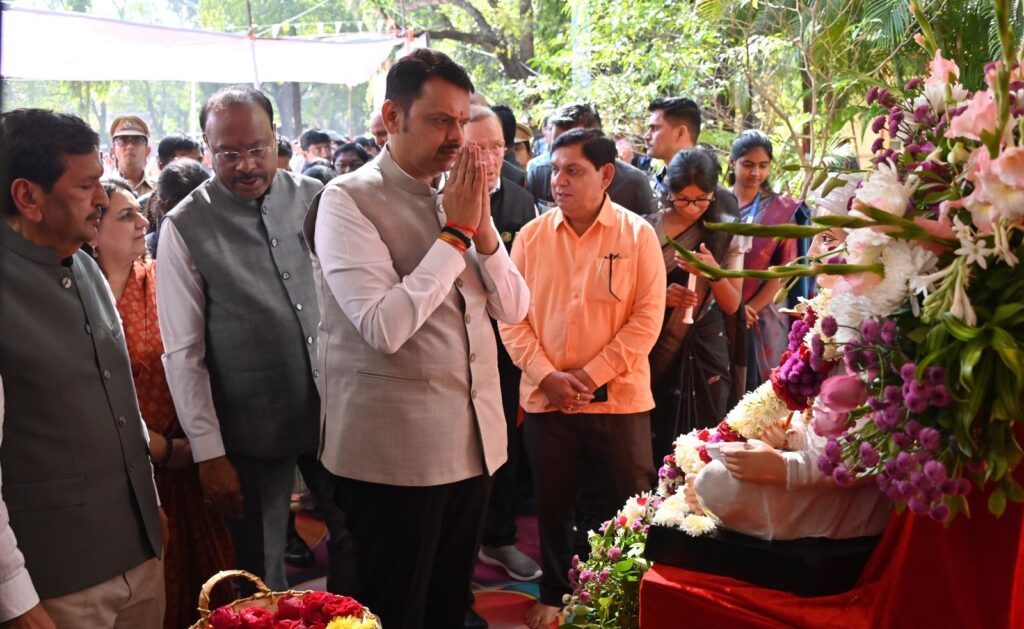
The occasion was the grand ceremony of renaming the Government Industrial Training Institute (ITI), Ramdaspeth, in honor of Sant Jagnade Maharaj, under the Department of Skill Development and Entrepreneurship. Skill Development Minister Mangal Prabhat Lodha chaired the event, while Guardian Minister Chandrashekhar Bawankule, MLA Krishna Khopde and former MP Ramdas Tadas were present as distinguished guests.
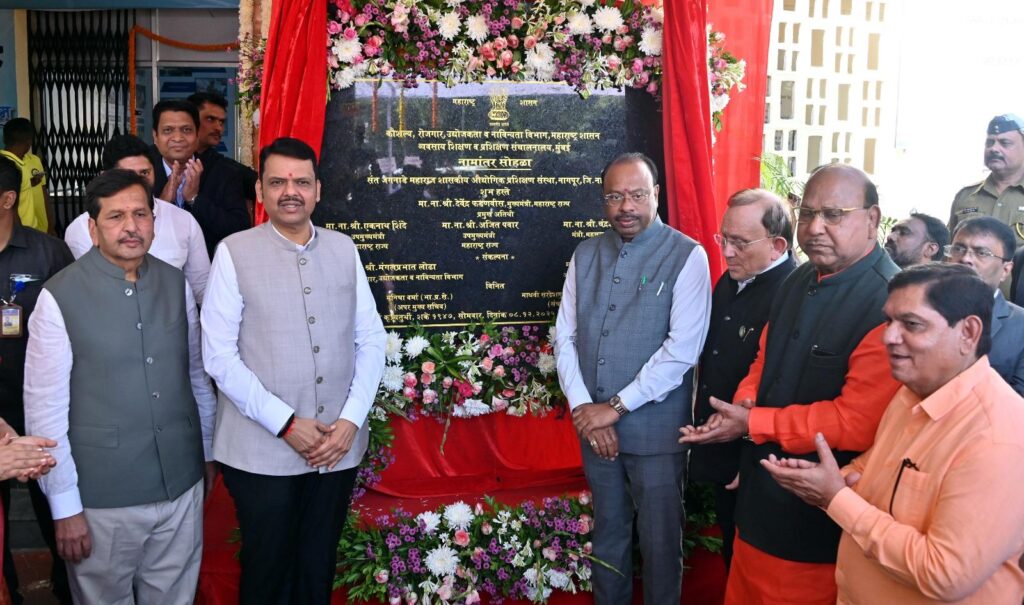
Sant Jagnade Maharaj Preserved Sant Tukaram’s Teachings for the World – CM Devendra Fadnavis

Speaking with deep admiration, CM Fadnavis said,

“The Bhakti movement and Warkari tradition are Maharashtra’s identity — a force that united society beyond caste and class. Sant Jagnade Maharaj awakened humanity and equality within people.”

He proudly appreciated the state government’s initiative to name ITIs after great visionaries and social reformers, ensuring the youth draw inspiration from their work.
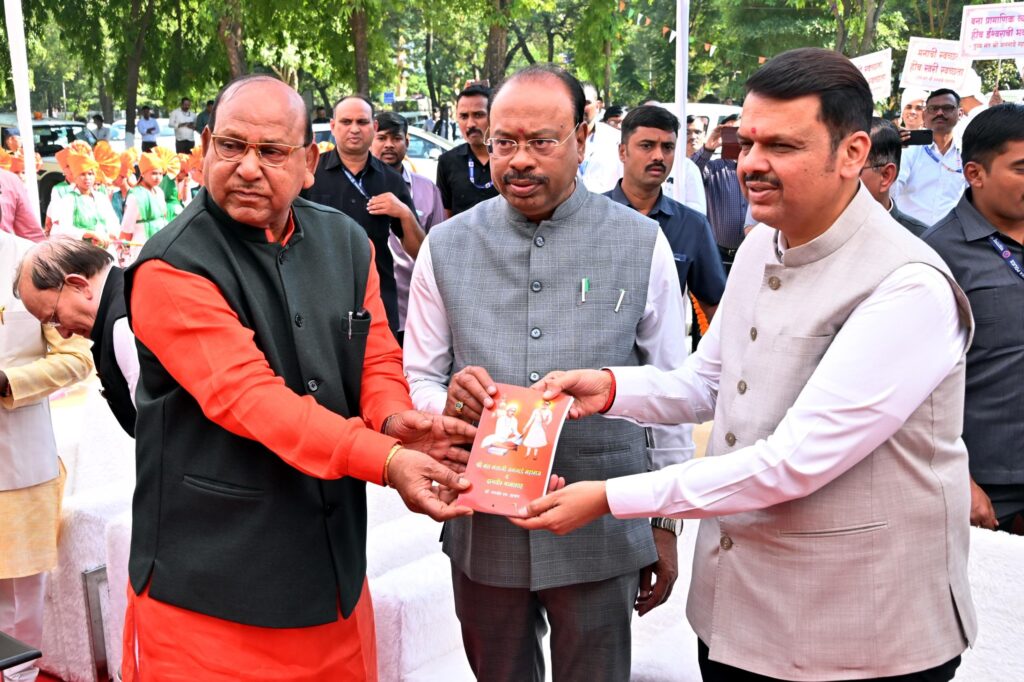
Sant Jagnade Maharaj Preserved Sant Tukaram’s Teachings for the World – CM Devendra Fadnavis

As soon as the Chief Minister arrived at the venue, he was welcomed with traditional rituals. Students performed an energetic Lezim dance, and youth dressed as Sant Jagnade Maharaj brilliantly captured the attention of everyone present – symbolizing devotion, culture, and pride.

This step is more than a name change — it’s a message to the youth:
“Skill with Values. Progress with Humanity. Inspiration from Saints.”

The legacy of Sant Jagnade Maharaj will now guide thousands of young talents to rise with purpose, equality, and a spirit that builds a better Maharashtra.

Leave a Comment

End of Article

Maharashtra College Teachers Seek Higher Retirement Age, Urge UGC to Act

Maharashtra College Teachers Seek Higher Retirement Age, Urge UGC to Act

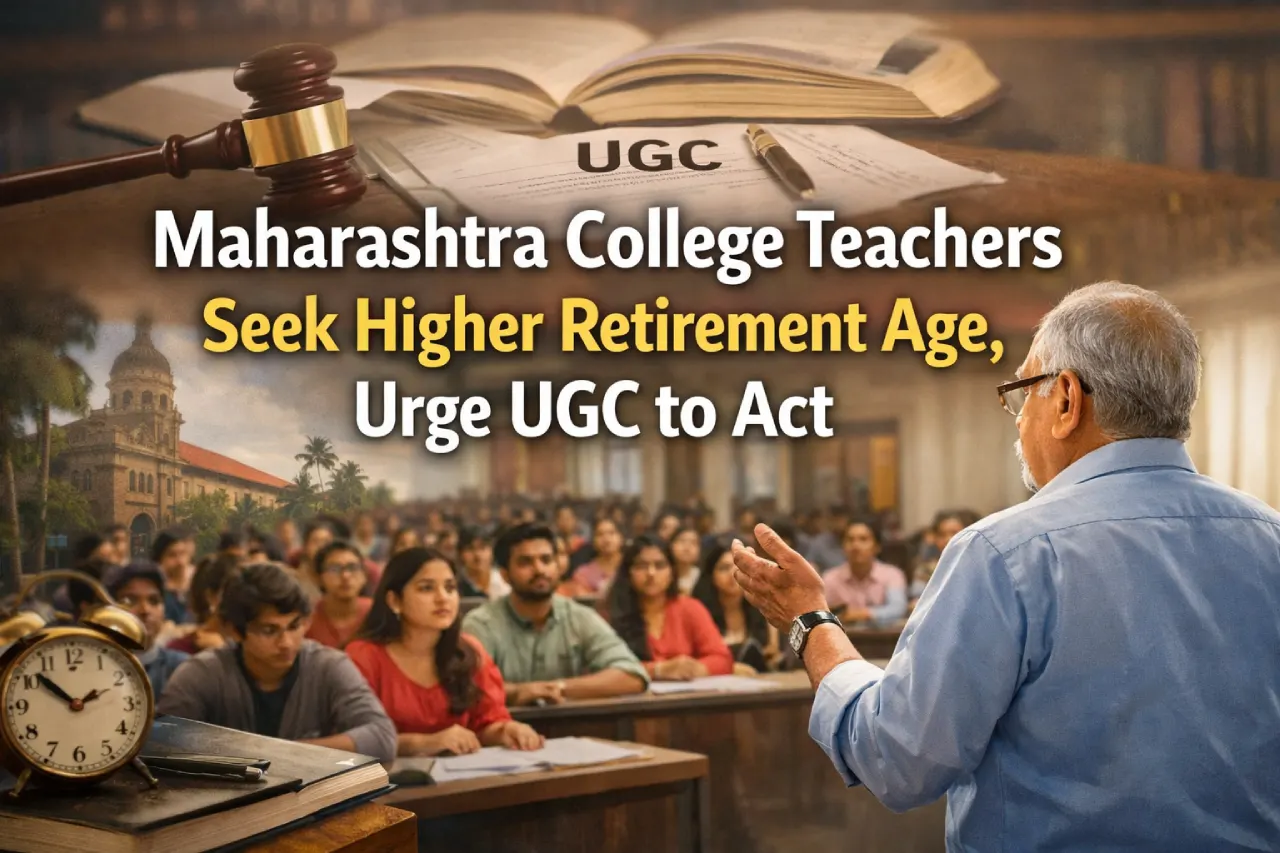
Teachers from colleges across Maharashtra have urged the University Grants Commission to raise the retirement age for teaching faculty from the current 60 years to 65 years. The demand has been made by teachers’ associations who argue that experienced educators are being forced to retire too early, even as colleges continue to face staff shortages. They believe extending the retirement age will help retain academic expertise and improve teaching quality in higher education institutions.

I am writing about this issue because it affects not just teachers, but also students and the overall higher education system. At a time when universities are struggling with vacant posts and delayed recruitments, losing senior faculty creates gaps in teaching, research, and mentorship. The demand also raises a larger question about how India values experience in academia and whether policy needs to evolve with changing life expectancy and professional capability.

What Maharashtra Teachers Are Demanding

Teachers’ bodies have formally requested UGC to revise the retirement age for college and university teachers to 65 years, bringing it in line with several central institutions. They argue that many educators remain academically active and physically fit well beyond 60.

According to them, forcing retirement at 60 leads to a loss of institutional memory and teaching continuity.

Why Teachers Want the Age Limit Raised

Teachers say the demand is based on practical realities. Many colleges face:

  • Acute shortage of qualified faculty
  • Delays in permanent recruitment
  • Heavy teaching loads on existing staff

Extending the retirement age would offer immediate relief without additional recruitment costs.

Comparison with Central Institutions

In several central universities and institutions, teachers are allowed to work up to 65 years, and in some cases even longer through re-employment. Maharashtra teachers feel this creates inequality between state and central institutions.

They believe a uniform retirement policy across the country would be fairer and more effective.

Impact on Students and Academic Quality

Senior teachers often play a key role in mentoring young faculty, guiding research scholars, and maintaining academic standards. Their early retirement disrupts this balance and places extra pressure on junior staff.

Students, especially at postgraduate and research levels, are among the biggest losers.

Concerns About Youth Employment

Some critics argue that extending retirement age could limit opportunities for younger aspirants. Teachers’ associations counter this by saying vacant posts already exist and recruitment processes are slow, so extending service will not block new jobs.

They stress that experience and new talent should coexist.

What UGC’s Role Will Be

UGC has the authority to frame regulations related to service conditions in higher education. Any change in retirement age would require policy review and coordination with state governments.

Teachers are hopeful that the commission will consider the request seriously.

Leave a Comment

End of Article

Loading more posts...