JOIN WHATSAPP
STORIES

School Assembly Headlines for January 14, 2026: Today’s Key National, Global, Business and Sports News

School Assembly Headlines for January 14, 2026: Today’s Key National, Global, Business and Sports News

School assembly news headlines for January 14, 2026, bring together the most important developments from India and around the world in a simple and student-friendly format. These updates are useful for morning assemblies, current affairs discussions, debates, and quiz preparation. From national policy moves and global events to business trends and sports highlights, today’s headlines help students stay informed and confident while speaking in front of their classmates.

I am writing this article because students and teachers often look for clear, well-organised headlines that are easy to read and present during assembly time. Going through multiple news platforms early in the morning can be confusing and time-consuming. A single, well-structured news roundup helps students build awareness, improve communication skills, and develop a daily habit of following current affairs.

National News Headlines

Here are the top national updates students should know today:

  • Government reviews progress of key infrastructure and development projects across states
  • Education and youth-focused initiatives remain in focus as National Youth Day events continue
  • Weather agencies issue advisories for winter conditions in parts of north and central India
  • Discussions continue on public welfare schemes and administrative reforms

These headlines reflect governance, public policy, and issues that directly affect citizens.

International News Headlines

Important global updates for today include:

  • World leaders hold talks on economic cooperation and regional stability
  • Countries discuss climate action and sustainable development goals
  • Diplomatic efforts continue in regions facing political or humanitarian challenges
  • International education and research collaborations gain momentum

World news helps students understand how global events shape international relations and impact India.

Business and Economy News

Key business and economic headlines making news today:

  • Stock markets show mixed trends amid global cues
  • Government and industry leaders discuss growth, investment, and employment
  • Developments in the start-up and technology sectors attract attention
  • Inflation, fuel prices, and consumer demand remain under observation

These updates help students understand how economic decisions influence daily life.

Sports News Headlines

Sports highlights that can be shared in the school assembly:

  • Indian athletes prepare for upcoming international tournaments and championships
  • Cricket, football, and other major sports see strong performances and key fixtures
  • Young sportspersons make headlines with impressive achievements
  • Sports authorities focus on fitness, training, and grassroots development

Sports news promotes teamwork, discipline, and a positive competitive spirit among students.

Why Following Assembly News Matters

Regular exposure to daily news helps students build general knowledge and confidence. From my experience, students who follow current affairs regularly are more comfortable expressing opinions and participating in class discussions. It also supports exam preparation, where awareness of current events plays an important role.

Tips for Presenting News in School Assembly

Students can make their presentation better by:

  • Reading headlines clearly and at a steady pace
  • Keeping the news brief and factual
  • Avoiding long explanations or complex words
  • Practising once before presenting
Leave a Comment

End of Article

India–Germany Education Partnership Explained: New Roadmap, Campus Plans and Student Benefits

India–Germany Education Partnership Explained: New Roadmap, Campus Plans and Student Benefits

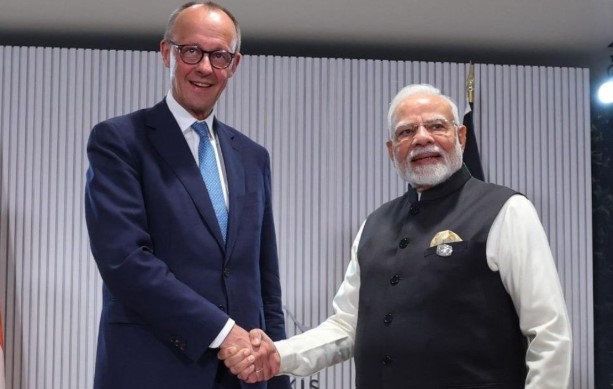
India and Germany have taken a significant step towards strengthening their education partnership by adopting a new higher education roadmap that places universities, research, and student mobility at the centre of bilateral cooperation. The announcement was made during the official visit of German Chancellor Friedrich Merz to Gandhinagar, where discussions focused on deepening academic ties and expanding opportunities for students in both countries. A key highlight was the push for greater collaboration between Indian and German universities.

I am writing about this development because it directly impacts students who are looking for global exposure, quality education, and international career opportunities without necessarily leaving India. With foreign universities being encouraged to expand their presence here, students may soon have access to world-class education closer to home. This roadmap signals a shift in how international education partnerships are being designed, with students at the heart of policy decisions.

What the India–Germany Higher Education Roadmap Is About

The newly adopted roadmap aims to deepen cooperation in higher education, research, and innovation between the two countries. Instead of limited exchange programmes, the focus is now on long-term institutional partnerships, joint research, and smoother student mobility.

During the meeting, Narendra Modi invited German institutions to establish campuses in India, aligning with the country’s broader goal of internationalising its higher education ecosystem.

Why Germany Is an Important Education Partner

Germany is globally known for its strong technical universities, research-driven education system, and industry-linked courses. Indian students already form a large part of the international student population in Germany, especially in engineering, science, and applied research fields.

This roadmap builds on that existing trust and aims to make collaboration more structured, accessible, and beneficial for a wider group of students.

Campus Expansion: What It Means for Indian Students

One of the most important aspects of this roadmap is the encouragement for German universities to set up campuses or joint centres in India. If implemented effectively, this could mean:

  • Access to German-quality education within India
  • Joint degrees recognised in both countries
  • Lower overall cost compared to studying abroad
  • Stronger industry and research exposure

For many students, this could remove financial and visa-related barriers to international education.

Boost to Student Mobility and Exchanges

Student mobility remains a key pillar of the roadmap. The idea is not just to send more Indian students to Germany, but also to attract German students and researchers to India. This two-way movement helps create diverse classrooms and shared academic experiences.

The roadmap also aims to simplify processes related to credit transfer, joint supervision of research, and short-term exchange programmes.

Focus on Research, Innovation, and Skills

Beyond degrees, the partnership places strong emphasis on collaborative research and skill development. Areas such as climate change, sustainable development, artificial intelligence, and advanced manufacturing are expected to see increased joint projects.

From my point of view, this is crucial because future careers will depend heavily on research exposure and problem-solving skills, not just classroom learning.

How This Aligns With India’s Education Goals

India’s push to invite foreign universities fits well with its broader education reforms aimed at making the country a global education hub. International campuses can raise academic standards, encourage competition, and give students more choices.

At the same time, partnerships like this allow Indian institutions to learn from global best practices without losing their local relevance.

What Students Should Watch Out For

While the roadmap is promising, students should keep an eye on official announcements regarding:

  • Which German universities plan to open campuses in India
  • Details of joint degree or exchange programmes
  • Admission criteria and fee structures
  • Recognition and accreditation of new courses

Clear guidelines will determine how soon students can benefit from these plans.

Leave a Comment

End of Article

Loading more posts...