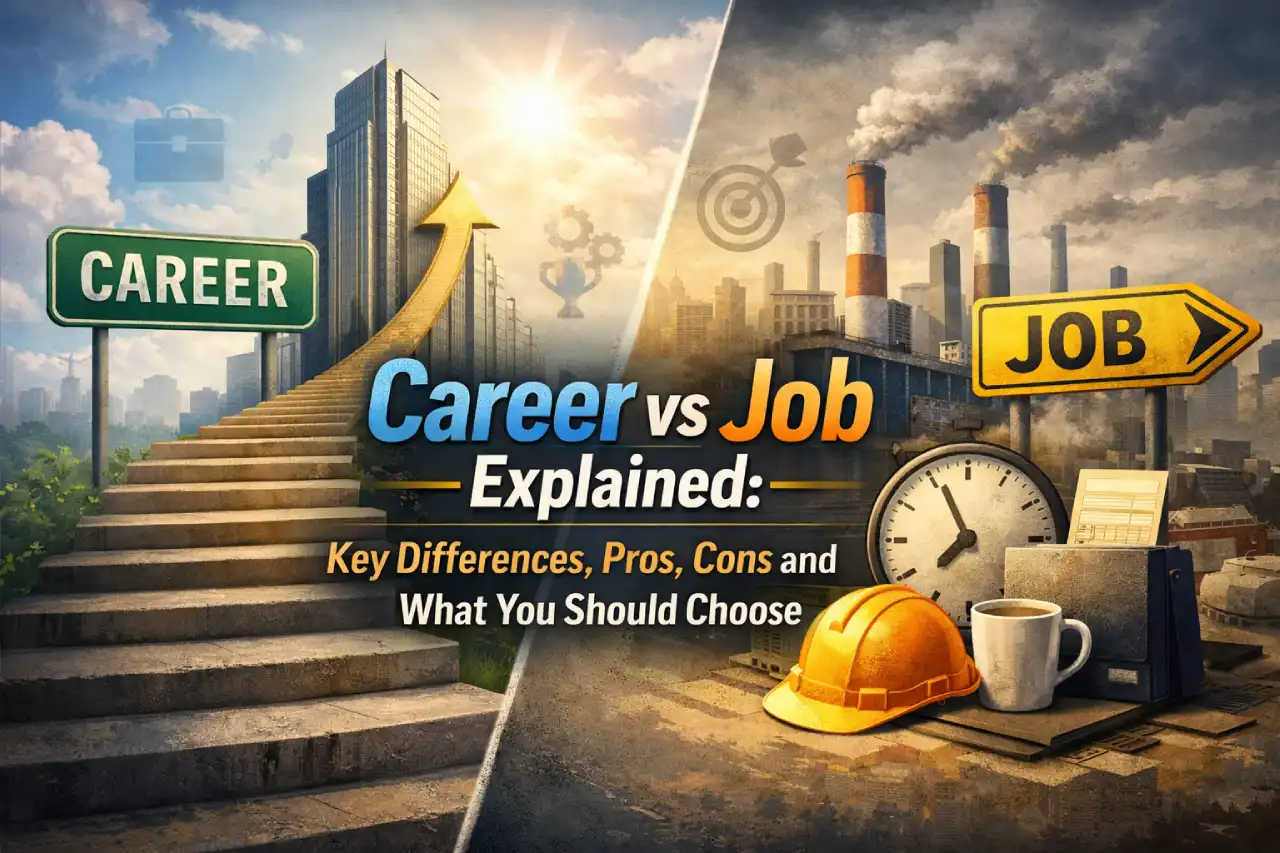
When it comes to career choices, most young professionals and students face one of the oldest dilemmas in the book—should you choose a stable career or chase a high-paying job? Both options have their own advantages and trade-offs, and the answer depends on what you value more—security or growth, comfort or challenge. In today’s fast-changing work environment, this question has become more relevant than ever, especially with new industries, startups, and freelancing opportunities changing how we define success.
I’m writing about this because career decisions today aren’t as straightforward as they used to be. Our parents’ generation often prioritised job stability—staying in one company for years meant reliability and respect. But the modern workforce is driven by ambition, higher income goals, and flexibility. Understanding the real difference between a stable career and a high-paying job can help students and professionals make informed decisions that align with their goals and personality. Let’s break down both paths and see which one might suit you better.
What Is a Stable Career?
A stable career is one that offers long-term job security, consistent income, and predictable growth. It may not promise huge paychecks right away, but it provides peace of mind, steady progression, and financial reliability.
Common examples include careers in:
- Government services
- Teaching and academia
- Banking and insurance
- Civil services and defence
- Public sector companies (PSUs)
- Healthcare and administration
Advantages of a Stable Career:
- Long-term job security
- Predictable promotions and salary hikes
- Benefits such as pensions, insurance, and paid leaves
- Less stress and uncertainty about employment
- Better work-life balance
However, stability often comes with its limitations. Growth may be slow, innovation can be limited, and opportunities for fast financial advancement might be fewer compared to high-paying corporate or entrepreneurial roles.
What Is a High-Paying Job?
A high-paying job is usually found in fast-growing industries that offer attractive salaries and performance-based incentives. These jobs demand high skill levels, adaptability, and the willingness to take risks. They often reward talent and ambition more than seniority or tenure.
Popular high-paying sectors include:
- Information technology and data science
- Finance, investment banking, and stock markets
- Artificial intelligence and cybersecurity
- Marketing, media, and entertainment
- Consulting and corporate management
- Entrepreneurship and startups
Advantages of a High-Paying Job:
- Higher income potential, often from an early stage
- Opportunities for faster growth and recognition
- Exposure to global trends and cutting-edge technologies
- Potential to switch industries or start your own venture
But such jobs come with challenges too. The pressure to perform, long working hours, and risk of job loss during market downturns can create instability. Employees in these sectors must constantly upgrade their skills to stay relevant.
Key Differences Between a Stable Career and a High-Paying Job
| Aspect | Stable Career | High-Paying Job |
|---|---|---|
| Focus | Long-term job security | Short-term financial gain and rapid growth |
| Income Growth | Gradual but consistent | Fast, often linked to performance |
| Risk Level | Low | High |
| Work Pressure | Moderate | Intense |
| Learning Curve | Steady and structured | Constant and competitive |
| Job Mobility | Limited | High; frequent changes possible |
| Work-Life Balance | Generally better | Often challenging |
| Career Satisfaction | Depends on personal values | Depends on financial success and growth opportunities |
What Suits You Better?
Choosing between a stable career and a high-paying job depends largely on your personality, goals, and risk tolerance.
You may prefer a stable career if:
- You value security, routine, and long-term reliability.
- You prefer working in structured environments.
- You are looking for steady income without frequent career shifts.
- You want time for personal life, family, and hobbies.
You may prefer a high-paying job if:
- You enjoy challenges and learning new things quickly.
- You are willing to take risks for financial rewards.
- You thrive in competitive and fast-paced environments.
- You can handle uncertainty and career changes.
In reality, many professionals today try to combine both approaches—seeking high-paying roles initially for exposure and experience, then shifting to stable careers or business ventures later in life.
Real-Life Examples
- A government teacher may not earn as much as a private-sector executive, but they enjoy job security, pension benefits, and regular working hours.
- A software engineer in a tech startup, on the other hand, may earn several times more but faces high pressure, longer hours, and uncertain job continuity if the company’s fortunes change.
- Bankers, doctors, and civil servants often find stability rewarding, while entrepreneurs, investment bankers, and IT professionals value income potential and career variety.