JOIN WHATSAPP
STORIES

Stream Selection After 10th: How to Choose the Right Stream for Your Future Career

Stream Selection After 10th: How to Choose the Right Stream for Your Future Career

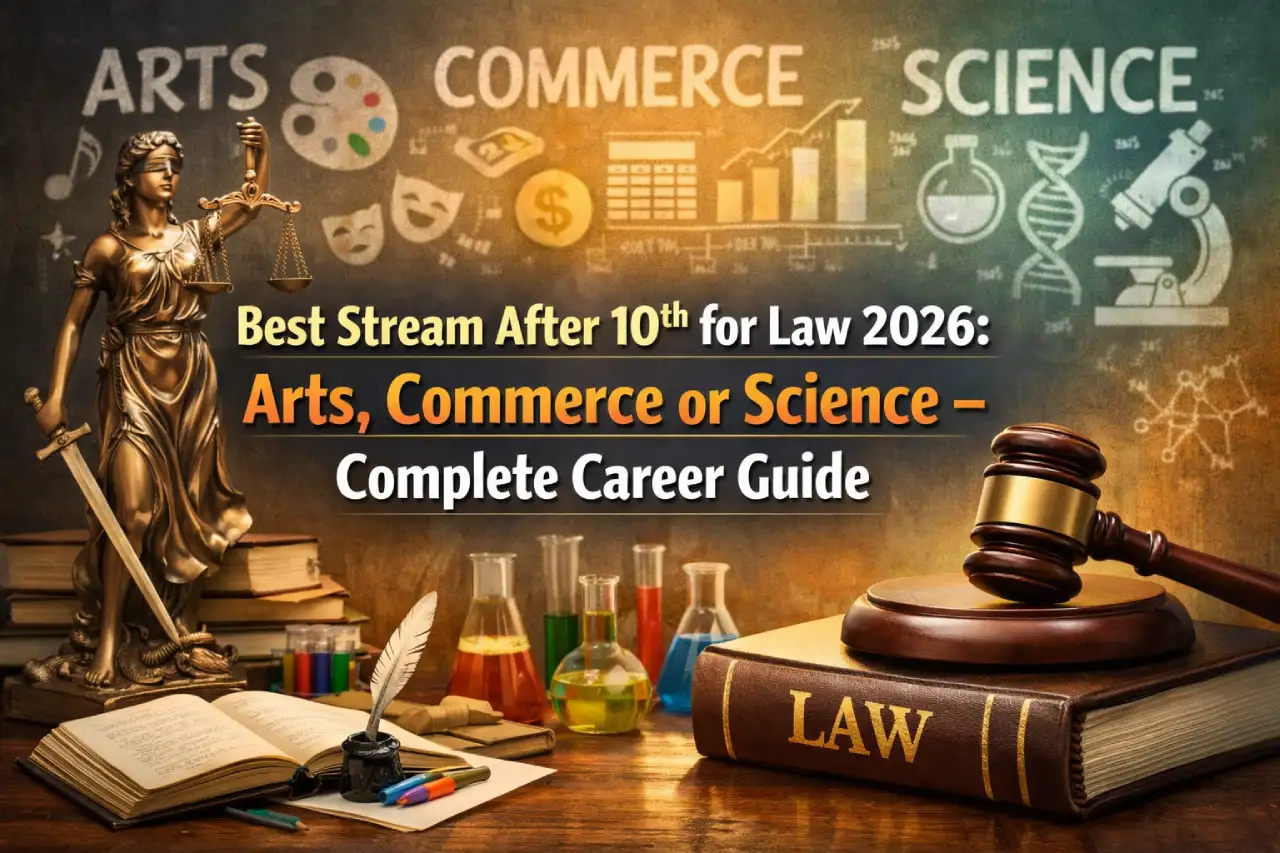
After completing Class 10, one of the biggest decisions students face is choosing the right stream for their higher secondary education. The options — Science, Commerce, and Arts (Humanities) — open different career paths and define future academic choices. This decision often feels overwhelming because it sets the foundation for a student’s career, whether in engineering, medicine, business, design, law, or the arts.

I am writing about this topic because I’ve seen how many students and parents struggle to make this choice, often due to limited information or social pressure. Choosing a stream after Class 10 should not be based on marks alone; it should be guided by interest, aptitude, and long-term goals. With proper understanding of each stream and its career prospects, students can make confident and informed choices that match their strengths and ambitions.

Understanding Stream Selection After 10th

Stream selection is the process of deciding what field of study you will pursue in Classes 11 and 12. Each stream focuses on specific subjects and skills that prepare students for higher education and future professions.

In India, schools generally offer three major streams after Class 10 — Science, Commerce, and Arts (Humanities). A few vocational and skill-based options are also available in certain boards and institutions.

Before we explore each stream, it’s important to remember that there is no “better” or “worse” stream — only the one that best suits your interests and future career goals.

Science Stream

The Science stream is one of the most popular choices among students who are interested in technology, medicine, or research. It is a stream that opens doors to a wide range of professional courses and career opportunities.

Key Subjects:

  • Physics
  • Chemistry
  • Mathematics / Biology
  • English
  • Computer Science (optional)

Students can choose between two main combinations:

  • PCM (Physics, Chemistry, Mathematics) – suitable for engineering, architecture, and computer-related fields.
  • PCB (Physics, Chemistry, Biology) – suitable for medical and life science-related careers.

Popular Career Options:

  • Engineering (B.Tech / B.E.)
  • Medicine (MBBS, BDS, Nursing, Pharmacy)
  • Biotechnology and Biomedical Research
  • Data Science and Artificial Intelligence
  • Defence and Civil Services
  • Space Science, Robotics, and Environmental Science

Who Should Choose Science:

If you enjoy problem-solving, logical reasoning, and understanding how things work, Science may be the right choice for you. It also suits students who plan to pursue careers in technology, research, or healthcare.

Commerce Stream

The Commerce stream is perfect for students interested in business, finance, economics, or management. It provides a solid foundation for understanding trade, markets, and financial systems — skills that are highly valuable in today’s economy.

Key Subjects:

  • Accountancy
  • Business Studies
  • Economics
  • Mathematics (optional but recommended)
  • English

Popular Career Options:

  • Chartered Accountant (CA)
  • Company Secretary (CS)
  • Cost and Management Accountant (CMA)
  • Bachelor of Commerce (B.Com)
  • Bachelor of Business Administration (BBA)
  • MBA and Banking & Finance sectors

Who Should Choose Commerce:

Students who are analytical, good with numbers, and interested in economics or entrepreneurship should consider Commerce. It’s also ideal for those who want to build a career in corporate management or financial planning.

Arts (Humanities) Stream

The Arts or Humanities stream is best for students who have a strong interest in languages, history, culture, social sciences, or creative fields. This stream offers the most flexibility and diverse career options.

Key Subjects:

  • History
  • Political Science
  • Geography
  • Sociology
  • Psychology
  • English
  • Fine Arts or Mass Communication (optional in some schools)

Popular Career Options:

  • Civil Services (IAS, IPS, IFS)
  • Journalism and Mass Communication
  • Law and Public Policy
  • Teaching and Education
  • Design, Film, and Performing Arts
  • Psychology, Social Work, or International Relations

Who Should Choose Arts:

Students with strong communication skills, creative thinking, and an interest in society, culture, or governance will do well in this stream. Arts is also a good choice for those who aspire to join civil services or pursue careers in writing, media, or law.

Vocational and Skill-Based Streams

Apart from the traditional academic streams, many schools and boards now offer vocational or skill-based courses. These are ideal for students who prefer hands-on learning and wish to enter the workforce or technical training early.

Examples of Vocational Courses:

  • Hospitality and Tourism
  • Fashion Design
  • Graphic Designing
  • Computer Applications
  • Agriculture and Horticulture
  • Automobile and Electrical Maintenance

These courses help students develop job-oriented skills and are supported by both the National Skill Development Corporation (NSDC) and various state education boards.

Leave a Comment

End of Article

Top Aerospace Jobs for 2026 Graduates: High-Demand Roles, Skills and Career Scope

Top Aerospace Jobs for 2026 Graduates: High-Demand Roles, Skills and Career Scope

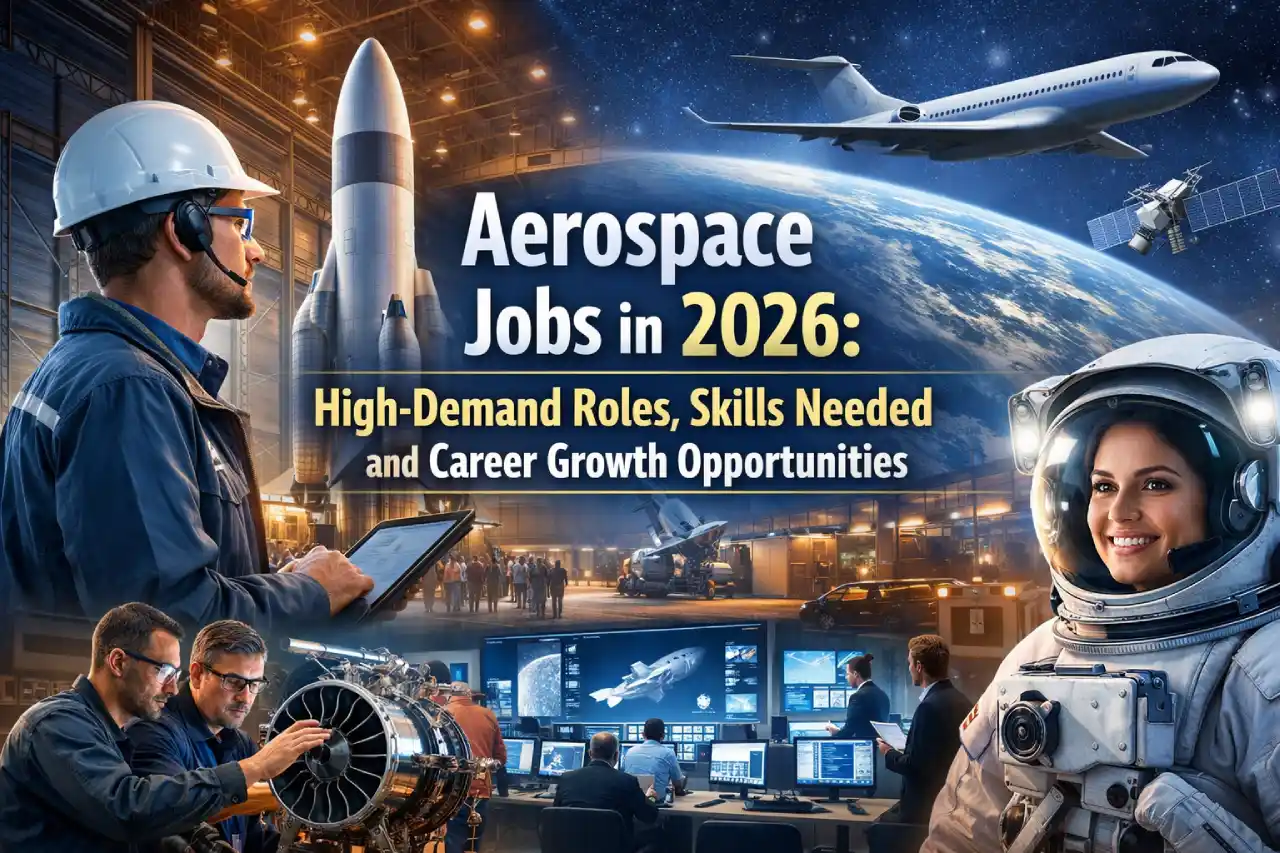
The aerospace sector is entering an exciting growth phase, and 2026 graduates are stepping into a job market filled with specialised and high-value roles. From commercial aviation to space exploration and defence manufacturing, the demand for skilled aerospace professionals is rising steadily. New technologies, increased air travel, satellite programmes, and private space missions are pushing companies to hire fresh talent with strong fundamentals and practical skills. For graduates planning ahead, aerospace can offer both stability and innovation-driven careers.

I am writing about this topic because many students still see aerospace as a limited or niche field, which is no longer true. Today, the sector needs engineers, analysts, software experts, and operations specialists in large numbers. Understanding which roles are in demand helps students choose the right electives, internships, and skill sets before they graduate. This kind of clarity can make a big difference during campus placements and early career decisions.

Why the Aerospace Sector Is Growing Fast

The aerospace industry is expanding due to multiple global and national factors. Increased investment in defence, satellite-based communication, space research, and aircraft manufacturing has created long-term job opportunities. In India and globally, governments and private players are working together to strengthen aerospace ecosystems, leading to more hiring across design, production, testing, and operations.

Aerospace Design Engineer

Aerospace design engineers remain one of the most sought-after roles. These professionals work on designing aircraft structures, engines, spacecraft components, and systems.

Key skills required include:

  • Strong understanding of aerodynamics and materials
  • CAD and simulation software knowledge
  • Problem-solving and analytical thinking

This role suits graduates who enjoy core engineering and technical depth.

Avionics and Systems Engineer

With modern aircraft becoming more software-driven, avionics engineers are in high demand. They work on navigation systems, communication equipment, flight control systems, and onboard electronics.

Why this role matters:

  • Increasing automation in aircraft and drones
  • Heavy reliance on electronic control systems
  • Growing demand in defence and commercial aviation

Graduates with electronics, electrical, or aerospace backgrounds fit well here.

Aerospace Manufacturing and Quality Engineer

Manufacturing engineers ensure that aircraft and space components are built accurately, safely, and efficiently. Quality engineers focus on compliance, testing, and safety standards.

Typical responsibilities include:

  • Overseeing production processes
  • Ensuring safety and regulatory compliance
  • Coordinating with design and testing teams

These roles are ideal for graduates interested in hands-on industrial work.

Space Systems and Satellite Engineer

With satellite launches and space missions increasing, space systems engineers are becoming critical. They work on payloads, launch systems, and satellite operations.

High-demand areas include:

  • Satellite communication systems
  • Launch vehicle support
  • Mission planning and testing

This role appeals to graduates interested in space technology and research-oriented careers.

Aerospace Software and Data Engineer

Software is now central to aerospace systems, from flight simulations to predictive maintenance. Data engineers and software developers are increasingly hired by aerospace firms.

In-demand skills include:

  • Programming and system modelling
  • Embedded systems and control software
  • Data analysis for performance and safety

This role suits graduates who combine engineering knowledge with coding skills.

Maintenance, Repair and Operations Specialist

Aircraft maintenance and operations professionals are essential to keep fleets safe and efficient. Airlines and aerospace service companies regularly recruit graduates for these roles.

Key areas of work:

  • Aircraft inspection and troubleshooting
  • Maintenance planning and documentation
  • Safety audits and compliance checks

These roles offer steady career growth and international exposure.

Skills 2026 Graduates Should Focus On

To stand out in the aerospace job market, graduates should focus on:

  • Strong fundamentals in engineering subjects
  • Practical experience through internships and projects
  • Software tools relevant to aerospace design and analysis
  • Communication and teamwork skills

From my experience, students who combine technical knowledge with real-world exposure are far more confident during interviews.

Leave a Comment

End of Article

Loading more posts...