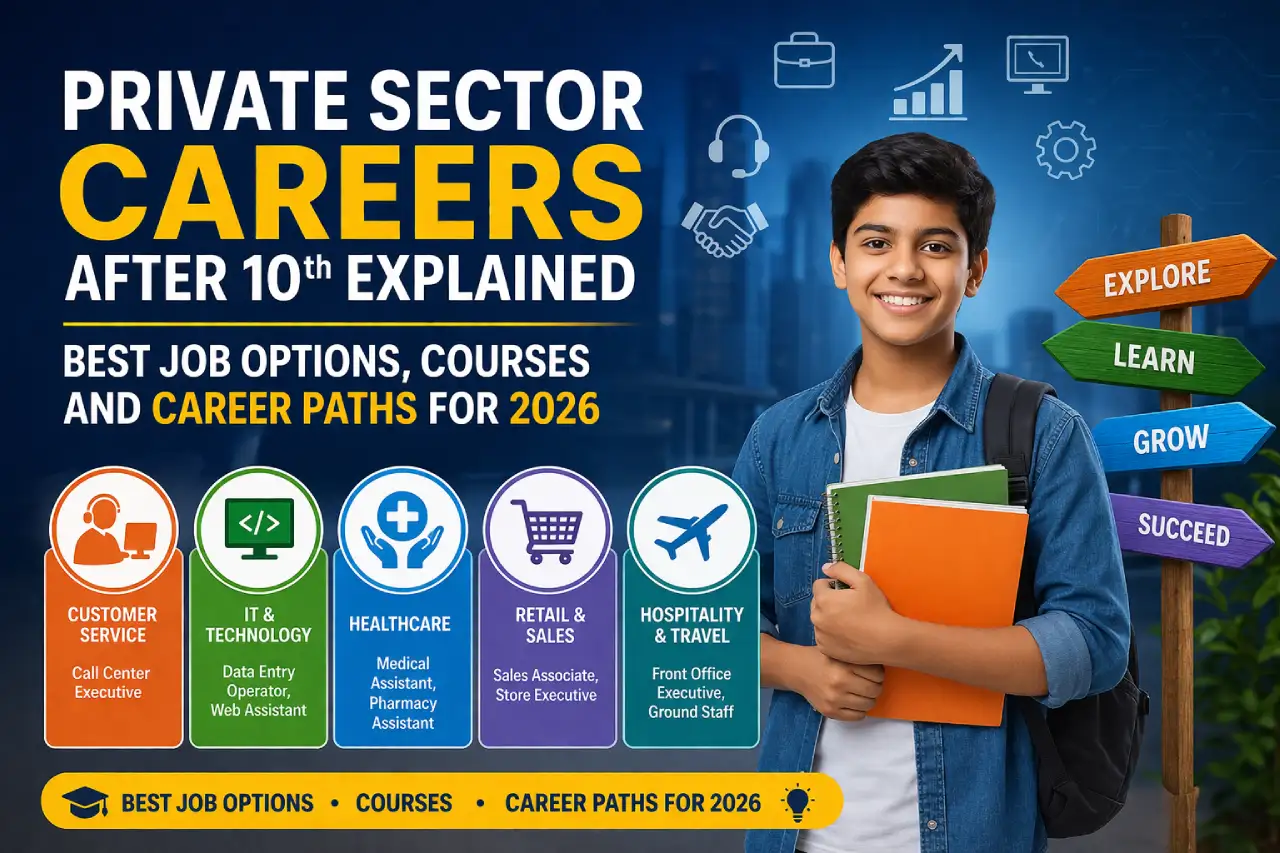
Choosing the right stream after school has always been a big decision, but in 2026, it matters more than ever. Students today are not just choosing subjects, they are choosing how quickly they want to become employable. While traditional streams like science, commerce, and arts continue to be popular, vocational studies are steadily gaining importance. These courses focus on practical skills, hands-on training, and real-world applications, making them a strong option for students who want job-ready skills early.
I am writing about vocational studies because many students and parents still see them as a second choice, not a smart alternative. That thinking is changing fast. With industries demanding skilled workers rather than just degree holders, vocational education is becoming a practical and respected pathway. Understanding this shift can help students make confident stream choices instead of following outdated trends or social pressure.
What Are Vocational Studies?
Vocational studies focus on skill-based education designed to prepare students for specific jobs or industries. These courses combine classroom learning with practical training, internships, and on-the-job exposure.
Instead of only theory, students learn how things work in real situations, whether it is technology, healthcare, design, hospitality, manufacturing, or digital services.
Why Vocational Studies Make Sense in 2026
The job market in 2026 is expected to reward skills more than degrees alone. Automation, AI, and changing industry needs mean employers are looking for people who can start work with minimal training.
Vocational courses are aligned with industry needs, which means students often find jobs faster and with clearer career paths. From my perspective, this makes vocational education a sensible option for students who value independence and early career stability.
Faster Entry into the Workforce
One of the biggest advantages of vocational studies is quicker employability. While traditional degree courses may take three to five years before a student becomes job-ready, vocational courses often offer placement opportunities within a shorter time.
This is especially useful for students who want to support themselves early or gain work experience alongside further studies.
Wide Range of Career Options
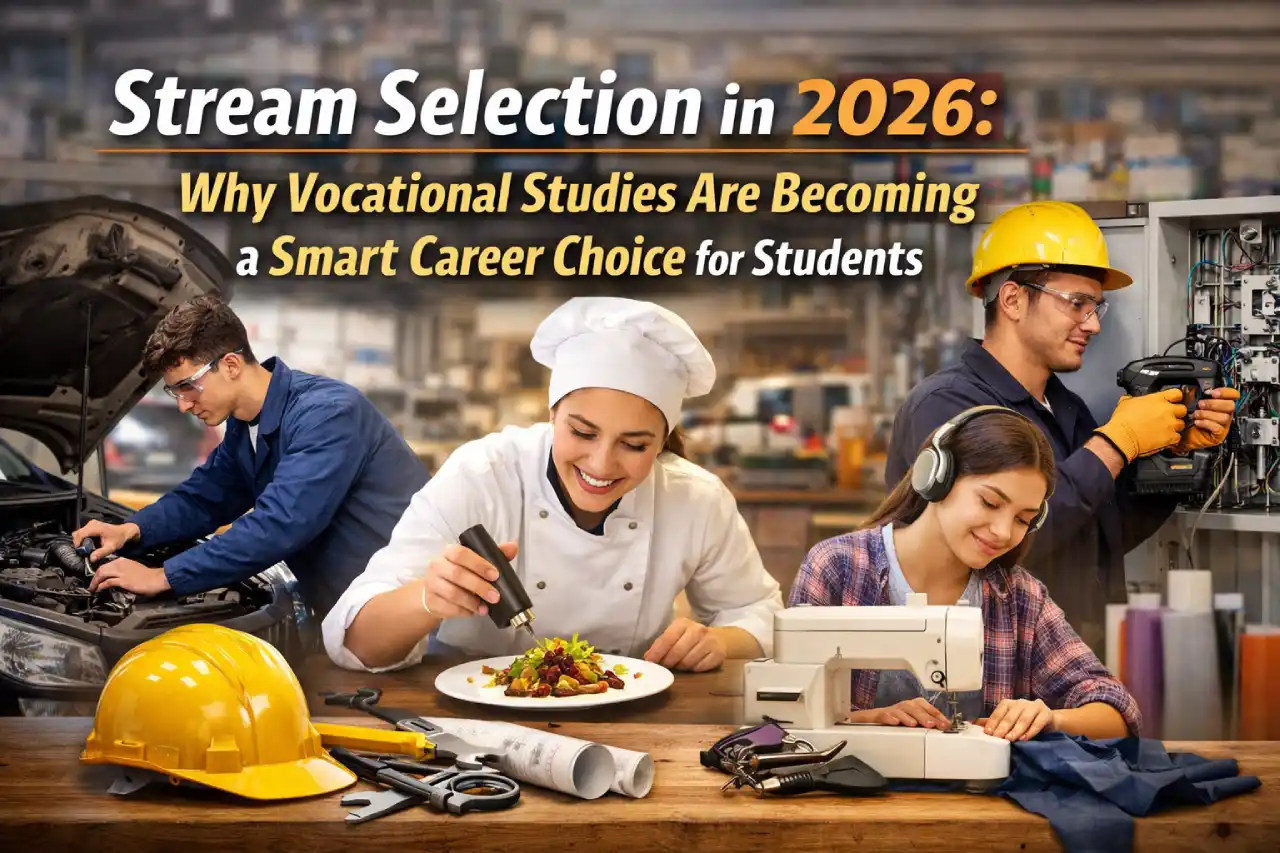
Vocational education in 2026 is no longer limited to a few trades. Students can choose from areas such as:
- Information technology and software support
- Healthcare and paramedical services
- Digital marketing and media
- Electronics and renewable energy
- Automobile and manufacturing technology
- Fashion, design, and creative fields
These options allow students to match their interests with market demand.
Breaking the Degree-Only Mindset
For years, success was measured by degrees alone. Today, that mindset is slowly changing. Many skilled professionals without traditional degrees are building successful careers through vocational training.
I believe students should choose streams based on aptitude and interest, not social comparison. A skilled technician or digital specialist can often earn as well as, or even more than, a general degree holder.
Vocational Studies with Further Education
Another important point is that vocational studies do not block higher education. Many vocational pathways allow students to pursue diplomas, advanced certifications, or even degrees later.
This flexibility gives students the freedom to grow academically while staying connected to practical skills.
Things Students Should Consider Before Choosing Vocational Studies
Before selecting a vocational stream, students should think about:
- Personal interest and strengths
- Industry demand and future growth
- Quality of training institute
- Certification and recognition
- Internship and placement support
Talking to counsellors, teachers, and professionals can help clarify doubts.
Role of Parents and Schools
Parents and schools play a key role in shaping student choices. Encouraging open discussions and exposing students to different career paths can reduce fear and confusion around vocational education.
Informed guidance makes stream selection a positive decision rather than a forced one.