Choosing what to do after Class 12th can be confusing for many students. Some wish to continue higher studies, while others want to start earning early or gain experience. The good news is, today’s job market offers plenty of opportunities for students who have just completed their 12th. From online freelancing to government jobs and skill-based professions, there are many ways to build a career right after school.
I’m writing this article because I’ve seen many students struggling with this decision. They often think a college degree is the only path to success, but that’s not true anymore. There are several jobs that don’t require a degree but do need skills, dedication, and practical experience. Knowing about these options helps students make informed choices, become financially independent, and plan their careers smartly. So let’s explore some of the best jobs and career options after 12th that can give both income and growth.
Government Jobs After 12th
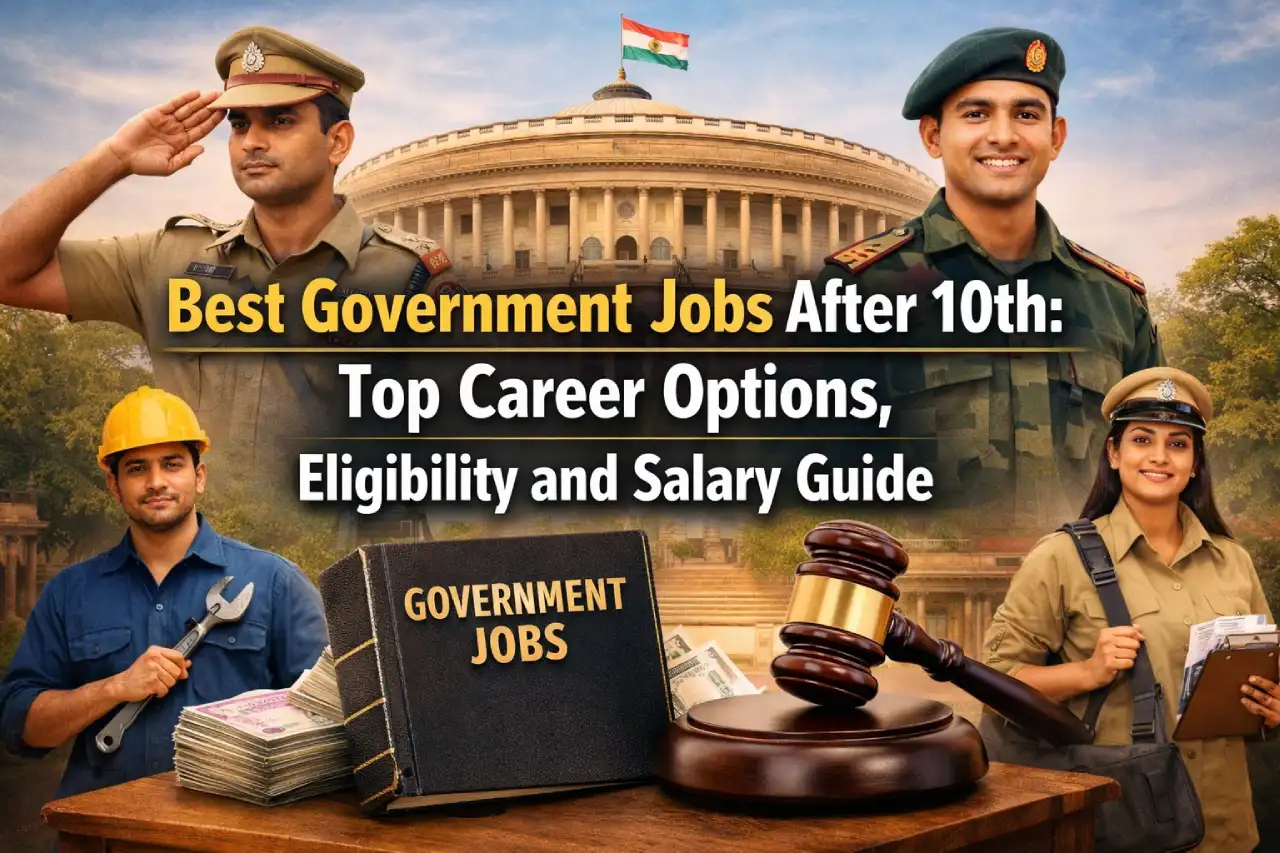
Government jobs are among the most secure and respected career choices in India. Several government departments recruit 12th-pass candidates every year.
Some popular options include:
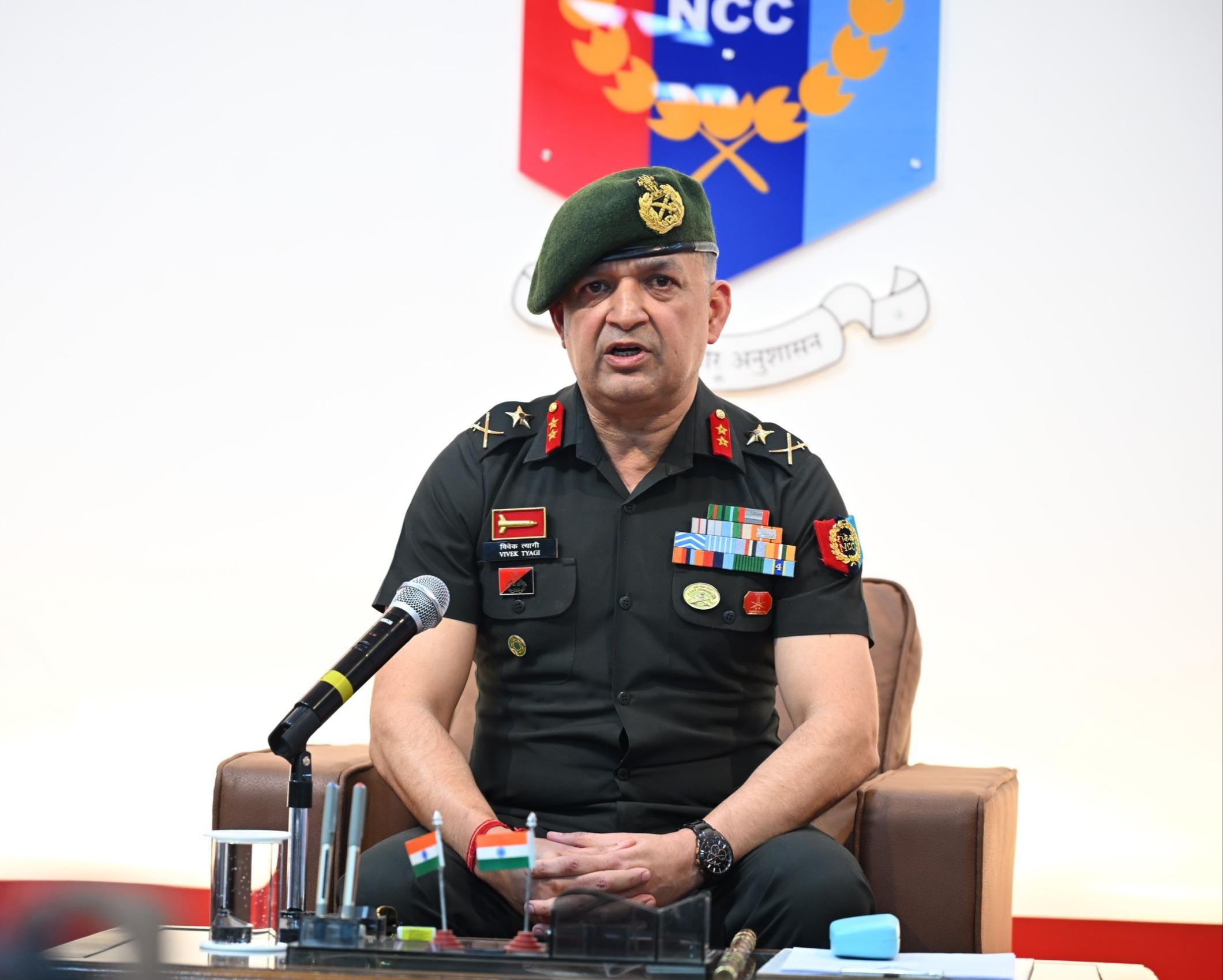
- Indian Army, Navy, and Air Force: You can join through exams like NDA (National Defence Academy) or Indian Navy SSR/AA entries.
- Staff Selection Commission (SSC) Exams: Posts like Lower Division Clerk (LDC), Data Entry Operator (DEO), or Multi-Tasking Staff (MTS) are available for 12th-pass candidates.
- Railway Jobs: Indian Railways offers various technical and non-technical roles after 12th.
These jobs provide stable income, social respect, and long-term career benefits.
Private Sector Jobs After 12th
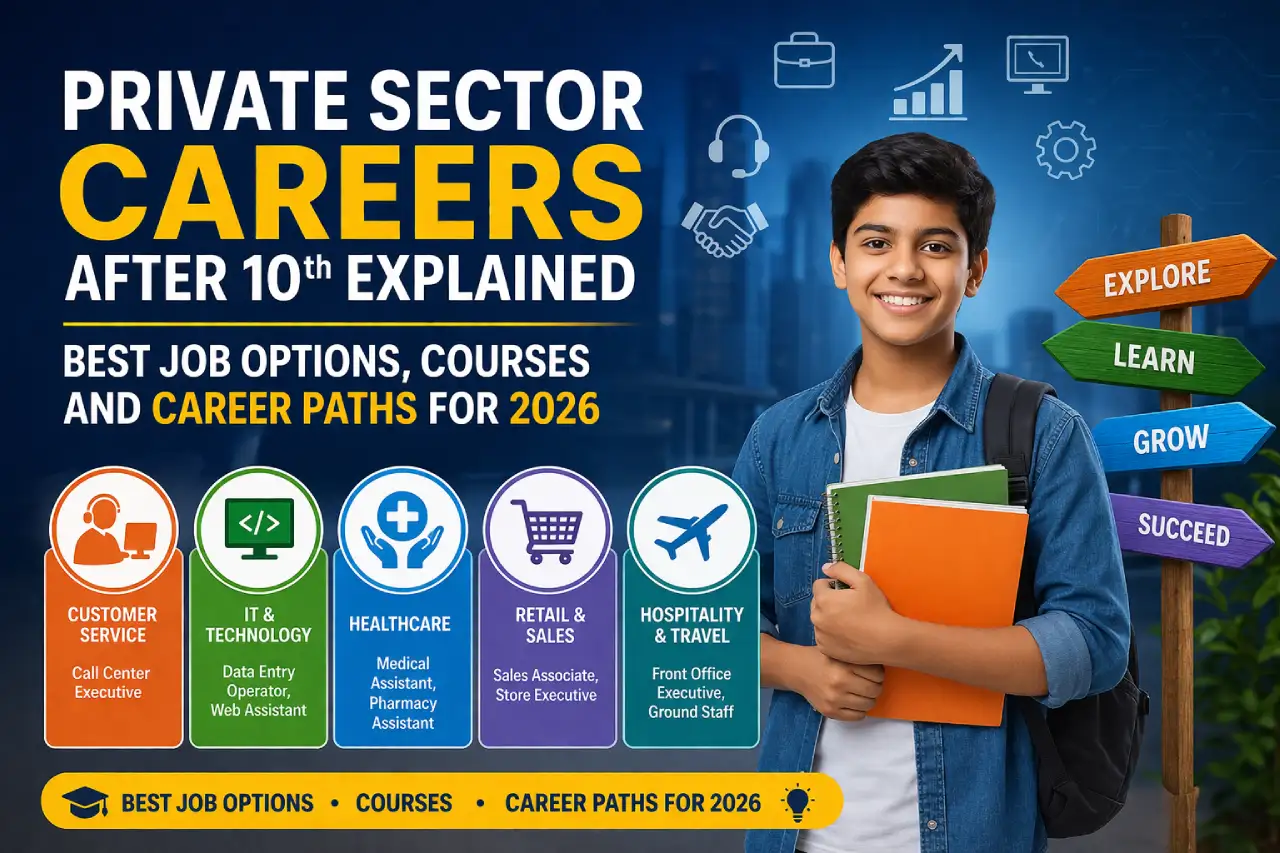
Many private companies hire young people with good communication and basic computer skills.
Some popular roles are:
- Customer Service Executive (BPOs and Call Centres)
- Sales and Marketing Assistant
- Front Desk Executive (Hotels or Hospitals)
- Data Entry Operator
If you have strong English-speaking skills, these jobs can pay quite well even at the starting level. With experience, you can move into senior roles quickly.
Freelancing and Online Jobs
In today’s time, online jobs have become a great source of income for students. You can work part-time or full-time depending on your schedule.
Some options include:
- Content Writing or Blogging – If you enjoy writing, you can earn by writing articles or creating your own blog.
- Graphic Designing – Many online platforms like Fiverr and Upwork offer freelance projects for creative students.
- Social Media Management – Small businesses hire students to handle their social media pages.
- Online Tutoring – Teaching school students online is a flexible and well-paying option.
The best part is, you can work from home and learn new skills while studying.
Skill-Based Jobs
If you are more interested in practical work, vocational training can open many doors. After completing a short-term diploma or certification course, you can start working in fields like:
- Electrician or Technician
- Digital Marketing Executive
- Photography or Video Editing
- Beauty and Wellness
- Computer Hardware and Networking
These jobs focus more on skills than on degrees, and with experience, you can even start your own business.
Part-Time Jobs for Students
For those continuing college but wanting to earn on the side, part-time jobs are perfect. Some good part-time options include:
- Working as a tutor
- Doing event promotion or brand marketing
- Joining as a delivery partner (Swiggy, Zomato, Amazon)
- Working at cafes or bookstores
These roles help build communication skills and give students a sense of financial independence.
Creative Career Options
If you are artistic or have a creative side, several new-age jobs can match your interest:
- Content Creator (YouTube, Instagram)
- Fashion Stylist
- Makeup Artist
- Animator or Video Creator
- Music Producer or DJ
Such careers take time to build but can become highly rewarding with talent and consistency.
Tips Before Choosing a Job After 12th
Before jumping into any job, consider these few things:
- Choose a job that matches your interests and strengths.
- Don’t compromise your studies if you plan to continue further education.
- Learn one new skill every few months to stay updated.
- Check the credibility of any online job before applying.