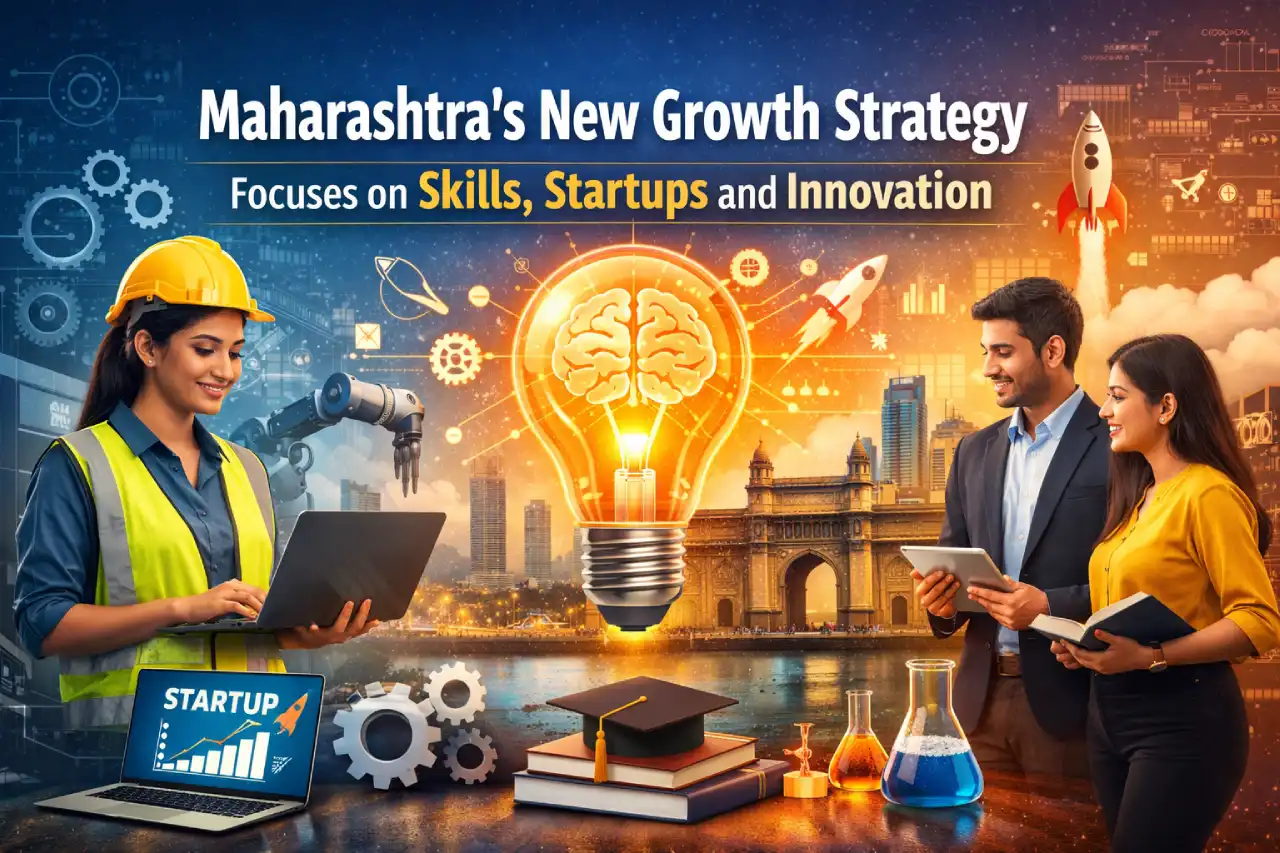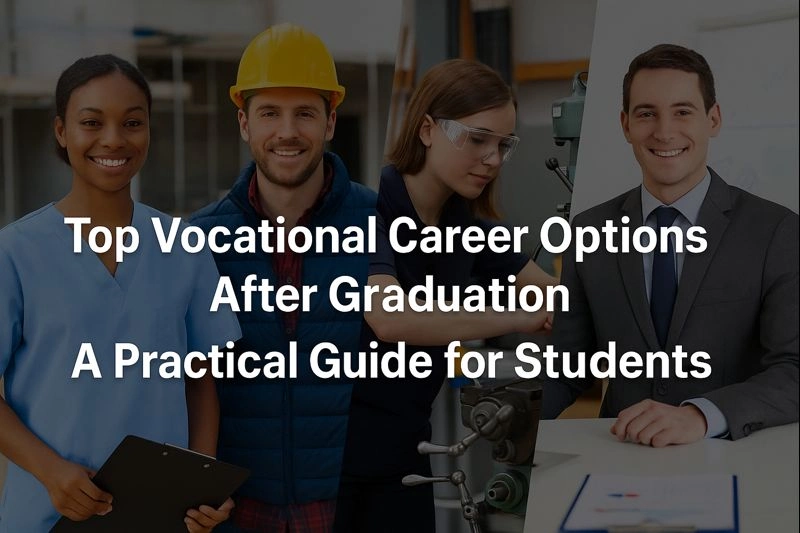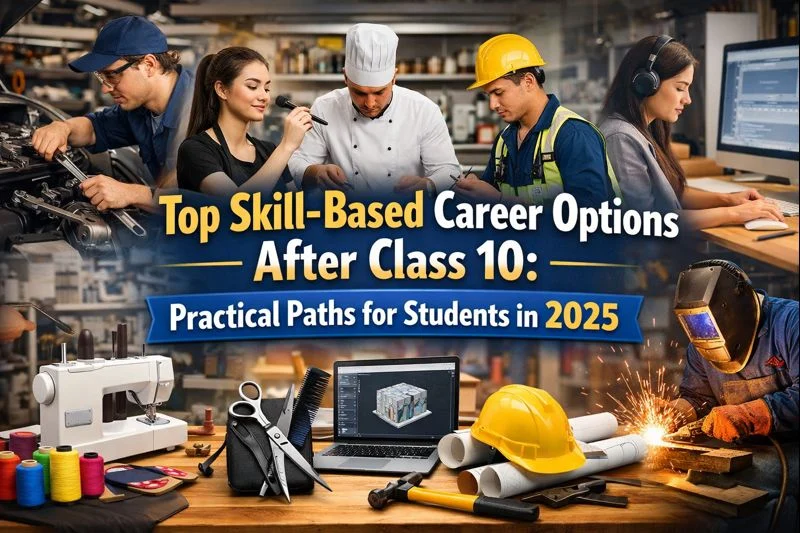
Choosing a career after Class 10 can feel overwhelming for many students, especially when they are unsure whether to follow the traditional academic route or explore more practical, skill-based options. Skill-based careers are becoming increasingly popular because they offer early entry into the workforce, hands-on training and opportunities to build real expertise without waiting years for a degree. For students who enjoy learning by doing, these pathways can open doors to stable earnings and long-term growth.
I am writing this guide because a large number of students feel pressured to choose Science, Commerce or Arts even when their interests lie in more application-oriented fields. Today’s job market values skills as much as, or sometimes even more than, formal degrees. With India’s growing focus on vocational training, digital skills and industry-ready talent, it is important for students and parents to know the wide range of opportunities available right after Class 10. Understanding these options helps students make informed decisions, reduces confusion and encourages young learners to choose paths that match their strengths and goals.
Why Skill-Based Careers Matter Today
Skill-based education is becoming essential in India. Several factors are driving this trend:
- Increasing demand for trained technicians, digital workers and service professionals
- Rising salaries in vocational and technical fields
- Growth of start-ups and small businesses needing skilled talent
- Government programmes promoting vocational training, such as Skill India
- Shorter training periods and faster job placement
Skill-based careers suit students who prefer practical learning over theory-heavy subjects.
Popular Skill-Based Careers After Class 10
Here is a look at some of the most promising career options students can pursue after completing their 10th standard.
Technical and Industrial Skills
These fields offer hands-on roles with strong demand:
- Electrician
- Plumber
- Welder and Fabrication Technician
- Automobile Mechanic
- Refrigeration and Air Conditioning Technician
Training is available through ITIs (Industrial Training Institutes) and polytechnic colleges.
Digital and Technology Skills
With the digital sector expanding fast, students can build strong careers by gaining tech skills early.
- Web designing
- Graphic design
- Digital marketing
- Basic coding and programming
- Computer hardware and networking
Short-term courses and government-certified programmes are widely available.
Hospitality and Service Sector Careers
These roles offer excellent growth for students who enjoy interacting with people.
- Hotel front office assistant
- Housekeeping staff
- Bakery and confectionery courses
- Food and beverage service
- Travel and tourism assistant
The hospitality industry continues to expand with new hotels, cafés and travel services.
Health and Wellness Careers
Healthcare is one of the most stable fields in India.
- Nursing assistant
- Pharmacy assistant
- Lab technician support roles
- Yoga and fitness trainer
- Community health worker
Many hospitals and training centres offer short courses after Class 10.
Creative and Design-Oriented Fields
Students with artistic or design interests can start building their portfolios early.
- Fashion design
- Interior decoration
- Jewellery design
- Photography
- Animation and multimedia
These fields reward creativity and practical skill-building.
Agriculture and Rural Skill Careers
For students in rural areas or those interested in agriculture:
- Dairy farming
- Poultry farming
- Organic farming
- Agricultural equipment handling
- Soil testing and farm management support
Government schemes often support training in these areas.
Training Options After Class 10
Students can join various vocational programmes, including:
Industrial Training Institutes (ITIs)
Offer one- to two-year courses in technical fields like electrician, fitter, mechanic and more.
Polytechnics
Provide diploma courses that allow students to specialise in engineering, design or technical fields.
Skill Development Missions
Central and state governments run free or subsidised certification courses under:
- Skill India Mission
- PMKVY (Pradhan Mantri Kaushal Vikas Yojana)
- State Skill Development Centres
Apprenticeships
Allow students to work while learning under industry experts, often with a stipend.
Who Should Choose Skill-Based Careers?
Skill-based pathways are ideal for students who:
- Prefer practical learning over theoretical subjects
- Want to start working early
- Have clear interests in technical, creative or service fields
- Want to gain experience before deciding on higher studies
- Prefer short-term training instead of long academic commitments
Students can still pursue higher education later, such as a diploma-to-degree pathway.