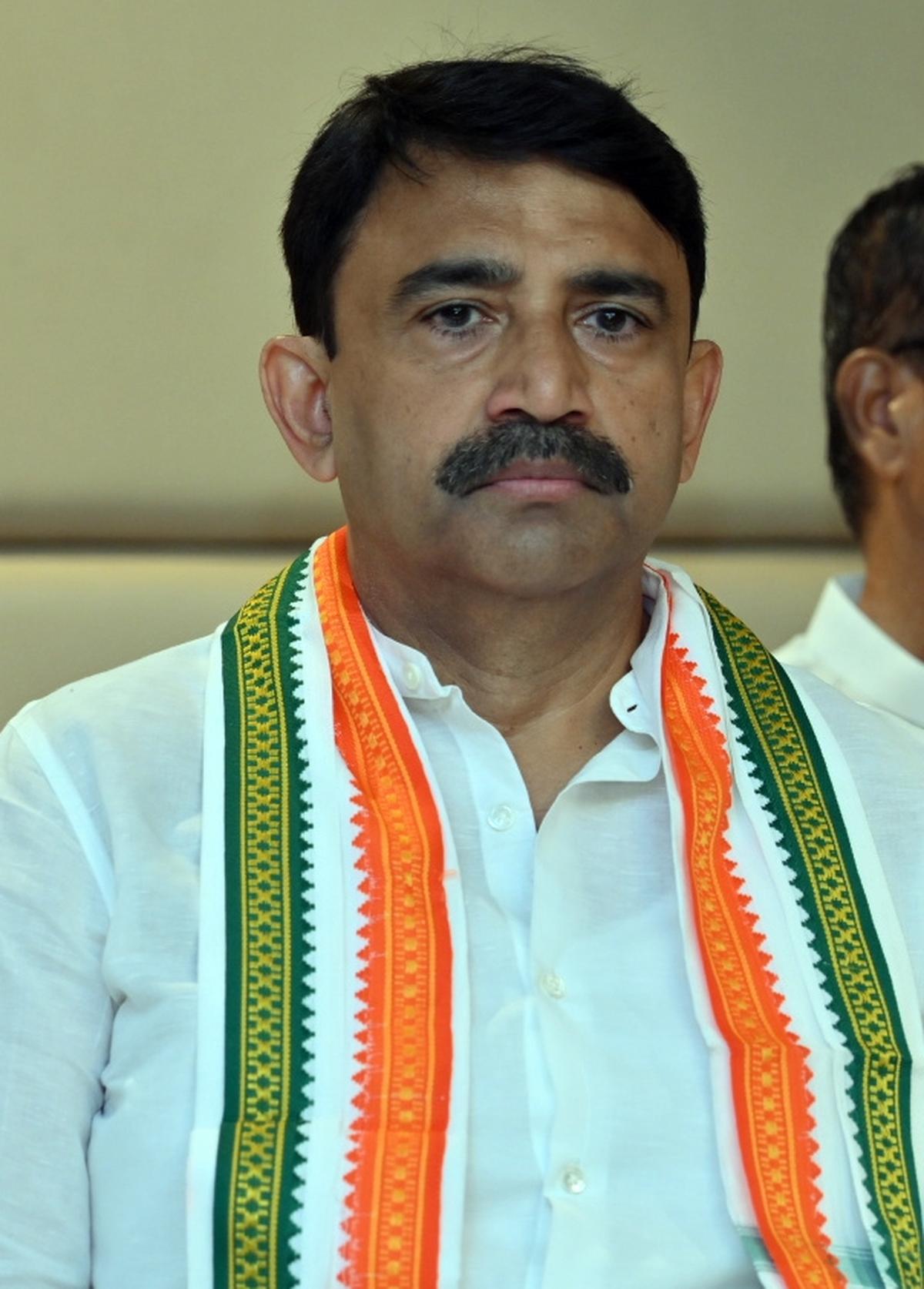
Raichur MP G. Kumar Naik has highlighted the urgent need for a multifaceted strategy to improve higher education enrolment, especially in regions where access and participation remain low. Speaking on the subject, he pointed out that financial, social, and infrastructural barriers are preventing students from continuing their studies after school. His remarks underline that expanding higher education is not only about setting up institutions but also about ensuring affordability, inclusivity, and skill-based learning.
I find this issue important to write about because higher education is often seen as the bridge to opportunities, yet many students in India are unable to cross it. Enrolment rates continue to be uneven, with rural, marginalised, and economically weaker students being the most affected. If we want to build a strong and skilled generation, it is necessary to look beyond one-size-fits-all solutions. This is why the MP’s call for a multifaceted approach matters. It urges us to rethink how policies, financial aid, awareness programmes, and infrastructure can come together to support students. Highlighting these discussions can encourage society and policymakers to work in tandem, so education becomes accessible to all, not just a privileged few.
Why a Multifaceted Approach is Needed
India has seen growth in the number of universities and colleges, but the Gross Enrolment Ratio (GER) in higher education is still far from the desired levels. Challenges like:
- High dropout rates after Class 12 due to financial burden
- Lack of proper guidance for first-generation learners
- Shortage of affordable colleges in rural and semi-urban areas
- Limited focus on job-oriented courses
These factors make it clear that expanding higher education needs more than just new buildings or schemes.
Suggestions Highlighted by MP G. Kumar Naik
The MP stressed that enrolment cannot be improved with a single policy. Instead, the government and institutions should focus on:
- Financial support in the form of scholarships and fee waivers
- Hostel facilities and transportation for students in rural areas
- Career counselling centres to guide students on opportunities
- Stronger collaboration between universities and industries
- Inclusive measures to support girls and marginalised communities
Linking Education with Opportunities
One of the most pressing issues is the gap between higher education and employability. Many parents and students hesitate to invest in higher studies if they do not see a clear career outcome. By designing courses that are aligned with industry requirements and offering skill-based training, this hesitation can be reduced.
The Role of Awareness and Community Support
Awareness is also a big factor. In rural districts, students often do not know about scholarships or courses that could benefit them. Here, local bodies, NGOs, and community groups can play a crucial role by spreading information and encouraging families to allow children, especially girls, to pursue higher studies.