Main Menu
Categories
State Wise Job
- All India Job
- Uttar Pradesh
- Bihar
- Madhya Pradesh
- Rajasthan
- Maharashtra
- Gujarat
- Karnataka
- Tamil Nadu
- Andhra Pradesh
- Telangana
- Kerala
- West Bengal
- Odisha
- Jharkhand
- Chhattisgarh
- Haryana
- Punjab
- Himachal Pradesh
- Uttarakhand
- Assam
- Delhi
- Goa
- Manipur
- Meghalaya
- Tripura
- Arunachal Pradesh
- Mizoram
- Nagaland
- Sikkim
- Jammu & Kashmir
- Ladakh
- Chandigarh
- Puducherry
- Andaman & Nicobar
Punjab and Sind Bank LBO Admit Card Download 2026

Maharashtra HSC Result 2026: 89.79% Pass; Girls Once Again Outperform Boys
Major Supreme Court Verdict: School Admission Mandatory Under RTE Act

BPSSC Havildar Instructor Recruitment 2026 - Bihar Police

MPSC Civil Judge Notification 2026 Out for 286 Posts

Today's School Assembly News Headlines for May 02, 2026
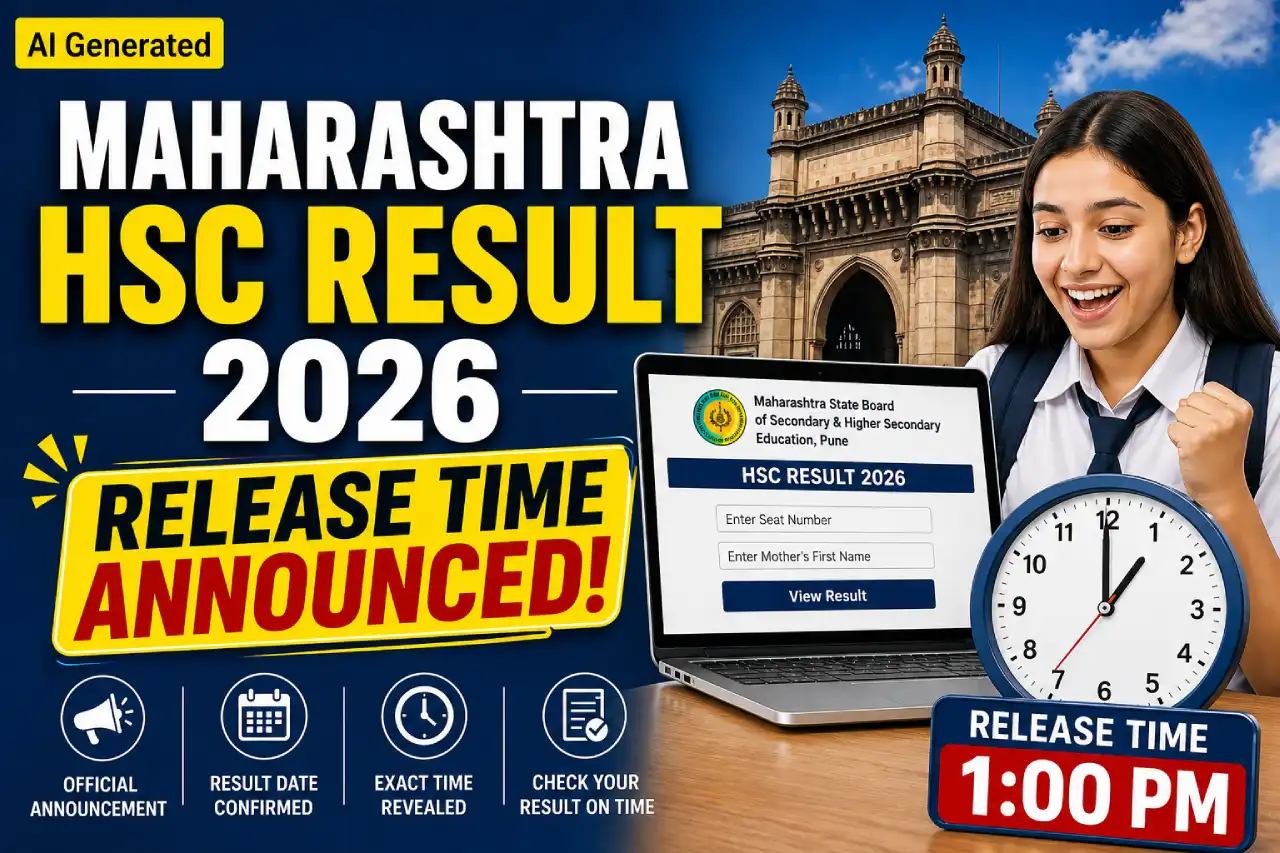
Maharashtra HSC Result 2026 Release Time Announced: Results on May 2 at 1:00 PM

Why Choose a Career in Cybersecurity in 2026?
OICL AO Mains Result 2026 Out Administrative Officer
School Assembly News Headlines for May 01, 2026
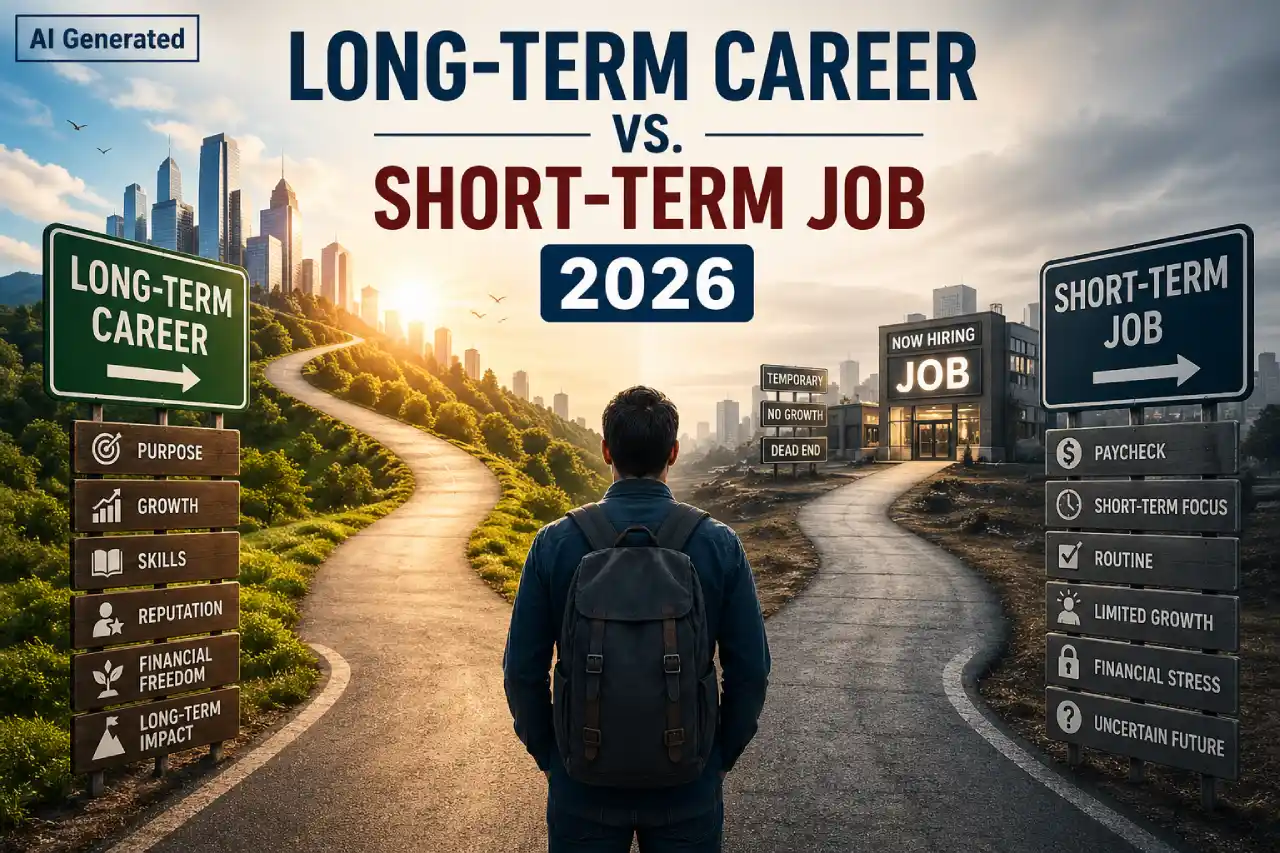
Long-term Career vs. Short-term Job: 2026
RPSC Agriculture Officer Result 2026 Out Now

CISCE Board Result 2026 for Class 10th, 12th

April 30 School Assembly News Headlines: National, International, Business, and Sports News
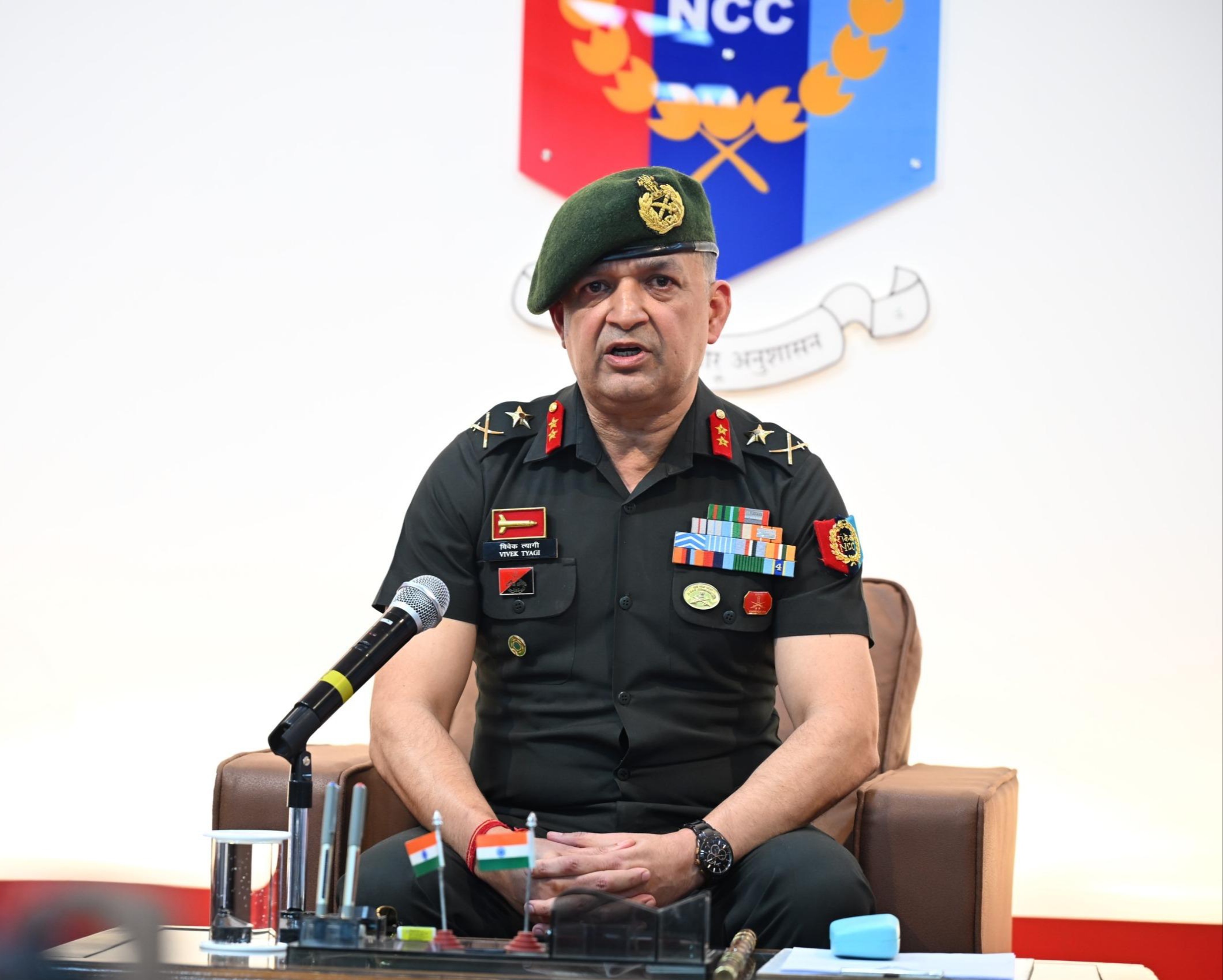
The Pride of Uniform Meets the Future of Tech: Nagpur to Become NCC’s ‘Power House’ under Major General Vivek Tyagi’s New Vision
Chhattisgarh Board Result 2026 Class 10th, 12th

Today's School Assembly News Headlines April 29: National, International, Sports, and Education News
Combined Defence Services Examination (I), 2026 Elementary Mathematics Question Paper
DigiLocker Drops a Major Hint: Maharashtra HSC Result 2026 Coming Very Soon?
Combined Defence Services Examination (I), 2026 General Knowledge Question Paper




Govt Jobs by Positions
Govt Jobs by Qualification
Yuva Career – Your Trusted Career & Government Job Portal in India
Welcome to Yuva Career — a comprehensive platform built for Indian students and job seekers who are ready to shape their futures. Whether you are a fresh graduate exploring career options, a competitive exam aspirant tracking the latest recruitment, or a professional looking for growth opportunities, Yuva Career brings everything you need to one place — free of cost and easy to navigate.
Government & Private Job Alerts — Updated Daily
We publish the latest Government Job notifications from departments such as SSC, UPSC, RRB, Banking, Police, Defence, PSUs, and State PSCs — along with leading private sector openings in IT, banking, and finance. Each listing includes vacancy count, eligibility criteria, application deadlines, and direct links to apply. Never miss a deadline again with Yuva Career’s real-time job alerts.
Competitive Exam Preparation & Free Study Resources
Preparing for UPSC, SSC, Railway, or Teacher exams? Our dedicated exam prep section offers structured study guides, previous year question papers, handwritten notes, eBooks, and syllabus breakdowns — all available for free. We believe every student, regardless of their financial background, deserves access to quality preparation material.
Career Guidance for Students & Young Professionals
Not sure which path to take after school or graduation? Yuva Career offers practical career guidance covering stream selection, emerging fields like AI and cybersecurity, post-secondary options, and skill-building roadmaps. Our goal is to empower every young Indian with the information they need to make confident, informed career decisions.
Stay connected with Yuva Career for daily updates on government jobs, exam results, admit cards, answer keys, and career news. Our dedicated team works around the clock to ensure you always have accurate, up-to-date information to take the next step in your career.