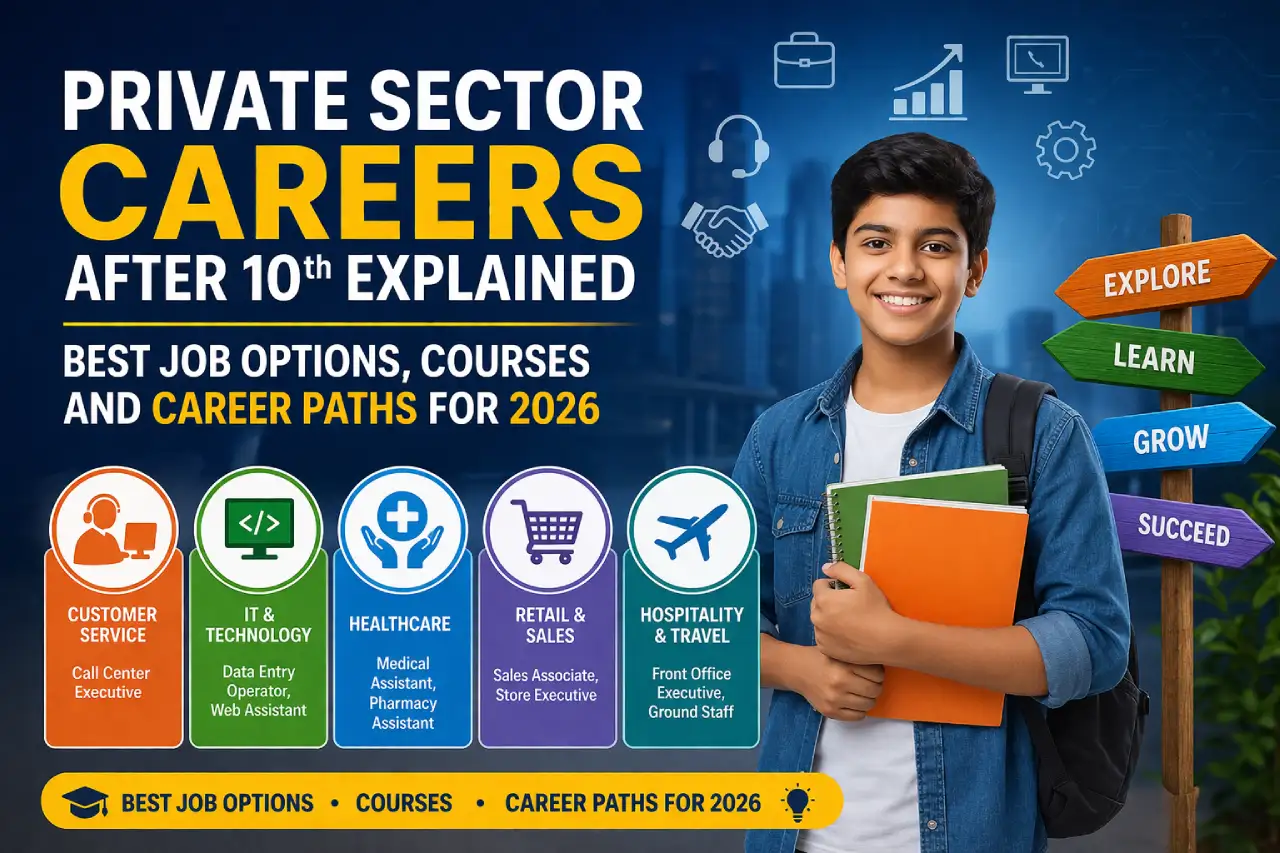
Class 10 results often feel like the first real turning point in a student’s life. It’s the stage where you stop learning everything and start choosing what to focus on. Whether it’s Science, Commerce, or Arts, the stream you select now can influence your career path later. But what many students and parents forget is that a lot of doors are open even after Class 10—not everything depends on just marksheets or board exam percentages.
I’m writing about this because I’ve seen how much pressure students face after Class 10, and how confusing this phase can be. Everyone talks about marks, cut-offs, and board toppers, but not enough people talk about real options. I believe it’s important to show students that they’re not stuck with one path. There are so many career choices after Class 10—vocational courses, diploma programs, and creative fields—that can be just as successful as the traditional streams. The goal of this article is to help students and parents understand that career building starts with clarity, not just scores. If you or someone you know is stuck wondering what to do after 10th, this might help make things clearer.
What to Do After Class 10: It’s Not Just About Choosing a Stream
Right after the 10th, most students are told to pick between Science, Commerce, or Arts. But the real decision isn’t just the stream—it’s understanding why you’re choosing it. Your interests, strengths, and long-term goals matter more than just scoring 90% in maths or science.
The Traditional Path: Choosing Science, Commerce or Arts
1. Science Stream
Best for students interested in engineering, medical, research, or technology. It includes subjects like Physics, Chemistry, Maths, Biology, and Computer Science.
Pros:
- Leads to high-demand careers like engineering, medicine, and data science
- Keeps more options open after 12th
Cons:
- More study pressure and competition
- Coaching classes are often required
2. Commerce Stream
Ideal for students interested in business, finance, banking, or economics. Key subjects include Accountancy, Business Studies, Economics, and Maths (optional).
Pros:
- Wide scope in corporate jobs, CA, BBA, and even government roles
- Practical subject base
Cons:
- Maths can be tough for some students
- Competitive fields like CA need dedication
3. Arts/Humanities Stream
Best for those who enjoy reading, writing, history, or social sciences. Subjects include History, Geography, Political Science, Psychology, Sociology, etc.
Pros:
- Suitable for civil services, media, design, teaching, and law
- More flexibility and creative options
Cons:
- Still looked down upon by many, despite growing demand
- Limited job roles without higher education
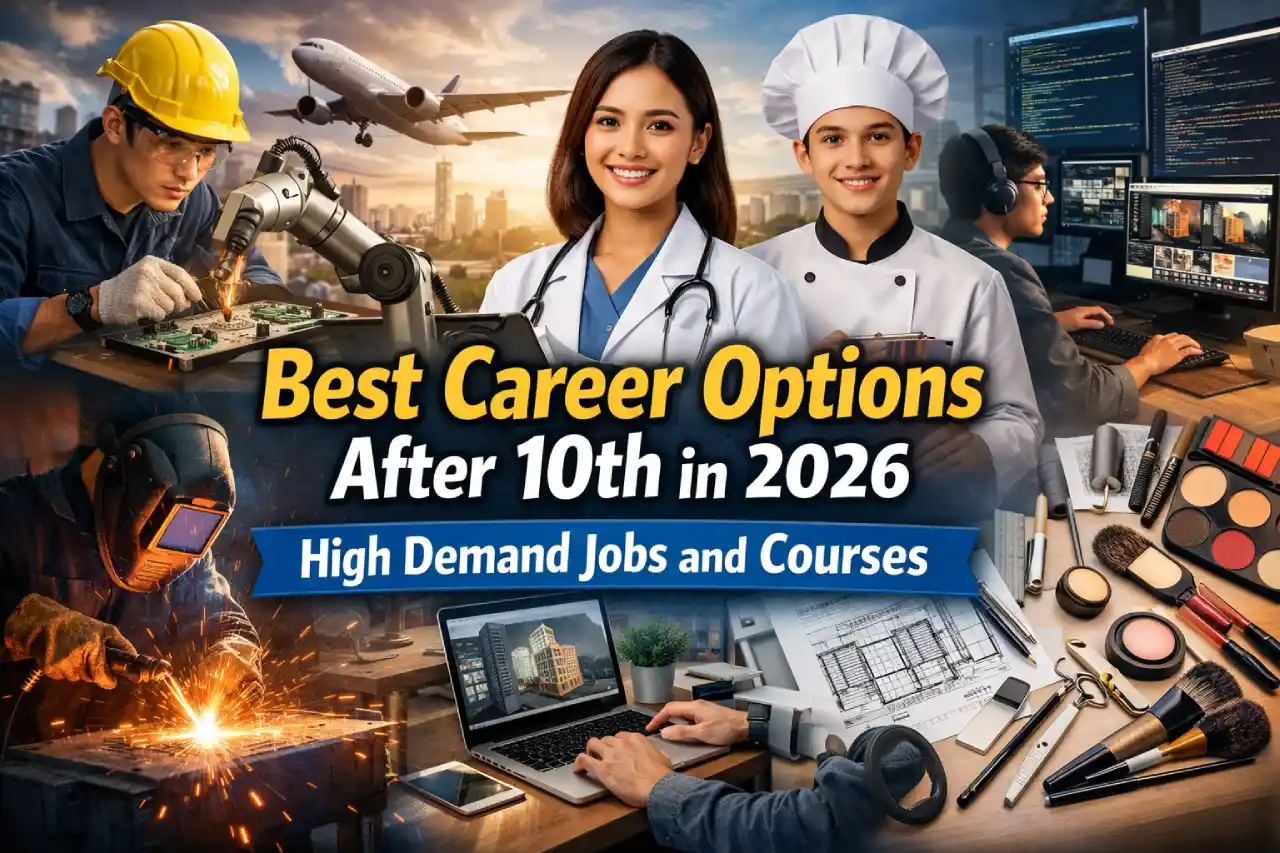
Not Interested in Traditional Streams? Try These Options
1. Polytechnic Diploma Courses
These are 3-year diploma programs in fields like Mechanical, Civil, Computer, or Electrical Engineering. After this, students can either get jobs or go for a lateral entry into B.Tech.
2. ITI (Industrial Training Institute) Courses
Government-run technical training in trades like electrician, welder, plumber, fitter, and mechanic. Great for students who want to start working early.
3. Paramedical Courses
Short-term diploma or certificate courses in medical lab technology, radiology, nursing assistant, etc. These are job-oriented and offer good starting salaries.
4. Design and Creative Courses
Students interested in drawing, animation, fashion, or interior design can explore diploma courses in design. Institutes like NIFT, NID, and private academies offer early admissions.
5. Sports or Performing Arts
If you’re passionate about sports, music, dance, or acting, this is the right time to start serious training. Many state-level sports schools and performing arts institutes admit students after 10th.
Career vs Job: What’s the Difference?
Many students worry about getting a job quickly, but building a career is about long-term growth. For example:
- A diploma in mechanical engineering might get you a job in a factory
- But if you go on to do B.Tech, you might become a plant manager or even start your own workshop
So while short-term courses can help you earn early, planning for a long-term career gives more stability and growth.
What Parents and Students Should Discuss Before Making a Choice
Here’s a simple checklist:
- What subjects do you enjoy studying?
- What are you good at (skills, hobbies, interests)?
- Have you spoken to a career counsellor?
- What is your financial situation (some courses can be expensive)?
- Are you open to exploring non-traditional careers?
It’s not about doing what everyone else is doing—it’s about doing what works for you.
Comparison Table: After Class 10 Career Options
| Path | Duration | Key Subjects / Focus | Career Outcome |
|---|---|---|---|
| Science (11th & 12th) | 2 years | PCM / PCB | Engineering, Medical, Research |
| Commerce | 2 years | Accountancy, Economics | CA, B.Com, Banking, MBA |
| Arts/Humanities | 2 years | History, Political Science | Law, Civil Services, Media |
| Polytechnic Diploma | 3 years | Technical trade | Technician, B.Tech Lateral |
| ITI Courses | 1–2 years | Skill-based | Entry-level trade jobs |
| Paramedical Courses | 1–2 years | Lab/Radiology/Nursing | Hospital/Clinic Technician |
| Design & Creative Fields | 1–3 years | Drawing, Fashion, Media | Designer, Animator, Artist |
Final Thoughts: Choose Clarity Over Confusion
Marks aren’t everything. What you do after your 10th standard depends on your personal strengths and future goals. Some students do well in traditional streams, while others build strong careers in offbeat fields like animation, fashion, or skilled trades.
Don’t let relatives or marksheets decide your path. Talk to your teachers, explore online career tests, or even attend workshops to get a better understanding. I’ve seen classmates who didn’t top the class end up with great careers simply because they chose what they were good at and stuck with it.
Your career doesn’t begin after college—it starts now. So make sure you take the time to explore, ask questions, and make a choice that’s right for you.